From Electric Trucks to Record-Breaking Hybrids: The Shifting US Auto Market
As automakers push the limits of EV utility and hybrid power, the American automotive landscape is transforming at an unprecedented pace.
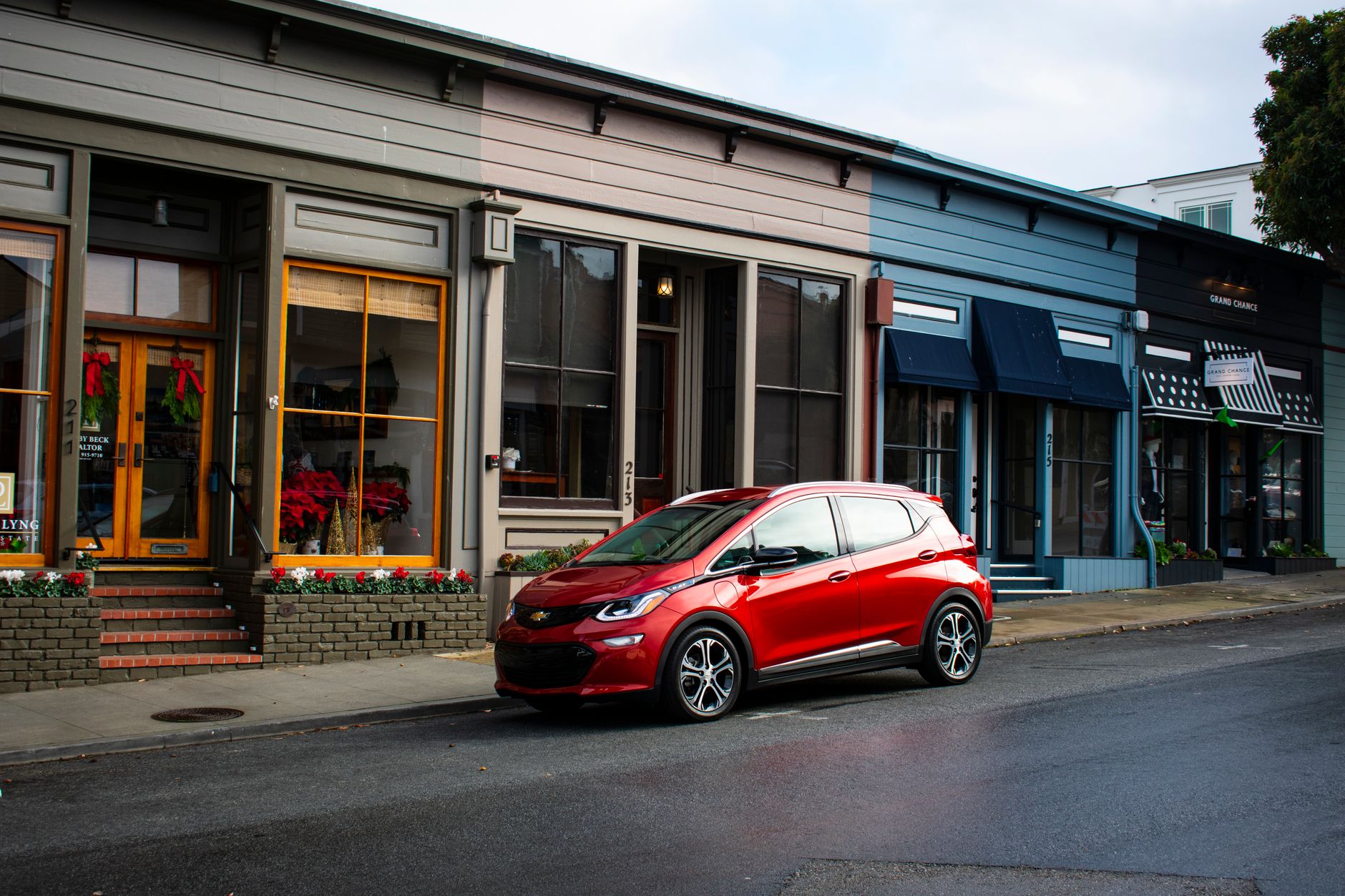
As automakers push the limits of EV utility and hybrid power, the American automotive landscape is transforming at an unprecedented pace.
The US auto market is experiencing a period of extreme contrast. Consumers and manufacturers are simultaneously navigating the practical realities of electric vehicle ownership, pushing the extreme boundaries of hybrid performance, and tracking the slow but highly anticipated arrival of autonomous driving. At the center of this transformation are legacy American brands like Chevrolet, whose latest offerings highlight the diverse demands of modern drivers—from heavy-duty utility to record-shattering speed.
The Practical Challenges of Electric Utility
The transition to electric vehicles in the United States is not just a technological shift; it is a profound logistical challenge. As automakers roll out electrified versions of popular work vehicles, consumers are discovering unexpected hurdles related to infrastructure and physical space. A prime example is the Chevrolet Silverado EV.
According to reporting from The Drive, the new electric pickup measures an imposing 19.4 feet in length. This substantial footprint introduces practical complications for everyday owners, most notably the inability to comfortably fit the vehicle inside a standard residential garage.
This physical limitation creates a cascading effect for home charging logistics. If a vehicle cannot park inside near a traditional wall-mounted charging station, owners are forced to seek alternative solutions. Rather than undertaking expensive electrical rewiring or driveway modifications, many drivers are turning to simpler fixes. The Drive highlighted an embarrassingly simple yet highly effective workaround: purchasing a specialized extension cord designed specifically for EV chargers. This allows owners to keep their heavy-duty electric trucks parked outside while still accessing necessary home charging infrastructure. It is a stark reminder that as vehicles evolve in size and power, the physical spaces they occupy must also adapt, often requiring creative localized solutions from consumers.
Battery Buffers and Range Realities
Beyond physical dimensions, the core anxiety surrounding electric vehicles remains battery performance, particularly as the state of charge nears zero. Automakers have recognized this consumer hesitation and are actively refining how their vehicles manage low-power scenarios. The Chevrolet Bolt, which has been massively improved for the 2026 model year, serves as a key case study in this ongoing development.
Recent evaluations conducted by InsideEVs explored exactly what happens when the new Chevy Bolt is driven until its battery dies completely. The primary focus of the test was the vehicle's "battery buffer" or reserve range. This buffer is a hidden safety net engineered into the battery management system that provides a final stretch of drivability even after the dashboard indicates a zero percent charge.
Understanding this reserve is critical for drivers navigating areas with sparse charging networks, as it represents the true absolute limit of the vehicle's operational range. By meticulously testing these parameters, automotive engineers and journalists are working to build consumer trust, ensuring that the transition to EVs includes predictable and transparent performance metrics, even under worst-case scenarios.
Pushing the Limits of Hybrid Performance
While electric utility vehicles dominate much of the current industry conversation, the pursuit of raw, unadulterated speed remains a driving force for legacy brands. However, the mechanics of high performance are undergoing their own radical transformation. The traditional internal combustion engine is increasingly being paired with electric motors to achieve unprecedented power outputs.
This hybrid approach to hyper-performance is perfectly encapsulated by the newly unveiled 2026 Chevy Corvette ZR1X. According to Car and Driver, this vehicle represents a historic milestone for American sports cars. The hybrid all-wheel-drive "super Vette" generates a staggering 1250 horsepower.
In their rigorous instrumented testing, Car and Driver reported that the ZR1X scorched its way into their record books by hitting 60 mph in under two seconds. This achievement makes it the quickest car the publication has ever tested. The seamless integration of all-wheel drive and hybrid electrification allows the ZR1X to translate its massive horsepower into immediate, track-gripping acceleration, proving that electrification is not solely about environmental efficiency—it is also the new frontier for world-class automotive performance.
The Complicated Race for Autonomous Mobility
As consumer vehicles become faster and more efficient, the broader transportation sector continues its complex, often turbulent march toward fully autonomous driving. The promise of self-driving robotaxis has captivated the technology and automotive sectors for years, but the reality on the ground remains deeply intricate.
According to a recent market update from InsideEVs, determining who is actually winning the "robotaxi race" is a highly complicated endeavor. Just as the industry seems to stabilize, new developments continually shake up the landscape. The publication noted a flurry of recent updates from major players across the mobility spectrum, including:
- Tesla
- Uber
- Waymo
- Wayve
- Lucid
These companies represent a diverse mix of traditional automakers, ride-hailing giants, and specialized technology startups. Each entity is employing distinctly different strategies, sensor suites, and regulatory approaches to crack the autonomous code. The constant shifting of strategic alliances, sudden technological breakthroughs, and corporate pivots underscores that the deployment of driverless fleets across the United States will be a marathon characterized by ongoing volatility rather than a straightforward sprint to the finish line.
Classic Car Culture and Local Pride
Despite the relentless push toward futuristic technology, the American automotive market remains deeply rooted in nostalgia, classic car culture, and local pride. The enthusiast community continues to thrive online and in garages across the country, where vintage vehicles are celebrated not for their digital features, but for their mechanical purity, historical significance, and aesthetic appeal.
Automotive outlet Jalopnik recently highlighted this enduring passion by curating a list of the "dopest cars" currently for sale online. The collection included an eclectic mix of vintage and enthusiast machines, such as a classic Volkswagen Dune Buggy, a pristine Chevy Nova, and a Harley-Davidson Breakout 114 motorcycle.
Interestingly, the curation was driven by a highly specific, culturally resonant theme: every vehicle featured was painted blue and orange. This distinct color scheme was chosen in honor of the New York Knicks, who recently secured their first NBA championship in 53 years. This intersection of sports history and automotive curation highlights how cars remain a dynamic canvas for personal expression and communal celebration. Whether it is a futuristic 1250-horsepower hybrid breaking track records or a vintage Chevy Nova painted in local team colors, vehicles continue to hold a central, celebrated place in the cultural fabric of the United States.
Key Takeaways
- The 19.4-foot length of the Chevy Silverado EV highlights ongoing infrastructure challenges, prompting owners to rely on solutions like EV charger extension cords.
- Car and Driver recently recorded a sub-two-second 0-60 mph time for the 1250-HP hybrid Chevy Corvette ZR1X, making it the quickest car they have ever tested.
- The 2026 Chevy Bolt features a massively improved design, with recent tests focusing on its battery buffer to determine true reserve range.
- The competitive robotaxi market remains highly complicated, driven by continuous updates from companies like Tesla, Uber, Waymo, Wayve, and Lucid.
- Classic car culture remains strong in the US, recently highlighted by a Jalopnik collection of blue and orange vehicles celebrating the Knicks' first NBA championship in 53 years.
Frequently asked questions
How fast is the 2026 Chevy Corvette ZR1X?
According to Car and Driver, the 1250-horsepower hybrid all-wheel-drive Chevy Corvette ZR1X can accelerate from 0 to 60 mph in under two seconds, making it the quickest car the outlet has ever tested.
Why do some EV owners need a charger extension cord?
Larger electric vehicles, such as the 19.4-foot Chevy Silverado EV, may be too long to fit into standard residential garages. An EV charger extension cord allows owners to park in the driveway while still utilizing their home charging equipment.
What is an EV battery buffer?
A battery buffer is a reserve amount of power engineered into an electric vehicle's battery management system. It provides a final stretch of driving range even after the vehicle's dashboard indicates a zero percent state of charge.
Which companies are competing in the robotaxi market?
The autonomous robotaxi market is highly competitive and complex, with recent developments coming from a mix of automakers and tech companies including Tesla, Uber, Waymo, Wayve, and Lucid.
- 01InsideEVs: The New Chevy Bolt Was Driven Until It Died. Here’s What Its Battery Buffer Looks Like
- 02Car and Driver: 1250-HP Chevy Corvette ZR1X Is Now the Quickest Car We’ve Ever Tested
- 03The Drive: Turns Out You Can Buy an Extension Cord for Your EV Charger
- 04Jalopnik: Volkswagen Dune Buggy, Chevy Nova, Harley-Davidson Breakout 114: The Dopest Cars I Found For Sale Online
This editorial article was written by US News Desk's editorial desk using current reporting from the publishers above. All facts were grounded against these sources.