Shifting Gears: How Emissions Mandates and Heritage Are Reshaping Car Culture
*From looming emissions deadlines at theme parks to the electrification of heritage sports cars, the automotive sector is navigating a rapidly evolving landscape.*
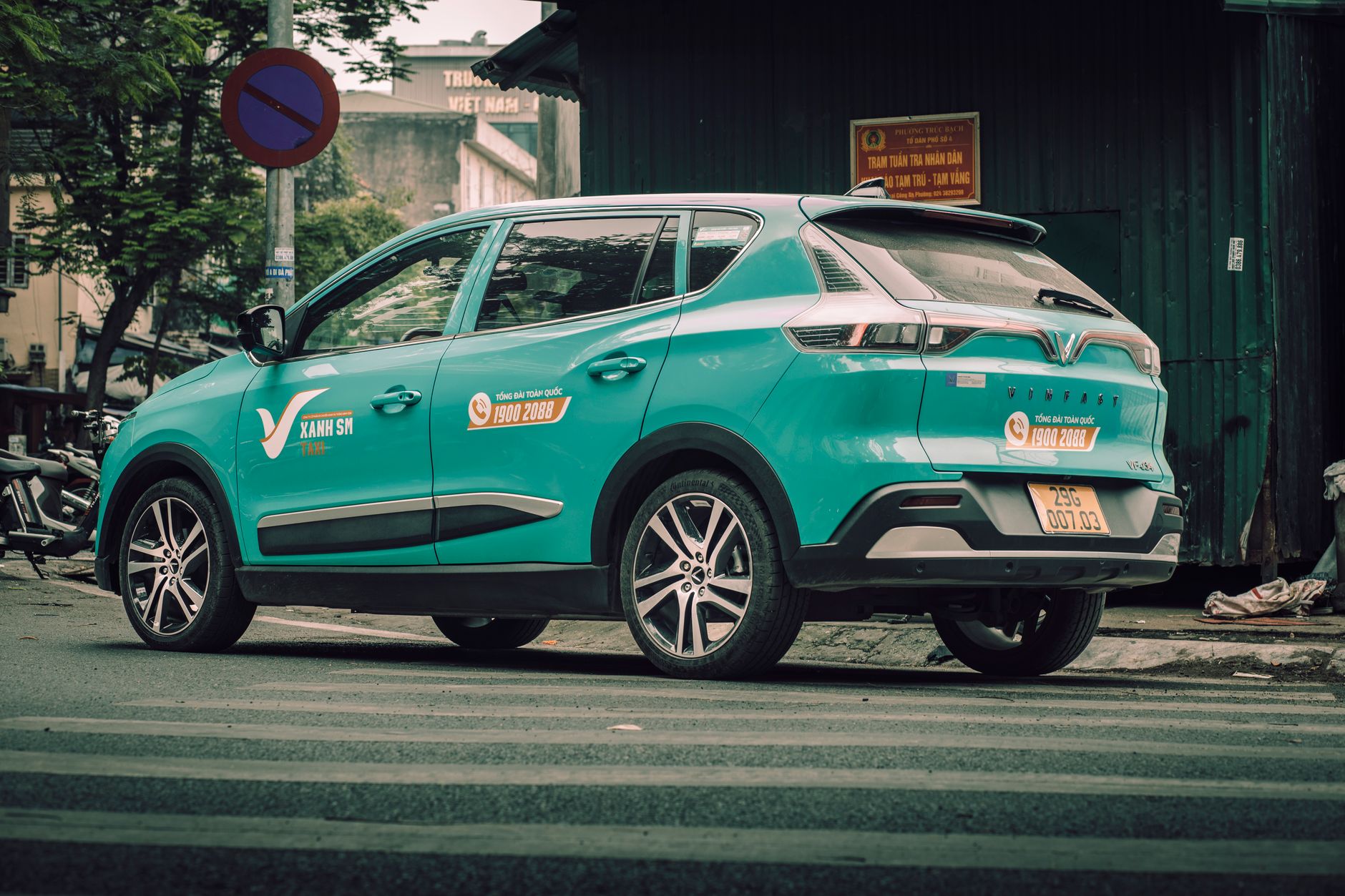
The automotive industry is currently experiencing one of the most profound transitional periods in its history. While global market entrants and shifting consumer demands frequently dominate the headlines, the ripple effects of electrification and strict emissions standards are transforming every corner of vehicle culture. Recent reporting reveals how these industry-wide shifts are impacting everything from beloved amusement park rides to the highest echelons of heritage automotive design, proving that the move away from traditional internal combustion engines is both far-reaching and complex.
To understand the current state of the automotive market, it is essential to examine how established legacy brands and cultural touchstones are adapting. From California's stringent environmental mandates forcing the hand of entertainment giants to European sports car manufacturers rethinking their iconic platforms, the push for cleaner, more efficient vehicles is leaving no stone unturned.
The Unlikely Frontlines of Emissions Standards
The push for reduced emissions is no longer confined to highway vehicles and commercial fleets. In a striking example of how deeply environmental regulations are permeating everyday culture, even nostalgic theme park attractions are facing regulatory ultimatums.
According to reporting by Jalopnik, California is enforcing the potential closure of Disneyland's famous Autopia ride unless the attraction cleans up its emissions by February. The miniature cars have long been a staple of the park, historically relying on traditional gas-powered engines that emit noticeable exhaust fumes. Jalopnik notes that Disneyland had previously announced in 2024 that it would convert the Autopia fleet from gas to electricity. However, the transition has reportedly stalled, and Jalopnik highlights that a scandal lay behind the initial conversion plan.
This localized dispute over a theme park ride serves as a microcosm for the broader automotive industry. It underscores the reality that environmental mandates are becoming increasingly uncompromising, forcing even institutional fixtures to abandon fossil fuels or face permanent closure.
Pursuing Efficiency Without Sacrificing Dynamics
As manufacturers transition their fleets to meet modern efficiency standards, they face the historical challenge of overcoming consumer skepticism regarding the driving experience. For decades, highly efficient vehicles were often viewed as practical but uninspiring.
The Toyota Prius has long been at the center of this debate. Autocar recently explored this evolution by pitting a slick, newly redesigned Toyota Prius against a legacy 300,000-mile Mk3 model. The older vehicle, described as a leggy ex-taxi, serves as a testament to the sheer durability and utilitarian nature of Toyota's early hybrid hatchbacks.
However, the legacy of early hybrids often carried a stigma among automotive enthusiasts. Autocar highlighted this sentiment with an anecdote from a reviewer whose wife drove the publication's Prius while their personal BMW Z4 was in the shop. Her succinct, three-word review of the older hybrid was simply: "Super-boring car."
The stark contrast between the high-mileage Mk3 and the dynamic new Prius illustrates exactly how far automakers have come in their pursuit of efficiency. Modern hybrids and electric vehicles are no longer being engineered solely for fuel economy; they are being aggressively designed to shed the "super-boring" reputation and offer genuine driving dynamics.
Electrifying the Enthusiast Market
The effort to blend zero-emissions technology with high-performance driving is further evidenced by legacy sports car brands entering the electric arena. Manufacturers are keenly aware that to survive the current regulatory climate, they must adapt their most iconic enthusiast platforms to electric powertrains.
According to Autocar, this shift will soon be on display in prototype form. The next-generation Alpine A110 is slated to make its debut as a fully electric vehicle. This highly anticipated transition will see the electric Alpine A110 make its first public outing at the renowned Goodwood Festival of Speed.
Autocar reports that a test mule for this crucial next-generation A110 will be showcased as part of what is being billed as a significant "Alpine moment." The electrification of a lightweight, handling-focused sports car like the A110 represents a major milestone for the industry, signaling that the future of enthusiast driving will inevitably be battery-powered.
Historical Precedents and Enduring Design
While the current pivot toward electrification feels unprecedented, the automotive industry has historically been shaped by sudden regulatory shifts and abrupt corporate mandates. Understanding these past disruptions provides valuable context for today's market transformations.
For instance, the US automotive sector experienced a massive overnight disruption in the mid-20th century. During the 1950s, American automakers operated heavily on the famous philosophy of "win on Sunday, sell on Monday." Factory racing teams were massive marketing tools, used to prove the durability and speed of consumer vehicles. However, Jalopnik reports that this era came to a sudden halt due to the 1957 racing ban. Automakers abruptly announced they were entirely done with factory-backed racing, effectively killing American factory race teams overnight. This historic pivot demonstrates how rapidly automakers can abandon deeply entrenched strategies when faced with mounting industry pressures.
Yet, even as internal strategies and powertrains undergo massive overhauls, the enduring importance of automotive design remains constant. Certain vehicles leave a permanent mark on the industry regardless of the technology under the hood. Road & Track recently underscored this by presenting a detailed photographic collection of the historic Citroën DS. The gallery offers a visual deep dive into the French automobile, noting that its unique, aerodynamic design remains iconic decades after its introduction.
Ultimately, whether examining a sudden 1957 racing ban, the unique mid-century styling of a Citroën, or the impending electrification of a classic Disneyland ride, the automotive landscape is defined by constant reinvention. As the industry marches toward a zero-emissions future, manufacturers will continue to balance the strict demands of modern efficiency with the rich, historic heritage of car culture.
Key Takeaways
- California's strict emissions mandates are extending beyond highway vehicles, threatening the closure of Disneyland's gas-powered Autopia ride by February if it is not converted to electric.
- The evolution of hybrid and electric vehicles, such as the slick new Toyota Prius and the upcoming electric Alpine A110, shows automakers aggressively pivoting to combine efficiency with driving dynamics.
- Sudden automotive industry pivots are not historically unique; the famous 1957 racing ban abruptly ended the popular 'win on Sunday, sell on Monday' factory racing era in the United States.
Frequently asked questions
Why is Disneyland's Autopia ride facing closure?
According to Jalopnik, California is enforcing the closure of the attraction unless it cleans up its gas-powered emissions by February. Disneyland had previously stated in 2024 that it intended to convert the ride to electricity.
Where will the new electric Alpine A110 debut?
Autocar reports that the next-generation electric Alpine A110 will make its first public outing in prototype form at the Goodwood Festival of Speed.
What was the 1957 racing ban?
As reported by Jalopnik, the 1957 racing ban was an abrupt industry shift where US automakers suddenly ended their factory race teams, abandoning the popular 'win on Sunday, sell on Monday' marketing strategy overnight.
- 01Autocar: Electric Alpine A110 to make first outing at Goodwood FoS
- 02Road & Track: See More Photo of the Citroën DS
- 03Jalopnik: How The 1957 Racing Ban Killed American Factory Race Teams Overnight
This editorial article was written by US News Desk's editorial desk using current reporting from the publishers above. All facts were grounded against these sources.