Shifting Gears: From 1950s Factory Racing to the Electric Mandates of Tomorrow
*As emissions standards force everything from sports cars to amusement park rides to go electric, the auto industry navigates a profound historical shift.*
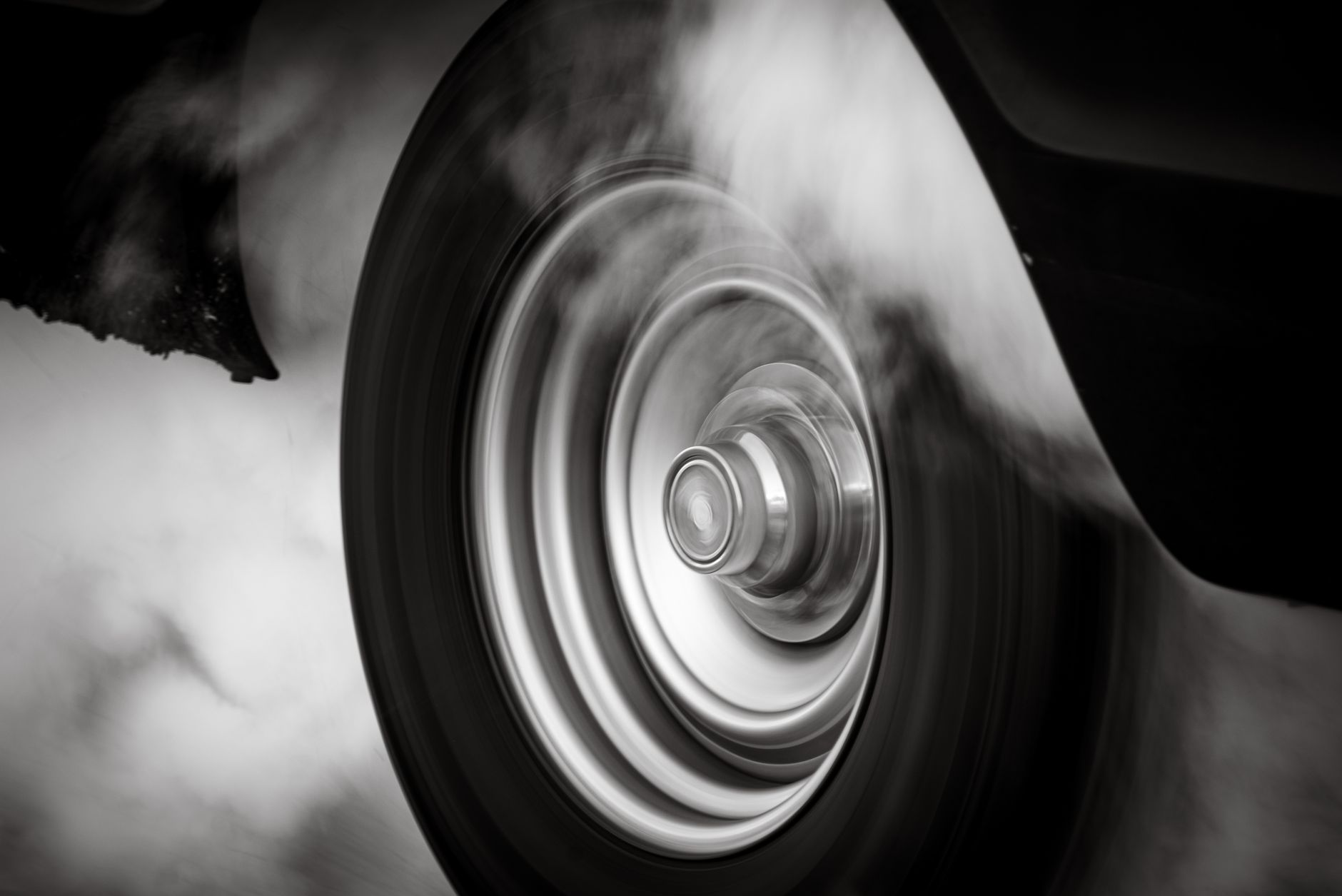
As emissions standards force everything from sports cars to amusement park rides to go electric, the auto industry navigates a profound historical shift.
The Shifting Definition of Automotive Progress
For more than a century, the story of the automobile has been a story of continuous reinvention. From the post-war boom of American factory racing to the meticulous engineering of modern hybrid engines, the criteria by which society judges a successful vehicle have changed dramatically. Today, the global automotive landscape is at a critical juncture. Regulatory pressures, evolving consumer tastes, and advancements in electric vehicle technology are forcing manufacturers to rethink their identities.
By examining key moments across automotive history, we can trace the complex journey of the modern vehicle. This evolution is not just about replacing gas tanks with battery packs; it is about fundamentally altering the relationship between the driver, the machine, and the environment. To understand this transition, one must look at several key pillars of automotive culture:
- The historical influence of manufacturer-backed motorsport.
- The aesthetic legacy of classic European vehicle design.
- The decades-long pursuit of hybrid efficiency.
- The modern regulatory push forcing both public roads and private amusement parks to embrace zero-emission standards.
The End of an Era in American Factory Racing
Automotive culture in the United States has historically been defined by performance, competition, and the roar of internal combustion engines. According to reporting from Jalopnik, U.S. automakers in the 1950s fully embraced the philosophy of "win on Sunday, sell on Monday." This aggressive approach tied weekend racetrack victories directly to showroom sales, building immense brand loyalty through high-speed competition.
However, this golden era of manufacturer-backed motorsport came to an unexpected halt with the 1957 racing ban. Automakers abruptly announced they were done with racing, suddenly terminating American factory race teams overnight. The sheer impact of the 1957 ban forced a total recalibration of automotive marketing. Without the racetrack to directly prove their mettle and durability, automakers had to find other ways to captivate the American public, setting the stage for future industry battles over design and technological innovation.
Classic Designs and the Shift Toward Hybrid Efficiency
In contrast to the raw track power of American racing, European automakers often leaned heavily into avant-garde aesthetics. Road & Track highlights the enduring legacy of the historic French automobile, the Citroën DS, noting its uniquely iconic design. This focus on distinctive visual identity eventually had to share the global stage with a new, pressing priority: fuel efficiency.
The pursuit of efficiency has completely transformed modern vehicle dynamics. Autocar recently examined this evolution by comparing a slick, new Toyota Prius against a 300,000-mile Mk3 version that had previously served as a taxi. This "leggy ex-taxi" serves as a benchmark to demonstrate just how far Toyota's hybrid hatchback has progressed in its relentless pursuit of both efficiency and dynamics.
Despite these slick advancements, the utilitarian nature of the Prius remains a point of debate among traditional driving enthusiasts. In fact, when an Autocar reviewer's wife drove the new Prius while her BMW Z4 was in the shop, she offered a succinct, three-word review: it was a "super-boring car." This amusing anecdote highlights the ongoing tension between practical, eco-friendly transportation and the visceral thrill of traditional sports cars.
Electrification Mandates Reach Theme Parks
The push to clean up vehicle emissions has now expanded far beyond public highways and dealership showrooms, reaching deep into the realm of family entertainment. According to Jalopnik, the state of California is stepping in to enforce environmental standards on one of the most famous amusement park attractions in the world: Disneyland's Autopia.
The iconic ride, which allows children to pilot small gas-powered cars along a guided track, is facing a mandated closure. California is forcing the shutdown of Autopia unless it cleans up its emissions by February 2027. Disneyland had previously stated in 2024 that it planned to convert the Autopia fleet from gas to electricity. However, the transition has not yet materialized—"no dice" so far, as Jalopnik reports—and it turns out that a scandal actually lay behind the original conversion plan. The fact that a localized theme park ride is facing the same regulatory pressures as major global automakers underscores the uncompromising nature of modern environmental mandates.
The Future of High-Performance EVs
As internal combustion engines face increasing scrutiny across all sectors, the performance market is adapting by embracing electric power. This transition is fundamentally reshaping the global sports car industry. According to Autocar, the crucial next-generation Alpine A110 is making the leap to electric propulsion.
Automotive enthusiasts will get their first look at this new vehicle in prototype form very soon. The electric Alpine A110 test mule is scheduled to make its debut as part of a dedicated "Alpine moment" at the upcoming Goodwood Festival of Speed. By choosing one of the world's premier automotive events to showcase an electric sports car, manufacturers are signaling that the future of high-performance driving will undoubtedly be battery-powered, finally bridging the gap between historical racing thrills and modern environmental responsibility.
Key Takeaways
- In 1957, American automakers abruptly ended factory racing, killing the 'win on Sunday, sell on Monday' era overnight.
- California is mandating that Disneyland's Autopia ride clean up its emissions by February 2027 or face closure.
- Toyota's Prius has evolved significantly from its utilitarian taxi roots into a slick new hybrid, though some enthusiasts still find it 'super-boring' compared to traditional sports cars.
- High-performance brands are embracing electrification, with Alpine set to debut its electric A110 prototype at the Goodwood Festival of Speed.
Frequently asked questions
Why did American factory racing teams disappear in the 1950s?
According to Jalopnik, a 1957 racing ban led American automakers to abruptly announce they were done with racing, suddenly ending an era defined by the 'win on Sunday, sell on Monday' philosophy.
Is Disneyland closing the Autopia ride?
California is forcing the closure of Autopia by February 2027 unless it cleans up its gas emissions. While Disneyland announced a plan to convert the cars to electric in 2024, the transition has stalled amid reports of a scandal.
Will the Alpine A110 become an electric vehicle?
Yes. Autocar reports that the crucial next-generation Alpine A110 will be electric, with a test mule prototype making its first outing at the Goodwood Festival of Speed.
- 01Autocar: Electric Alpine A110 to make first outing at Goodwood FoS
- 02Road & Track: See More Photo of the Citroën DS
- 03Jalopnik: How The 1957 Racing Ban Killed American Factory Race Teams Overnight
This editorial article was written by US News Desk's editorial desk using current reporting from the publishers above. All facts were grounded against these sources.