The Quality Divide: Nissan Faces US Manufacturing and Corporate Hurdles
Recent admissions regarding American-made vehicle quality and ongoing boardroom turbulence highlight the complex challenges facing Nissan.
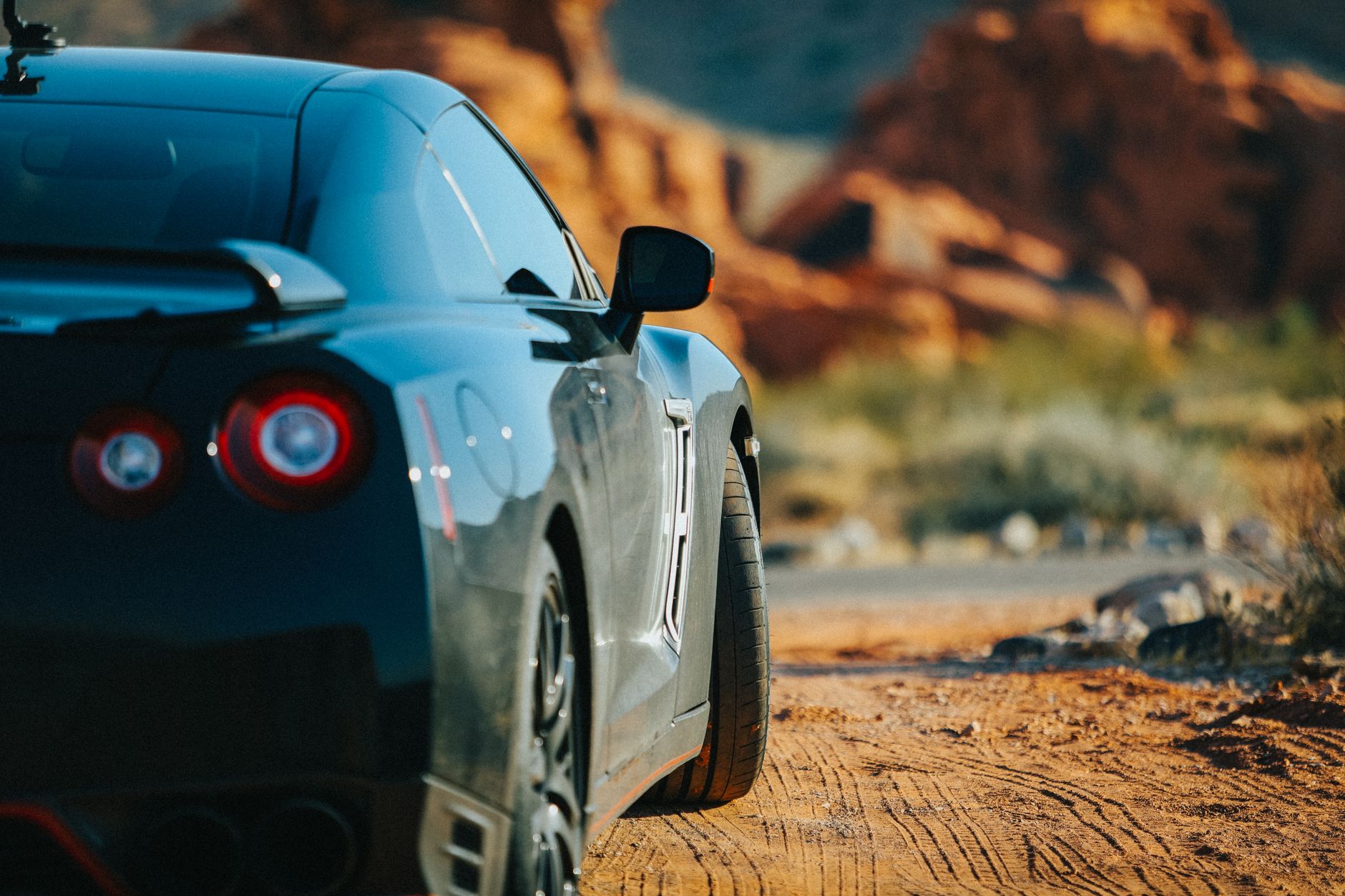
Recent admissions regarding the quality of American-made vehicles and ongoing boardroom turbulence highlight the complex challenges facing Nissan.
The Transcontinental Quality Divide
The automotive landscape in the United States is deeply intertwined with Japanese manufacturing powerhouses. However, recent developments suggest that companies like Nissan are navigating a complex intersection of corporate instability and manufacturing quality concerns. As consumers evaluate American-made models from these legacy brands, a candid look at the internal and external pressures facing Nissan reveals a uniquely challenging environment.
While buyers typically associate Japanese automakers with stringent quality control and reliability, recent admissions from corporate leadership have complicated this narrative. One of the most significant recent revelations concerns the manufacturing standards of vehicles built in the United States compared to those manufactured domestically in Japan. According to reporting from Motor1, both Toyota and Nissan have formally admitted that their American-made vehicles are not currently up to Japanese standards.
This admission sheds light on a persistent gap in global manufacturing execution. Japanese buyers, according to the report, are not accustomed to purchasing new cars that exhibit minor cosmetic or structural flaws. Specifically, the discrepancies highlighted in the American-made units include:
- Instances of noticeably thin paint application on exterior surfaces.
- Visible panel gaps where body sections do not perfectly align.
- Leftover residue from the manufacturing or assembly process remaining on the final product.
For the American consumer, these details are highly relevant. Many of the most popular vehicles sold by Nissan in the United States are assembled in North American plants. The acknowledgement that these facilities are producing vehicles with a higher tolerance for visual and assembly imperfections—imperfections that would be strictly unacceptable in the domestic Japanese market—raises important questions about quality parity. A vehicle leaving an American assembly line might meet local standards, but it fundamentally differs from the exactingly assembled products that originally built the brand's global reputation for flawless fit and finish.
Corporate Turbulence and Leadership Shadows
Manufacturing challenges rarely exist in a vacuum; they are often a reflection of broader corporate health and leadership focus. For Nissan, executive stability remains a highly visible issue. During a recent meeting with Nissan's current chief executive officer, a shareholder unexpectedly suggested re-appointing former boss Carlos Ghosn to the CEO role, according to coverage by Road & Track.
This suggestion is remarkable given the dramatic and highly publicized conclusion to Ghosn's previous tenure. The former Nissan boss famously escaped Japanese custody in late 2019. In an evasion that captured international attention, Ghosn was allegedly smuggled out of a hotel hidden inside a case. The fact that a shareholder would publicly float the idea of reinstating a controversial figure who fled the country's justice system underscores a profound level of frustration with the company's current trajectory.
In a boardroom environment typically defined by rigid adherence to protocol and steady financial forecasting, the specter of a former executive who fled international authorities adds an undeniable layer of chaos. When stakeholders begin looking to a disgraced former executive for salvation, it signals an internal crisis of confidence. This kind of boardroom distraction can inevitably trickle down to operational levels, potentially impacting everything from long-term strategic planning to the rigorous oversight required on factory floors across the globe.
The Impact on Consumer Expectations
The automotive market operates heavily on brand perception. For decades, Japanese automakers capitalized on a reputation for precision engineering. The recent admissions regarding manufacturing disparities disrupt this long-standing narrative, particularly for consumers who assume that a corporate badge guarantees identical global quality.
The distinction between mechanical reliability and cosmetic perfection is crucial here. While a vehicle might start every morning without fail, the visual presence of panel gaps subtly degrades the ownership experience. In the highly competitive US market, where buyers spend tens of thousands of dollars on new vehicles, the expectation for flawless delivery is growing.
When Japanese buyers reject cars over thin paint or leftover factory residue, they are enforcing a standard that ultimately benefits the consumer. The admission that these standards are relaxed for American-made models forces US buyers to recalibrate their expectations. It highlights a dual-tier system where geographical assembly dictates the final fit and finish of the product. This geographical disparity is precisely what automakers must resolve to maintain their competitive edge in North America.
Looking Forward in a Competitive Market
As the automotive industry continues to evolve, the pressure on companies like Nissan to harmonize their global manufacturing standards will only increase. Bridging the gap between the meticulous expectations of Japanese buyers and the current output of American factories is a necessary step for maintaining brand prestige.
Furthermore, the company must find a way to project stability from the top down. As long as shareholder meetings are punctuated by calls to reinstate fugitives like Carlos Ghosn, Nissan will struggle to present a unified, forward-looking vision to the market. Consumers and investors alike look for steady hands at the wheel, especially when navigating transitions in manufacturing standards and global supply chains.
Ultimately, the transparency regarding manufacturing discrepancies is a positive first step. Acknowledging that American-made vehicles have room for improvement in fit and finish allows the company to target specific areas—like paint application, panel alignment, and final detailing—for operational upgrades. How Nissan addresses these physical manufacturing challenges, while simultaneously navigating its ongoing corporate identity crisis, will heavily define its success and consumer trust in the US market in the coming years.
Key Takeaways
- Toyota and Nissan have admitted that their American-made vehicles do not meet the strict quality standards expected by domestic Japanese buyers.
- Common manufacturing issues in these US-built models include thin paint, visible panel gaps, and leftover factory residue.
- Nissan continues to face executive instability, highlighted by a shareholder recently suggesting the reappointment of fugitive former CEO Carlos Ghosn.
Frequently asked questions
Are American-made Nissan vehicles lower quality than Japanese ones?
According to recent admissions by automakers like Toyota and Nissan, vehicles built in America are not up to the meticulous standards of the Japanese domestic market, often suffering from minor cosmetic and assembly flaws.
What specific manufacturing defects have been identified in these American-made cars?
Automakers have cited issues such as thin paint application, uneven panel gaps, and leftover residue from the assembly process.
Why is Carlos Ghosn back in the news regarding Nissan?
During a recent meeting with Nissan's current CEO, a shareholder unexpectedly suggested re-appointing Carlos Ghosn to the position, despite Ghosn having famously escaped Japanese custody in late 2019.
- 01Road & Track: Nissan Shareholder Suggests to Re-Appoint Carlos Ghosn As CEO During Meeting With Current CEO
- 02Motor1: Toyota And Nissan Admit Their American-Made Vehicles Aren't Up To Japanese Standards
- 03The Verge: Electric air taxis are stuck in the courtroom
- 049to5Mac: John Ternus set to re-establish importance of Apple’s design team when he takes over as CEO: report
- 05TechCrunch: TechCrunch Mobility: A new robotaxi scorecard shows China’s dominance
This editorial article was written by US News Desk's editorial desk using current reporting from the publishers above. All facts were grounded against these sources.