Automaker Allocations and Regulatory Hurdles Reshape the Auto Market
*From Ferrari's electric shift to dealership allocation disputes, automakers and buyers face a complex landscape in 2026.*
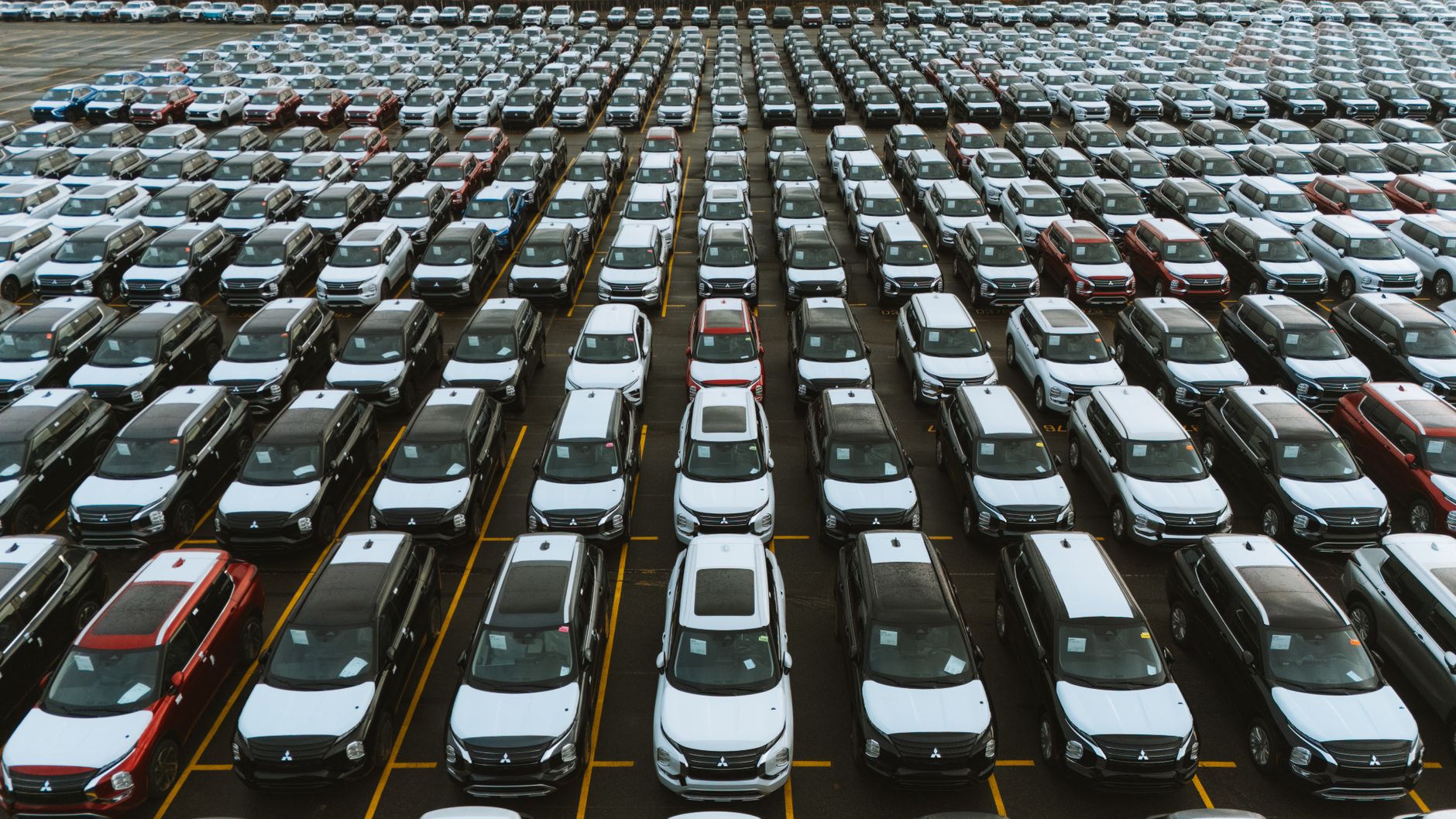
From Ferrari's electric shift to complex dealership allocation systems, buyers and sellers are navigating an increasingly rigid automotive market.
The Dealership Allocation Battle
In the United States, the traditional franchise dealership model creates a complex relationship between automakers and local sellers. Manufacturers dictate not only the types of vehicles a dealership receives but also the strict sales targets they must hit to earn future inventory. Recent reporting highlights how these opaque allocation algorithms can penalize dealerships that appear, by all traditional metrics, to be highly successful.
According to a report from The Drive, Sun GMC managed to sell an impressive 99 percent of its allocated inventory in 2024. Despite moving nearly every vehicle on its lot, General Motors still classified the dealership's performance as a failure. Because the local seller did not meet specific internal volume targets mandated by the corporate office, GM penalized Sun GMC by sending them fewer than half the vehicles they needed to hit their subsequent goals.
This dynamic illustrates a broader disconnect in the automotive supply chain. Dealerships operate in physical, localized markets where consumer demand dictates what can realistically be sold. Automakers, conversely, rely on national sales algorithms and corporate quotas. When manufacturers withhold stock from a dealership that has successfully moved 99 percent of its inventory, it limits consumer choice in that local market and forces buyers to either travel out of state or settle for a different brand entirely.
High-End Exclusivity and the EV Transition
The allocation battle is not limited to mainstream consumer trucks and SUVs; it is arguably even more intense in the ultra-luxury segment. For decades, elite automakers have utilized strict allocation systems to determine which loyal customers are permitted to purchase their most exclusive, limited-production vehicles.
As the industry transitions toward electrification, these VIP purchasing ecosystems are being tested. According to reporting from InsideEVs, Ferrari is preparing to launch its first fully electric vehicle, known as the Luce. An electric Ferrari presents a controversial shift for a brand built on the legacy, sound, and visceral emotion of internal combustion engines. Many traditional collectors have expressed skepticism about adding a silent electric supercar to their garages.
However, the realities of the Italian automaker's allocation game mean that loyal buyers may not have the luxury of skipping the Luce. InsideEVs notes that collectors who decline to purchase the new EV could risk their standing with the manufacturer. Turning down a vehicle often makes a buyer's next "dream allocation" significantly more difficult to secure. To maintain their priority status for future limited-run hypercars, wealthy collectors may be forced to purchase the controversial electric model, effectively guaranteeing sales for Ferrari's EV debut regardless of organic demand.
Legislative Uncertainty Halts Fleet Electrification
While ultra-wealthy collectors navigate allocations to secure supercars, corporate fleet operators face an entirely different set of hurdles regarding the electric transition. Commercial fleets—ranging from corporate leasing programs to local delivery services—make up a massive percentage of new vehicle purchases globally. Their adoption of electric vehicles is considered crucial for broader infrastructure development and emissions reductions.
Yet, enthusiasm among these large-scale buyers is actively cooling. A recent survey highlighted by Autocar reveals that legislative uncertainty is severely harming fleet plans to transition to electric vehicles. Fleet managers rely on predictable regulations, stable tax incentives, and clear long-term infrastructure policies to calculate depreciation and total cost of ownership over a multi-year lifecycle.
Because governmental regulations surrounding emissions mandates and subsidies remain unclear and subject to sudden changes, fleet operators are stepping back from the financial risk of full electrification. According to Autocar, operators are now looking back toward traditional alternatives, including:
- Conventional petrol vehicles
- Diesel-powered fleets
- Hybrid options that bridge the gap without reliance on charging infrastructure
For the everyday consumer, this corporate hesitation means fewer used electric vehicles will eventually trickle down into the secondhand market, potentially slowing the overall pace of electric adoption.
Navigating Rebadged Cars and Video Reviews
Beyond supply chains and regulatory frameworks, everyday vehicle buyers face an increasingly confusing retail landscape. Automakers frequently attempt to maximize profitability by sharing underlying chassis platforms and drivetrains across multiple brands.
According to Autocar, car makers have confused buyers for decades by offering models with an array of different identities. This practice of "badge engineering" results in:
- Identical models sold under entirely different brand names
- Confused buyers cross-shopping the same mechanical vehicle
- A lack of transparency regarding shared corporate platforms
To navigate this marketing maze, consumers are shifting how they research automotive purchases. While written journalism remains highly valuable—particularly for understanding complex pricing structures, long-term reliability metrics, and technical specifications—buyers are increasingly relying on video formats.
Jalopnik points out that because cars are inherently physical objects that buyers need to look at with their eyes, YouTube car reviewers have become a dominant force in consumer research. Video content allows potential buyers to visually inspect the physical differences between rebadged cars, analyze interior space, and witness real-world driving dynamics before setting foot in a dealership. As the automotive market continues to grow more complex with controversial EV transitions, opaque dealership allocations, and identical cars hiding behind different badges, consumers will likely continue to lean heavily on visual media to cut through the industry's noise.
Key Takeaways
- General Motors penalized a dealership that sold 99% of its 2024 inventory for failing to meet internal volume targets.
- Ferrari's first EV, the Luce, may force hesitant collectors into purchasing it just to secure future limited-edition allocations.
- Unclear emissions and tax regulations are pushing large-scale fleet operators away from EVs and back toward hybrid, petrol, and diesel vehicles.
- Automakers continue to confuse consumers by selling identical vehicles under different brand names, driving buyers toward YouTube video reviews for clarity.
Frequently asked questions
Why would an automaker penalize a dealership that sells most of its cars?
Automakers often rely on rigid, predetermined sales algorithms and volume quotas. If a dealership sells out of its existing stock but fails to hit a corporate-mandated volume target, the manufacturer may classify the performance as a failure and reduce future allocations.
What is the Ferrari Luce?
The Ferrari Luce is the Italian automaker's first fully electric vehicle. It has sparked controversy among traditional collectors who prefer internal combustion engines, though many may buy it to remain in good standing for future exclusive models.
Why are commercial fleets delaying their transition to electric vehicles?
According to recent surveys, legislative uncertainty and unclear regulations make it difficult for fleet managers to accurately forecast depreciation and operating costs, leading them to revert to hybrid, petrol, and diesel vehicles.
- 01InsideEVs: Skipping The Ferrari Luce Could Cost Collectors The Cars They Really Want
- 02Jalopnik: Who's Your Favorite Car Reviewer On YouTube?
- 03The Drive: A GMC Dealer Sold 99% of Its Cars. GM Still Calls It a Failure and Won’t Send More
- 04Autocar: Legislative uncertainty harming fleet plans to go EV
This editorial article was written by US News Desk's editorial desk using current reporting from the publishers above. All facts were grounded against these sources.