From Petrol Swansongs to Electric Limousines: The Shifting Automotive Landscape
As the industry pivots to electric power, the contrast between the final petrol hot hatches and new luxury EV minivans has never been starker.
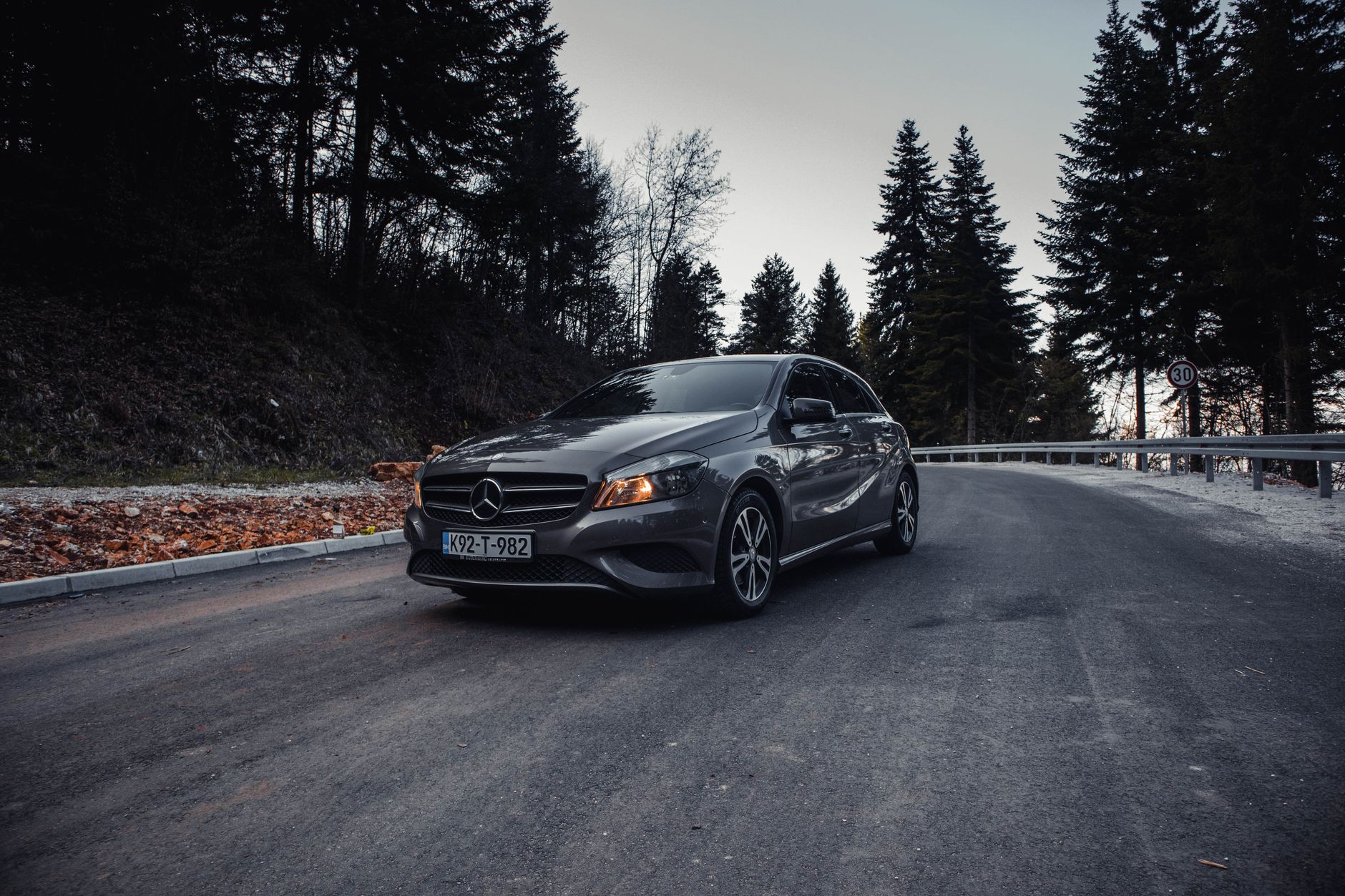
As the industry pivots to electric power, the contrast between the final petrol hot hatches and new luxury EV minivans has never been starker.
The Crossroads of Modern Motoring
The automotive industry is currently navigating one of the most significant transitional periods in its history. Drivers, fleet operators, and manufacturers alike find themselves caught between celebrating the final iterations of traditional internal combustion engines and embracing the high-tech, battery-powered future of passenger transportation. Recent reporting from the automotive press highlights this stark duality, contrasting the tactile, driver-focused joy of petrol-powered compact cars with the passenger-centric, ultra-luxurious innovations defining the newest electric vehicles.
At one end of the spectrum, legacy automakers are carefully refining their traditional vehicles to serve enthusiasts looking for analogue engagement. At the other end, massive investments in electric architectures are producing mobile lounges that prioritize screens, spatial audio, and passenger comfort above all else.
The Swansong of the Petrol Hot Hatch
For decades, the petrol-powered hot hatch has been a staple of automotive enthusiasm, offering accessible performance and practical dimensions in a single package. According to Autocar, the modern Mini John Cooper Works (JCW) represents a brilliant swansong for this beloved category. Described explicitly as the last of its breed, the petrol-powered JCW is noted by reviewers for being hilariously good fun to drive on modern roads.
The historical significance of this vehicle is underscored by its recent recognition within the collector and enthusiast community. Autocar, working in association with Classic & Sports Car magazine, awarded the vehicle their Future Classic accolade. While the reviewers noted that it might have been tempting to select a rare-groove luxury car or a revered Italian performance machine for such an honor, the petrol JCW stood out as an undeniable shoo-in.
This highlights a broader market sentiment: as electric vehicles become the dominant norm across the industry, there is a profound, lingering appreciation for the mechanical engagement and heritage of traditional petrol hot hatches before they are phased out entirely.
Modernizing the Classic Mini
Even as the Mini brand prepares for an inevitable electric future, its current petrol lineup continues to undergo significant modernization to keep pace with contemporary consumer demands. In a long-term review covering a rigorous 6,000-mile test, Autocar examined whether the new standard petrol Mini Cooper still merits its historic nameplate.
The vehicle has been updated with a variety of modern design cues that attempt to blend classic proportions with digital-age aesthetics. Key updates identified in the long-term test include:
- Subtly updated bodywork that refreshes the exterior profile while maintaining the brand's iconic silhouette.
- A funky knitted dashboard that adds a unique, modern textural element to the otherwise traditional cabin.
- A massive circular touchscreen that dominates the center console, merging advanced infotainment capabilities with the brand's signature quirky design language.
Reviewers questioned whether stripping away these modern additions—such as peeling back the subtly updated bodywork or disconnecting the massive touchscreen—would leave a vehicle that still feels fundamentally like a classic Mini. This tension between heritage and modernization illustrates the challenges automakers face in updating legacy models for a digitized consumer base, even when retaining a traditional internal combustion engine.
The Electric Redefinition of the Minivan
While compact cars are wrestling with their petrol-powered legacy, larger utility vehicles are being completely reimagined through the lens of electrification. Historically, the minivan has been viewed primarily as a utilitarian family hauler, often carrying a stigma that repelled luxury buyers. However, according to reporting from Car and Driver, the upcoming 2028 Mercedes-Benz VLE-Class EV is actively working to shed that reputation, explicitly telling consumers: "Don't Call It a Minivan."
Mercedes-Benz is positioning the VLE-Class to completely transform the professional car-service industry. Rather than marketing it as a simple people carrier, the automaker envisions the vehicle as an "electric private jet on wheels."
This shift underscores a massive trend in the automotive sector where electric platforms—which allow for completely flat floors and entirely reimagined interior packaging—are being utilized to maximize passenger comfort and luxury. By targeting the car-service industry, Mercedes-Benz is banking on the idea that high-end executive transport, airport shuttles, and luxury travel will increasingly rely on spacious, electrified architectures rather than traditional extended-wheelbase sedans.
Inside the Grand Limousine
The technological specifications of the 2028 Mercedes-Benz VLE-Class further separate it from traditional passenger vans. According to Engadget, the electric vehicle operates as an "8K living room on wheels," equipped with features that rival high-end home entertainment systems.
The VLE-Class is branded by Mercedes-Benz as a "Grand Limousine," and its feature set is deliberately designed to make the minivan format appealing—and even cool—to an ultra-luxury audience. Notable specifications include:
- Potent Electric Performance: The vehicle is powered by an electric drivetrain producing a robust 416 horsepower, ensuring that its substantial size does not compromise its ability to merge or cruise effortlessly in highway traffic.
- Next-Generation Entertainment: The rear cabin features a massive 31-inch 8K screen, providing unparalleled visual clarity for passengers conducting business or relaxing on long journeys.
- Immersive Audio: The inclusion of Dolby Atmos technology ensures a cinematic spatial audio experience, further cementing the vehicle's status as a mobile luxury lounge.
These elements reflect a paradigm shift in automotive design philosophy. While traditional enthusiast vehicles prioritized the driver's experience, top-tier electric vehicles like the VLE-Class are increasingly focused exclusively on the passengers. The integration of 8K screens and spatial audio indicates that the future of luxury travel is about creating a localized, highly connected environment that insulates occupants from the outside world.
A Tale of Two Automotive Worlds
The current automotive market is essentially operating on two distinct, fascinating tracks. On one side, there is the celebration of the analogue past, championed by vehicles like the petrol-powered Mini JCW. These cars appeal to a dedicated segment of drivers who want tactile feedback, the sound of a traditional engine, and a hands-on driving experience before such vehicles vanish from dealership lots.
On the other side is the rapid acceleration toward a digital, electrified, and passenger-first future. Vehicles like the 2028 Mercedes-Benz VLE-Class highlight the limitless possibilities of EV platforms when combined with cutting-edge consumer technology. By turning a utilitarian minivan into a 416-horsepower Grand Limousine equipped with Dolby Atmos and an expansive 31-inch screen, automakers are proving that electric vehicles can offer entirely new, unprecedented forms of luxury.
For consumers and industry observers globally, this presents a unique transitional era. Whether purchasing a driver-focused hot hatch or investing in a passenger-focused electric private jet on wheels, the choices available today represent both the pinnacle of over a century of internal combustion engineering and the absolute bleeding edge of electric mobility.
Key Takeaways
- The petrol-powered Mini JCW is being hailed as a brilliant swansong for traditional hot hatches, earning Future Classic recognition from automotive publications.
- Modern petrol Minis are adopting heavily digitized interiors, including funky knitted dashboards and massive circular touchscreens, to bridge the gap between heritage and modern tech.
- Mercedes-Benz is targeting the professional car-service industry with the 2028 VLE-Class EV, marketing it as an "electric private jet on wheels" rather than a traditional minivan.
- The upcoming Mercedes-Benz VLE-Class features 416 horsepower, a 31-inch 8K screen, and Dolby Atmos audio, transforming the vehicle into an 8K living room on wheels.
Frequently asked questions
What features does the 2028 Mercedes-Benz VLE-Class offer?
The 2028 Mercedes-Benz VLE-Class is a luxury electric vehicle that boasts 416 horsepower, a massive 31-inch 8K passenger screen, and Dolby Atmos audio technology, designed to serve as a "Grand Limousine."
Why is the Mini JCW considered a Future Classic?
Autocar, in association with Classic & Sports Car magazine, awarded the petrol Mini JCW a Future Classic accolade because it represents one of the final, "hilariously good fun" iterations of the traditional petrol-powered hot hatch.
What design updates are present in the new petrol Mini Cooper?
Recent long-term tests highlight that the new standard petrol Mini Cooper features subtly updated bodywork, a unique funky knitted dashboard, and a massive circular touchscreen that dominates the center console.
- 01Autocar: 3000 miles in the boggo, petrol Mini
- 02Car and Driver: 2028 Mercedes-Benz VLE-Class First Drive: Don't Call It a Minivan
- 03CNET: Today's NYT Mini Crossword Answers for Friday, June 19
- 04Engadget: 2028 Mercedes-Benz VLE first drive: Your 8K living room on wheels has arrived
This editorial article was written by US News Desk's editorial desk using current reporting from the publishers above. All facts were grounded against these sources.