Shifting Gears: How Gas Prices and EV Innovation Are Reshaping the Auto Market
Rising gas prices and shifting consumer demands are accelerating the transition from gas-guzzling classics to efficient electric vehicles.
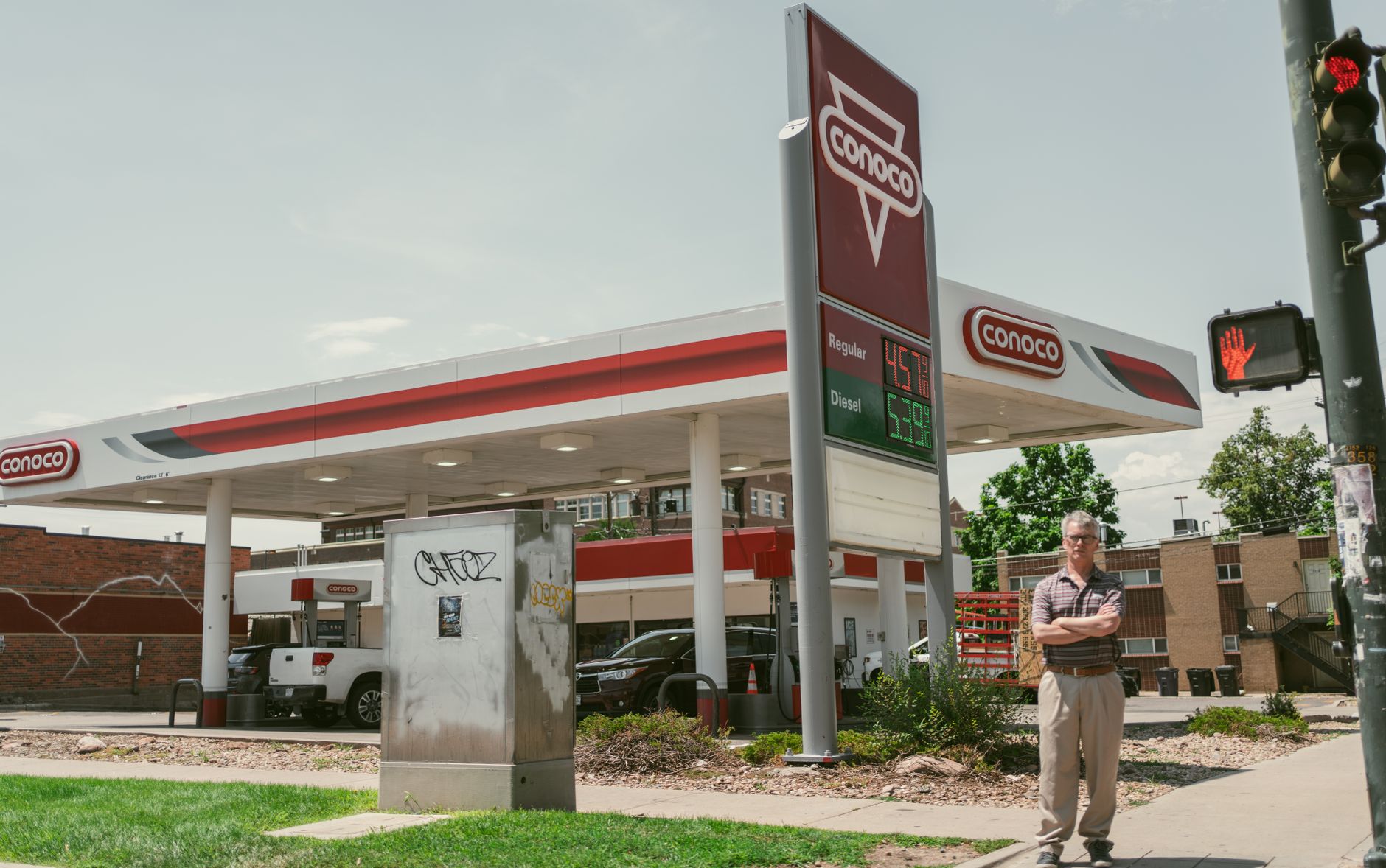
Rising gas prices and shifting consumer demands are accelerating the transition from gas-guzzling classics to efficient electric vehicles.
The American automotive industry is undergoing an unprecedented period of transition. Caught between fluctuating fuel costs at the pump, changing consumer expectations, and a concerted push toward a net-zero emissions future, major automakers are rapidly adjusting their vehicle lineups. For decades, the dominant trend in the United States favored larger, heavier, and more powerful vehicles. Today, that paradigm is fracturing.
From legacy automakers introducing highly anticipated, budget-friendly electric trucks to companies rethinking the future of the internal combustion engine, the market is signaling a definitive shift. Understanding this transformation requires looking at how buyers are reacting to macroeconomic pressures, how niche vehicles are falling out of favor, and how historical corporate acquisitions are shaping the next generation of engine technology.
The Accelerated Shift Toward Smaller Vehicles
For years, large sport utility vehicles and heavy-duty trucks have dominated American highways. However, the economic realities of fueling these massive vehicles are beginning to catch up with consumers. According to reporting by The Drive, high gas prices have fundamentally altered buyer behavior, pushing the market toward a small-car shift that is occurring faster than industry leaders anticipated.
An executive from General Motors noted that the pace of this transition is unprecedented for the company. This market pivot is characterized by several distinct behavioral shifts:
- Consumers are actively spurning larger, gas-heavy models.
- Buyers are heavily prioritizing vehicles that are more affordable to purchase.
- There is an increased demand for highly efficient daily drivers to combat costs at the pump.
- The shift away from large vehicles is happening faster than the company has ever seen before.
This pivot forces major manufacturers like GM to reevaluate their production schedules and long-term fleet strategies. When consumers prioritize daily operating costs over sheer size or cargo capacity, automakers must scramble to meet the demand for smaller, aerodynamic, and fuel-conscious models.
Ford’s Affordable Electric Ambitions
While General Motors focuses on the immediate shift toward smaller commuter cars, other domestic automakers are accelerating their electric vehicle programs to capture the cost-conscious buyer. For many American consumers, the primary barrier to electric vehicle adoption has been the exorbitant sticker price, particularly for popular segments like pickup trucks.
Ford is actively looking to change that narrative. According to Car and Driver, Ford is developing an electric pickup truck targeted at a highly competitive $30,000 price point. Recent updates suggest this budget-friendly EV is looking very promising, with the automaker releasing the first videos showcasing the vehicle's development.
To keep the public engaged and signal its commitment to this accessible price tier, Ford has launched a new website dedicated entirely to tracking the production progress of this $30,000 truck. If successful, an electric pickup at this price could democratize EV ownership for a vast swath of the American working class, effectively bridging the gap between high-end electric luxury vehicles and traditional combustion-engine work trucks.
The Decline of Niche Models and V10 Excess
As mainstream buyers flock toward efficiency and affordability, specialized niche vehicles are struggling to maintain a foothold in the modern market. Even established body styles are facing the chopping block as consumer interest wanes.
A prime example of this contraction is the convertible segment. According to Motor1, Volkswagen’s last remaining drop-top, the T-Roc Convertible, cannot escape the reality of falling demand. The automaker is currently instituting production cuts for the model ahead of its officially planned retirement in 2027. The demise of the T-Roc Convertible underscores a broader industry trend: practicality and efficiency are currently trumping automotive novelty.
Conversely, the extreme end of automotive fuel consumption is transitioning from daily transportation into the realm of wealthy collectors. Jalopnik recently highlighted an extraordinary manual Jeep Cherokee Chief restomod that went up for auction. This particular classic SUV had its original powertrain swapped out for a massive Viper V10 engine.
The publication humorously noted that this V10-powered Jeep could easily win the award for the "worst gas mileage ever." It serves as a stark, mechanical contrast to the modern push for efficiency. As Jalopnik pointed out, the economics of such a vehicle are simple: if a buyer can afford the high-stakes auction price, they can probably afford the towering gas bills required to keep the V10 running.
Rethinking the Internal Combustion Engine
Even as the headlines are dominated by electric trucks and small-car shifts, the traditional gas-powered engine is far from dead. Instead, it is evolving. Automakers recognize that a complete, immediate transition to fully electric fleets is difficult on a global scale. Therefore, making combustion power better is viewed as a necessary step to reach net-zero emissions faster.
According to Autocar, the internal combustion engine is alive, well, and still highly relevant, largely due to innovative approaches from companies like Horse Powertrain. This firm, born out of a partnership between Renault and Geely, is dedicated to refining ICE technology to minimize its environmental impact during the long transition period toward complete electrification.
While Horse Powertrain operates as a new entity, its foundational roots stretch back more than a decade. The origins of this modern combustion innovation can be traced to 2010, when the Chinese automaker Geely acquired the Volvo brand from Ford. This historical acquisition eventually allowed for the unification of two disparate combustion engine development programs under a single corporate umbrella.
By consolidating legacy knowledge and development resources—technologies that originally stemmed from automotive giants like Ford and Volvo—companies like Horse Powertrain are proving that there is still room for innovation within traditional engineering. This approach acknowledges that while the future may ultimately be electric, optimizing the combustion engines produced in the interim is critical to adapting to modern environmental and economic realities.
Key Takeaways
- High gas prices are causing a rapid shift toward smaller, more efficient vehicles, a trend General Motors reports is happening faster than expected.
- Ford is making significant progress on a highly anticipated $30,000 electric pickup truck, recently launching a website to track its production.
- Less practical vehicles are seeing a decline, with Volkswagen cutting production of its T-Roc Convertible ahead of a 2027 retirement.
- Companies like Renault-Geely's Horse Powertrain are continuing to innovate internal combustion engines to help reach net-zero emissions faster.
Frequently asked questions
Why are car buyers shifting toward smaller vehicles?
According to General Motors executives, high gas prices have driven consumers to spurn larger models in favor of more affordable and efficient smaller cars, at a pace faster than the company has previously seen.
Is Ford releasing an affordable electric truck?
Yes, Ford is developing a $30,000 electric pickup truck. The company has released promising initial videos and launched a dedicated website to track its production progress.
What is Horse Powertrain?
Horse Powertrain is a Renault-Geely company focused on making internal combustion engines better and more efficient to help the industry reach net-zero emissions faster. Its structural roots trace back to 2010, when Geely acquired Volvo from Ford.
- 01Autocar: Horse: Making ICE power better to get to net zero faster
- 02Motor1: Even Volkswagen's Last Convertible Can't Escape Falling Demand
- 03Jalopnik: And The Award For Worst Gas Mileage Ever Goes To This Manual Jeep Cherokee Chief With A Viper V10
- 04The Drive: GM Says High Gas Prices Have Driven Small-Car Shift Faster Than Expected: TDS
- 05Car and Driver: Ford's $30,000 Electric Truck Looks Promising in First Videos
This editorial article was written by US News Desk's editorial desk using current reporting from the publishers above. All facts were grounded against these sources.