The Automotive Shift: From Vintage Ingenuity to Modern Flagships
*A look at the shifting automotive landscape, exploring the preservation of vintage parts, early driver ingenuity, and modern market strategies.*
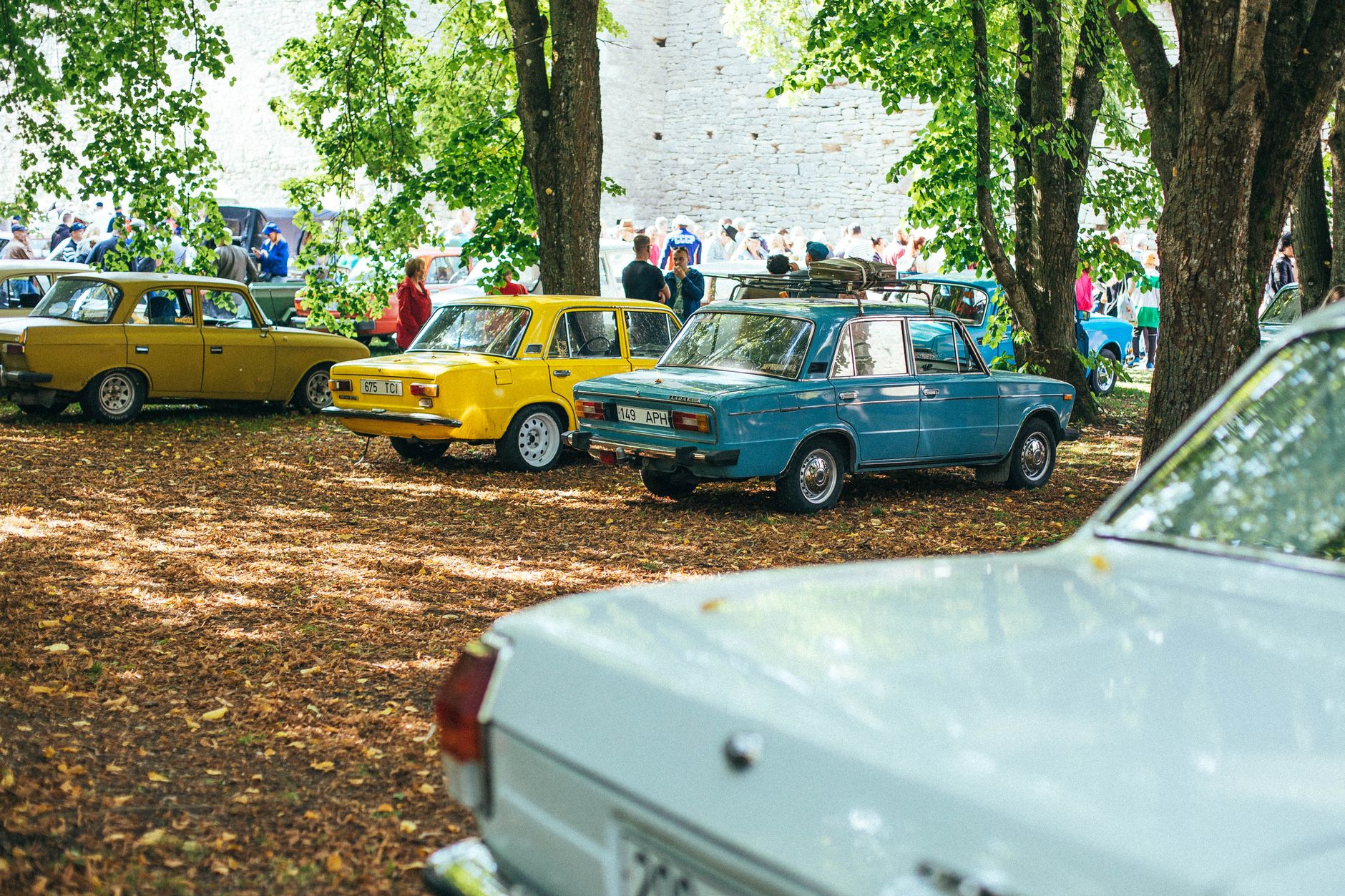
A look at the shifting automotive landscape, exploring the preservation of vintage parts, early driver ingenuity, and modern market strategies.
The Ripple Effect of Influential Automobiles
The conversation surrounding the automotive sector is often dominated by the latest technological shifts, such as the continued development and market penetration of American electric cars in 2023. However, understanding the current trajectory of the motor industry requires a broader look at how vehicles are designed, preserved, and brought to market.
According to reporting by Autocar, the extensive history of the automobile is defined by a select group of the world's most influential cars. Most vehicles that roll off the assembly line come and go, causing barely a ripple in the broader market process. Yet, the rare, truly influential models are the ones that have successfully changed the direction of the motor industry, setting new standards for everything from engineering design to daily driver comfort.
Archiving the Evolution at French Lake Auto Parts
To fully appreciate these influential leaps in automotive design, one must look at the physical history left behind. Across the United States, salvage yards serve as unofficial, sprawling museums for the automotive sector. Autocar highlights a premier example located in Annandale, Minnesota: French Lake Auto Parts.
The sheer scale of the operation is a testament to the country's long-standing relationship with the automobile. The site functions as a vital resource for the preservation of motor history, highlighted by several key operational details:
- The facility was founded in 1956 and is affectionately known by its alternative moniker, Junktown USA.
- It houses an impressive inventory of thousands of parts cars, representing a timeline spanning from the 1920s all the way to the present day.
- The yard is meticulously organized, ensuring that every vehicle is properly categorized and securely stored on firm ground to protect structural integrity.
Facilities like Junktown USA do more than just supply spare parts; they preserve the tangible history of an industry that is constantly pushing toward the future.
The Quest for Cabin Comfort and Airflow
Walking through the rows of a salvage yard spanning back to the 1920s reveals just how much the fundamental driving experience has changed. One of the most significant shifts in automotive history was the move from open-air carriages to fully enclosed vehicle cabins. While this enclosed design provided crucial protection from the weather, it also introduced an entirely new set of challenges for passengers.
According to Jalopnik, back when cars first became enclosed, the trapped ambient heat created a deeply uncomfortable environment for motorists. Before air conditioning became a standard, ubiquitous feature in modern cars, drivers and engineers had to get highly creative with airflow. The challenge of cooling down the cabin led to a variety of mechanical workarounds and ventilation strategies. People relied on sheer ingenuity to survive hot summer drives, highlighting how features that modern drivers take entirely for granted were born out of absolute necessity.
Modern Profitability and Production Strategies
While historical vehicles showcase the gradual evolution of driver comfort and mechanical engineering, modern automotive news is often dominated by complex financial strategies and production realities. The transition toward newer vehicle platforms often brings significant overhead, forcing legacy automakers to rethink their core business models and volume expectations.
According to Car and Driver, Porsche CEO Michael Leiters is actively looking to reshape the German automaker's financial trajectory amid changing production volumes. Leiters wants the company to increase its profits despite navigating a general production downturn and selling fewer cars overall.
This seemingly contradictory goal relies on a strategic pivot toward exclusivity. To offset the lower production numbers, Leiters' strategy suggests that more flagship models and highly sought-after special editions are on the way. By focusing on highly profitable, top-tier vehicles, the manufacturer aims to leverage its brand prestige to maintain financial health, prioritizing high-margin luxury over mass-market volume.
Cultivating Automotive Enthusiasm at Home
The widespread fascination with automotive design extends far beyond the dealership floor or the salvage yard; it is deeply embedded in consumer hobbies and home activities. For many, automotive passion is celebrated through scale models and meticulous building projects.
According to Road & Track, car enthusiasts have a deep-seated love for Lego car kits, turning complex vehicle engineering into accessible, hands-on experiences. The enthusiast market for these kits is vast, and consumer retail events heavily cater to this dedicated demographic.
Road & Track notes that Prime Day is the perfect chance for consumers to get a great deal on a highly detailed Lego car kit. Shoppers looking to expand their desktop garages are advised to pick theirs up before Friday to save big bucks. This enduring popularity of scale models proves that the cultural impact of the automobile remains as strong as ever, influencing everything from multinational corporate strategies to weekend building projects.
Key Takeaways
- Most cars cause barely a ripple, but truly influential vehicles fundamentally change the direction of the global motor industry.
- Historic salvage yards like French Lake Auto Parts meticulously preserve thousands of cars spanning from the 1920s to the present day.
- Modern automakers are navigating production downturns by shifting focus toward highly profitable flagship models and special editions.
Frequently asked questions
Where is French Lake Auto Parts located?
French Lake Auto Parts, also known as Junktown USA, is located in Annandale, Minnesota.
What is Porsche's current production strategy?
According to Car and Driver, Porsche CEO Michael Leiters wants the company to increase profits despite selling fewer cars by focusing on flagships and special editions.
How did drivers cool down enclosed cars before modern air conditioning?
As reported by Jalopnik, before air conditioning became standard, drivers had to rely on mechanical ingenuity and get creative with airflow to cool down the cabin.
- 01Car and Driver: Porsche's CEO Wants More Profits Despite Production Downturn
- 02Jalopnik: Before Air Conditioning Was Standard In Cars, People Had To Get Creative With Air Flow
- 03Autocar: The Junkyard finds from French Lake Auto Parts, Annandale, Minnesota
- 04Road & Track: Best Prime Day Deals on Lego Car Kits
This editorial article was written by US News Desk's editorial desk using current reporting from the publishers above. All facts were grounded against these sources.