Toyota's Engineering Legacy and the Future of the Compact Pickup
*From legendary cast-iron engines to rumors of a RAV4-based pickup, Toyota balances its rugged heritage with evolving global markets.*
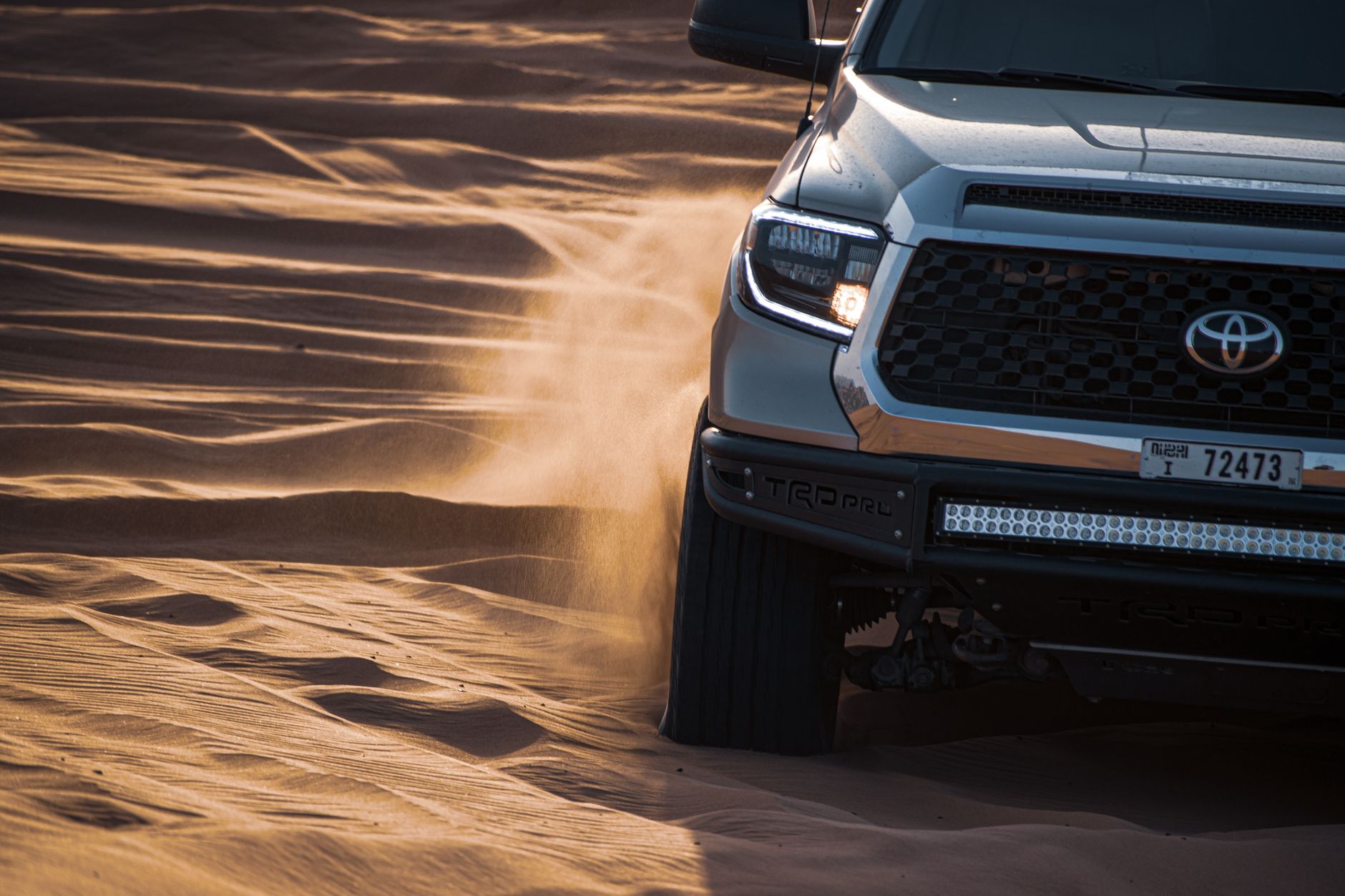
From legendary cast-iron engines to rumors of a RAV4-based pickup, Toyota balances its rugged heritage with evolving global markets.
The Cast-Iron Foundation of Reliability
Toyota's reputation in the United States and across the globe was not established overnight. For decades, the automaker has relied on a philosophy of robust, straightforward engineering that prioritizes longevity above all else. According to recent retrospective reporting from Jalopnik, the foundation of Toyota's virtually unkillable truck lineup can be traced directly back to the design of the legendary 22R-E engine.
What made the 22R-E power plant so remarkably successful was its unwavering commitment to simplicity and durability. Featuring a heavy-duty cast-iron block, the engine was engineered to withstand extreme temperatures and harsh operating conditions without suffering catastrophic internal failures. This famously resilient engine found its way into early Toyota pickups and the iconic 4Runner, helping to cement the brand's status among off-road enthusiasts, fleet operators, and everyday drivers who demanded vehicles that simply refused to quit.
Jalopnik notes that the cast-iron construction provided a baseline of structural toughness that made these vehicles legendary for their operational lifespans. By prioritizing a tough, over-engineered block over highly complex or delicate internal mechanisms, Toyota ensured that its trucks could endure decades of heavy use. This established a baseline of consumer trust that continues to influence the automaker's product development and marketing strategies to this day.
Expanding the Powertrain Lineup
As Toyota's vehicle portfolio expanded throughout the late 20th and early 21st centuries, so did its need for diverse engine architectures. The company required powertrains that could propel both its mainstream utility vehicles and its emerging lineup of premium luxury sedans and SUVs. Moving beyond the utilitarian focus of engines like the 22R-E, Toyota developed the UZ engine family to meet a much wider array of performance demands.
Reporting from Jalopnik highlights the distinct engineering differences between Toyota's 1UZ, 2UZ, and 3UZ engines. Over the years, these engines powered a significant variety of vehicles across both the Toyota and Lexus lineups. The continuous evolution from the 1UZ to the 3UZ was marked by notable variations in both base materials and overall performance capabilities.
While some iterations in the UZ family prioritized specific materials designed for high-end, smooth performance in luxury cars, others leaned into configurations better suited for the high-torque demands of larger utility vehicles. This strategic variation in engine manufacturing allowed Toyota to maintain its hard-won reputation for mechanical reliability while successfully catering to a broader spectrum of the automotive market. From luxury buyers seeking quiet highway cruising to families requiring capable towing vehicles, the UZ family demonstrated Toyota's ability to scale its engineering prowess.
The Appeal of a Compact Pickup
Today, the automotive landscape is experiencing a noticeable shift back toward smaller, more fuel-efficient utility vehicles. The massive commercial success of compact trucks, most notably the Ford Maverick, has prompted intense industry speculation about whether Toyota will re-enter the small truck segment. Given Toyota's rich history of manufacturing durable small pickups in the past, a modern compact truck seems like a natural fit for the current market.
According to industry reports from both Motor1 and The Drive, the idea of producing a compact, Maverick-style pickup is highly tempting for the automaker. Specifically, discussions have centered around the potential for a pickup truck based on the incredibly popular RAV4 crossover platform. A top RAV4 engineer recently admitted to automotive outlets that the concept of a RAV4-based truck is "quite appealing" to the company's design teams.
However, eager consumers looking for a smaller alternative to Toyota's current truck offerings may have to wait. Despite the obvious appeal and the clear market demand for smaller, versatile utility vehicles, Toyota has stated that there are currently no formal plans to put a RAV4-based pickup into production. As reported by The Drive, while the concept remains a fun idea deep in the hearts of Toyota's engineering team, the automaker is holding off on officially bringing a Maverick challenger to showroom floors right now.
Industry watchers are currently keeping a close eye on Toyota's development pipeline, looking for any of the following indicators:
- Concept vehicle reveals that hint at a unibody truck architecture.
- Official shifts in production strategy regarding the RAV4 platform.
- Further commentary from top engineers regarding the viability of a Maverick-style competitor.
Navigating Global Trade and European Legislation
While product development teams contemplate future vehicle designs, Toyota's corporate leadership is actively navigating a complex web of international manufacturing regulations. The highly globalized nature of the modern automotive supply chain means that regional legislation can have profound impacts on overall production and corporate investment strategies.
Recently, Toyota issued a stern warning to the European Union regarding proposed localized trade rules. According to Autocar, Toyota cautioned that the EU faces potential "isolation" if its proposed "Made in Europe" barriers are fully implemented and remain in place. The legislation is primarily designed to incentivize local manufacturing within the bloc, but Toyota argues it could inadvertently lock important non-EU nations out of crucial economic and trade benefits.
Specifically, the automaker highlighted that countries like the United Kingdom and Turkey could be severely and negatively impacted by these impending regulations. By restricting the seamless flow of automotive components and finished vehicles from these non-EU nations, the European Union risks losing out on significant long-term investments from global manufacturing giants like Toyota. Autocar reports that Toyota's explicit warning underscores the delicate and often difficult balance automakers must strike between localizing production to satisfy strict regional mandates and maintaining efficient, cross-border supply chains that keep vehicle costs down for consumers.
Key Takeaways
- Toyota's historic reputation for rugged reliability is deeply rooted in the simple, cast-iron design of early engines like the 22R-E.
- The versatile UZ engine family evolved across both Toyota and Lexus models, demonstrating the brand's adaptable approach to materials and performance capabilities.
- While a RAV4-based compact truck designed to rival the Ford Maverick is 'quite appealing' to Toyota engineers, there are currently no plans to begin production.
- Toyota has publicly warned the European Union that proposed 'Made in Europe' trade barriers risk isolating the region and freezing out vital non-EU manufacturing partners like the UK and Turkey.
Frequently asked questions
Is Toyota building a compact pickup to compete with the Ford Maverick?
According to Toyota engineers, a RAV4-based compact pickup is 'quite appealing,' but the automaker states there are currently no official plans to put such a vehicle into production right now.
What made the Toyota 22R-E engine so reliable?
The legendary 22R-E engine utilized a heavy-duty cast-iron block and a deliberately simple mechanical design, which directly contributed to the virtually unkillable reputation of early Toyota pickups and 4Runners.
Why is Toyota warning the European Union about trade barriers?
Toyota has warned that proposed 'Made in Europe' rules could isolate the EU by locking non-EU nations, such as the UK and Turkey, out of crucial economic benefits, potentially risking future corporate investments.
- 01Jalopnik: Why The Toyota 22R-E Cast-Iron Block Made The Pickup And 4Runner Unkillable
- 02Motor1: 'Quite Appealing:' Toyota Admits A Maverick-Style Pickup Is Tempting
- 03Autocar: Toyota warns of EU 'isolation' if Made in Europe barriers remain
- 04The Drive: Toyota RAV4-Based Truck Is ‘Quite Appealing’ Top Engineer Says: TDS
This editorial article was written by US News Desk's editorial desk using current reporting from the publishers above. All facts were grounded against these sources.