Understanding Modern Automotive Trends: From V-8s to Fleet EVs
A closer look at the diverse consumer demands and manufacturer strategies shaping the modern vehicle landscape.
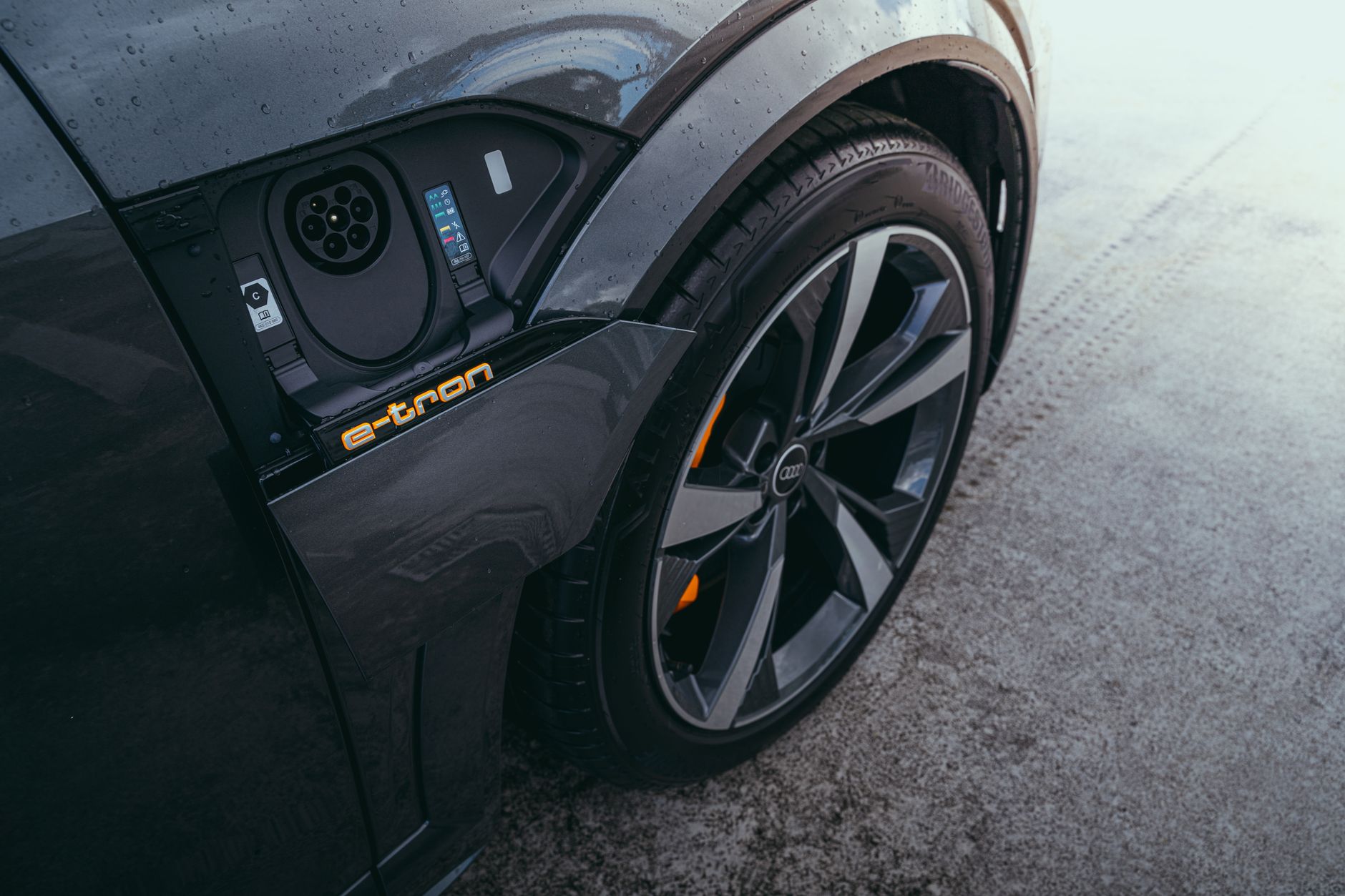
A closer look at the diverse consumer demands and manufacturer strategies shaping the modern vehicle landscape.
Shifting Manufacturer Strategies
The global automotive market is continually evolving, with manufacturers adjusting their operational approaches to meet changing economic realities. While much of the industry's focus is often placed on achieving the highest possible sales figures and dominating volume charts, some legacy luxury brands are taking a decidedly different route to ensure financial stability.
According to reporting from Car and Driver, Porsche is currently navigating a production downturn. However, the company's leadership is not attempting to solve this by simply pushing more base models off the assembly line. Porsche CEO Michael Leiters has outlined a targeted strategy that aims to increase the company's overall profits despite selling fewer cars. To achieve this ambitious goal, the automaker is expected to introduce more flagship models and exclusive special editions. This approach underscores a broader industry concept where specialized, high-margin vehicles can financially offset a dip in raw production numbers, catering to a demographic of buyers who prioritize exclusivity over mass-market availability.
The Persistence of Traditional Powertrains
Despite a widespread and heavily publicized industry push toward alternative fuels and total electrification, the traditional internal combustion engine retains a dedicated and passionate following. The appeal of high-performance traditional powertrains continues to influence a distinct segment of vehicle sales across the country.
As noted by Road & Track, the eight-cylinder engine is still going strong in the modern marketplace. For buyers who prioritize the auditory and mechanical experience of a traditional gas engine, there remains a surprising variety of options available right off the dealership floor. Consumers can currently purchase new V-8–powered vehicles across several distinct body styles. This ongoing availability includes coupes, sedans, wagons, and dedicated sports cars. The continued production of these engines suggests that automakers recognize a persistent consumer demand for classic performance configurations, even as the broader automotive market heavily diversifies.
Lifestyle Factors and Utilitarian Needs
For a significant portion of the buying public, vehicle purchases are dictated less by performance metrics or luxury badging and more by strict, daily utilitarian needs. The practical requirements of a household—and the specific lifestyles of the drivers—often dictate the exact class and size of a purchased vehicle.
One distinct example of this lifestyle-driven purchasing behavior involves accommodating pets. According to insights from Jalopnik regarding the best vehicles for dog owners, the criteria for a successful pet-hauler are remarkably straightforward. The general consensus among drivers is that dogs require space, comfort, and very little else. This minimalist set of requirements heavily influences the popularity of spacious wagons, crossovers, and SUVs. When buyers prioritize interior cabin volume and ride comfort for their animals, it directly impacts the sales momentum of larger, more accommodating vehicle classes, proving that simple practicality remains a dominant force in auto sales.
Fleet Electrification and Financial Incentives
While individual consumer preferences drive retail auto sales, the corporate and fleet markets operate on an entirely different set of operational priorities. In the realm of fleet vehicles, the transition to electric power is accelerating rapidly, driven by distinct financial advantages rather than purely ecological goals.
Reporting from Autocar highlights the distinct catalysts behind the fast-growing fleet of electric company cars. A recent survey conducted by a leasing firm focused on the UK market reveals that environmental consciousness is no longer the sole primary motivator for this corporate shift. Instead, a desire among employees to reduce their personal tax bills has emerged as an almost equally significant pull.
The combination of cheap tax rates and affordable charging costs is fundamentally altering the corporate vehicle landscape. By examining the following factors, the momentum behind global fleet electrification becomes clear:
- Reduced Tax Liabilities: Employees actively seek out electric company cars primarily to minimize their annual tax burdens.
- Operational Cost Savings: Cheap charging solutions make EVs highly attractive to fleet managers tasked with monitoring the corporate bottom line.
- Dual Motivators: The equal weighting of personal financial savings and overarching environmental goals creates a highly compelling business case for electrification.
The Enduring Allure of the Collector Market
Beyond the new and fleet vehicle sectors, the automotive landscape is rounded out by a passionate collector and enthusiast market. In this specialized space, modern practicality and fuel efficiency are often completely discarded in favor of rarity, mechanical history, and nostalgia.
A prime example of this phenomenon is the 1967 Hino Contessa. As highlighted by Jalopnik, this particular model was built for only a short period during the 1960s. Today, surviving examples can command a price tag of nearly $19,950. The value of the Contessa is intrinsically tied to its scarcity and the unique operational history of its manufacturer. Hino has not produced consumer cars in decades, making models like the Contessa incredibly rare. For automotive enthusiasts, purchasing such a vehicle is not about securing reliable daily transportation; it is an investment in automotive history and the unique experience of owning a piece of a bygone manufacturing era.
A Highly Segmented Industry
The modern vehicle market cannot be easily summarized by a single trend. It remains a highly segmented industry where highly specific consumer motivations directly intersect with targeted manufacturer strategies.
From Porsche’s sharp focus on high-margin flagships in the face of lower overall production, to the persistent survival of the V-8 engine across multiple traditional body styles, the market caters to a wide and occasionally conflicting array of desires. Simultaneously, practical considerations continue to drive volume sales in utilitarian segments, while the corporate sector’s shift toward EVs points to the powerful role of financial pragmatism. Together, these disparate elements form the complex, ever-evolving ecosystem of the modern automotive market.
Key Takeaways
- Luxury automakers like Porsche are prioritizing higher profits through flagship models and special editions to offset general production downturns.
- Despite industry shifts toward EVs, new V-8 engines remain available across coupes, sedans, wagons, and sports cars.
- Utilitarian consumer needs, such as ensuring space and comfort for dogs, continue to heavily influence practical vehicle purchases.
- The growth of electric fleet vehicles is heavily driven by employee desires to reduce tax bills and utilize cheap charging.
Frequently asked questions
Why are some luxury automakers producing fewer cars?
Some manufacturers, such as Porsche, are facing production downturns but are aiming to increase overall profits by focusing heavily on high-margin flagship models and exclusive special editions.
Are V-8 engines still available in new cars?
Yes. Automakers continue to offer V-8 engines across a variety of new body styles, including coupes, sedans, wagons, and sports cars, catering to buyers who want traditional performance.
What is driving the shift toward electric fleet vehicles?
Surveys show that alongside environmental reasons, a major catalyst for electric fleet growth is the employee desire to lower personal tax bills, combined with the appeal of cheap charging.
- 01Jalopnik: At $19,950, Could This 1967 Hino Contessa Make You Feel Like Car Show Royalty?
- 02Autocar: Cheap tax increasingly big pull in fleet EV growth
- 03Road & Track: Every New Car You Can Buy with a V-8 Engine
- 04Car and Driver: Porsche's CEO Wants More Profits Despite Production Downturn
This editorial article was written by US News Desk's editorial desk using current reporting from the publishers above. All facts were grounded against these sources.