Convergence and Control: The Shifting Boundaries of Media, Devices, and Regulation
As Silicon Valley giants blur the lines between hardware, streaming, and enterprise software, traditional media faces unprecedented regulatory pressures.
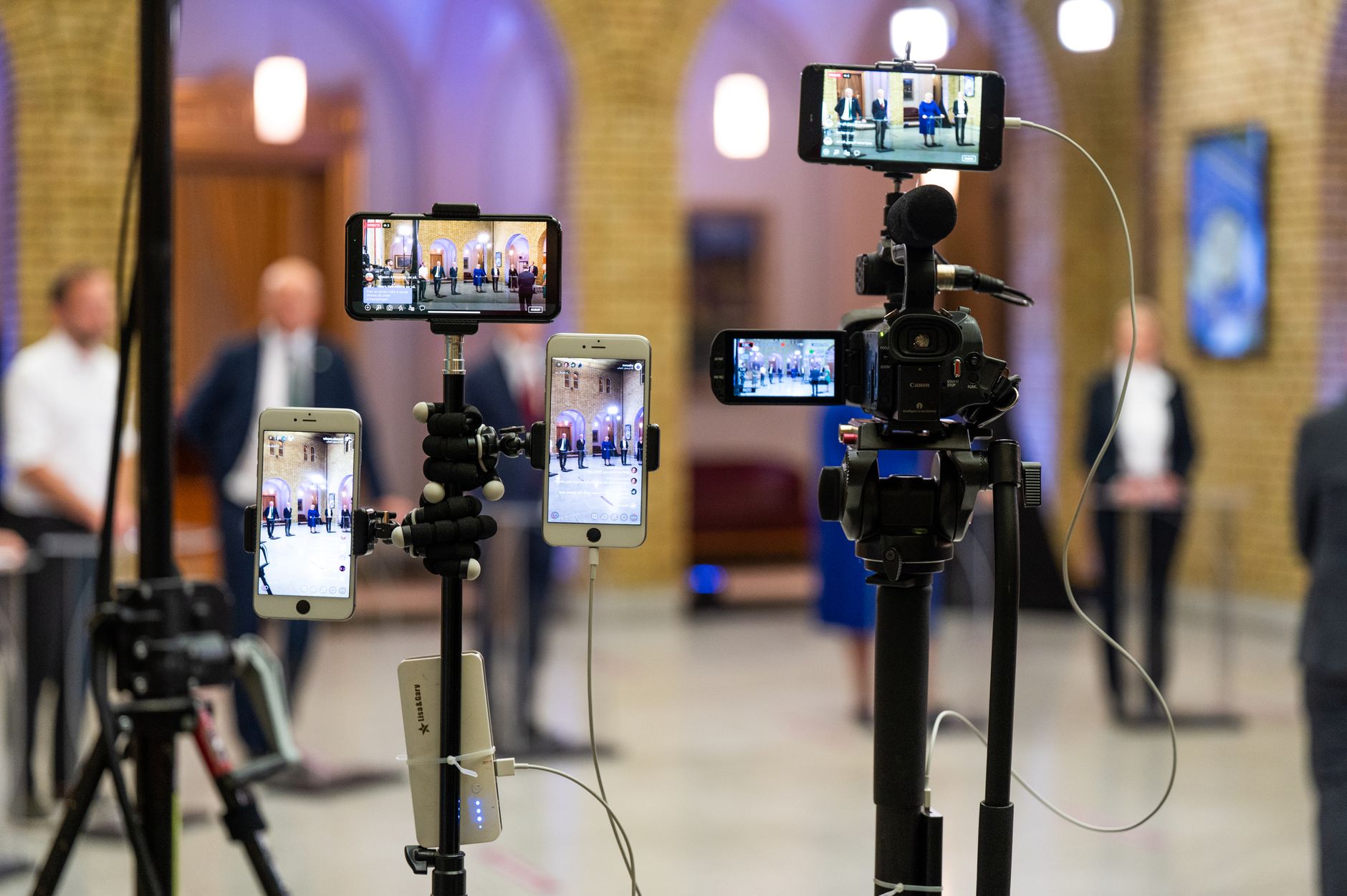
As Silicon Valley giants blur the lines between hardware, streaming, and enterprise software, traditional media faces unprecedented regulatory pressures.
The story so far
The first week of July 2026 has delivered a fascinating cross-section of announcements that perfectly encapsulate the current state of the American technology and media landscape. Across multiple sectors, companies are aggressively pivoting to capture fractured audience attention, defend their established domains, and navigate increasingly hostile regulatory environments. According to recent industry reports, the traditional boundaries separating hardware manufacturers, streaming giants, enterprise software developers, and legacy broadcasters are dissolving faster than ever before.
In the entertainment sector, as TechCrunch has reported, Netflix is fundamentally altering its content strategy by launching partnerships with digital publishers like Variety and Rolling Stone. The streaming behemoth is bringing 2- to 20-minute videos to its platform, an unmistakable foray into the shorter-form market previously dominated by social video applications. Meanwhile, the mobile hardware sector is bracing for its next major cyclical update. Engadget notes that Google has officially scheduled its next highly anticipated Pixel event for August 12 at 6pm ET, a critical moment for the search giant as it attempts to solidify its hardware market share against formidable domestic and international rivals.
Simultaneously, we are seeing surprising pivots in consumer robotics and enterprise computing. Engadget also reported that iRobot, the company practically synonymous with autonomous home vacuums, has introduced a decidedly non-robotic manual floor cleaner, signaling a significant shift in its product philosophy. On the software front, according to The Verge, Anthropic is launching its Claude Cowork platform on both mobile and web interfaces starting Tuesday. This deployment moves the company's advanced machine learning tools out of the browser and directly into the ubiquitous mobile workflow. Finally, in a stark reminder of the regulatory burdens facing legacy media, The Verge reports that ABC is currently locked in a fierce dispute with the Federal Communications Commission (FCC). The network is demanding the government stay out of its newsrooms following an agency investigation into how much airtime The View afforded to specific political candidates.
Why this matters
This cluster of developments highlights a profound period of platform convergence and maturation across the global technology sector. The strategic decisions made by these corporations are not occurring in a vacuum; they represent calculated responses to an increasingly saturated market where consumer attention and discretionary spending are fiercely contested. For instance, Netflix's decision to integrate 2- to 20-minute videos reveals a tacit acknowledgment that blockbuster feature films and serialized dramas are no longer sufficient to monopolize user engagement. By dabbling in shorter, publisher-driven content, the company is attempting to patch the gaps in a user's daily viewing habits—the moments spent commuting, waiting in line, or taking a quick break—which have historically been monetized by platforms like YouTube and Instagram.
Furthermore, the juxtaposition of technological expansion and regulatory friction cannot be ignored. While companies like Google and Anthropic are rapidly deploying highly sophisticated computational tools and hardware designed to integrate seamlessly into every aspect of personal and professional life, traditional broadcast media remains bound by archaic regulatory frameworks. The FCC's investigation into ABC underscores the severe operational discrepancies between digital platforms, which operate with immense editorial freedom, and legacy television networks, which remain tethered to equal-time rules and government oversight. This imbalance distorts the competitive landscape, fundamentally altering how political discourse is curated and distributed to millions of American voters during highly polarized election cycles.
Editorial analysis
Looking closely at the strategic repositioning of these companies, a distinct narrative emerges about the limits of endless technological expansion and the return to core utility. Take iRobot's introduction of a manual, non-automated floor cleaner. For over two decades, the company built its entire brand identity on the promise of autonomous domestic labor. The decision to release a traditional, human-operated cleaning device suggests that the smart home market may be hitting a ceiling of practical utility or consumer price tolerance. It is a striking admission that high-tech solutions are not always the most efficient or desired answer to everyday problems, and it reflects a broader industry trend of hardware companies seeking diversification amid supply chain complexities and tightening consumer budgets.
Google's upcoming August 12 Pixel presentation must be viewed through a similar lens of market maturation. The smartphone industry has largely moved past the era of revolutionary form-factor changes. The battleground has firmly shifted to integrated software ecosystems and proprietary machine learning capabilities baked directly into the silicon. For Google, the Pixel line serves not just as a revenue stream, but as a mandatory physical vessel for its vast array of digital services. As Anthropic pushes its Claude Cowork platform onto mobile devices, the competition to become the default digital assistant layer on smartphones is intensifying. Anthropic's move to mobile ensures that advanced enterprise automation is no longer confined to desktop environments, accelerating a shift toward an always-on, always-connected mobile workforce that demands instantaneous analytical capabilities in their pockets.
However, the most alarming development is the regulatory skirmish between ABC and the FCC. The investigation into The View over political airtime touches the very nerve center of the First Amendment and journalistic independence. While equal-time regulations were originally conceived to ensure fairness over limited public broadcast spectrums, applying these rules aggressively against specific talk shows while digital and streaming platforms operate without similar constraints creates a chilling effect on broadcast journalism. It forces network executives to make editorial decisions based on legal risk mitigation rather than news value. When government agencies use regulatory mechanisms to scrutinize the editorial choices of a newsroom, it sets a dangerous precedent that can be weaponized by successive political administrations against unfavorable coverage.
What to watch next
As these narratives develop over the coming weeks and months, industry observers and market participants should closely monitor the following metrics and milestones:
- Google's August 12 Hardware Showcase: Pay close attention to how Google positions the new Pixel devices—specifically, whether the marketing emphasis is placed on hardware specifications or the deep integration of proprietary computational features that rivals cannot easily replicate.
- Netflix Engagement Metrics: Subsequent quarterly earnings calls will likely reveal how successful the partnerships with Rolling Stone and Variety have been. Watch for data on completion rates for the new 2- to 20-minute video segments and whether they effectively reduce subscriber churn.
- The FCC's Next Move: The formal regulatory response to ABC's aggressive defense will indicate whether the current administration plans to pursue a wider crackdown on broadcast editorial policies ahead of the upcoming election cycles.
- Anthropic's Mobile Adoption Rate: As the Claude Cowork platform expands to iOS and Android interfaces starting Tuesday, its uptake among enterprise clients will serve as a crucial barometer for the future of mobile-based workplace automation.
- iRobot's Revenue Diversification: Tracking the sales performance of iRobot's new non-robotic hardware will reveal whether legacy tech brands can successfully pivot backward into low-tech consumer goods to stabilize profit margins.
For global readers
For the vast South-Asian diaspora and international observers, the tensions exhibited in the US market offer a striking parallel to the evolving digital and media landscapes in countries like India. The regulatory battle between ABC and the FCC over broadcast content directly mirrors the ongoing debates in New Delhi surrounding the Ministry of Information and Broadcasting's attempts to tighten regulatory oversight on digital news and OTT platforms. Just as US networks are fighting government intervention in newsrooms, Indian media entities have repeatedly clashed with sweeping IT Rules designed to police content. Furthermore, the technological shifts—particularly Netflix's pivot to shorter content and Anthropic's push into mobile enterprise tools—are fundamentally targeted at mobile-first populations. India, with its massive smartphone penetration and insatiable appetite for short-form video, serves as the ultimate proving ground for these exact strategies. The products being refined by Indian tech workers in Silicon Valley today are inextricably linked to the consumption habits of the subcontinent tomorrow.
The bottom line
We are witnessing a profound realignment where streaming services mimic social media, hardware pioneers retreat to analog basics, and advanced software integrates entirely into our mobile lives. Yet, as technology races forward to capture every minute of consumer attention, the escalating clash between traditional media networks and government regulators serves as a stark reminder that the battle for regulatory overreach and editorial freedom remains the most critical, unresolved conflict of the digital age.
Key Takeaways
- Netflix is pivoting into the short-form video market by partnering with publishers like Variety to stream 2- to 20-minute clips.
- Google has scheduled its highly anticipated next Pixel hardware event for August 12 at 6pm ET.
- In a surprising product pivot, iRobot has released a manual, non-automated floor cleaner, signaling a shift in smart-home strategy.
- Anthropic is expanding its enterprise footprint by launching the Claude Cowork platform on mobile and web interfaces.
- ABC is actively resisting an FCC investigation into the political airtime provided by The View, highlighting severe tensions over journalistic independence.
Frequently asked questions
When is the next Google Pixel event?
Google has officially scheduled its next Pixel event for August 12 at 6pm ET.
Why is Netflix adding shorter videos?
Netflix is partnering with publishers like Rolling Stone and Variety to offer 2- to 20-minute videos, aiming to capture the short-form engagement currently dominated by platforms like YouTube and social media.
Why is the FCC investigating ABC?
The Federal Communications Commission opened an investigation into ABC over the amount of airtime given to political candidates on 'The View', prompting the network to fiercely defend its editorial independence.
- 01TechCrunch: Netflix dabbles in shorter video content with its new set of publisher deals with Variety, others
- 02Engadget: Google's next Pixel event is on August 12
- 03The Verge: Anthropic is launching Claude Cowork on mobile and web
This editorial article was written by US News Desk's editorial desk using current reporting from the publishers above. All facts were grounded against these sources.