Evolving Vehicle Markets: From Tesla Expansion to EV Efficiency
As the US automotive landscape shifts, automakers are introducing three-row electric SUVs, hydrogen speed challengers, and advanced EVs.
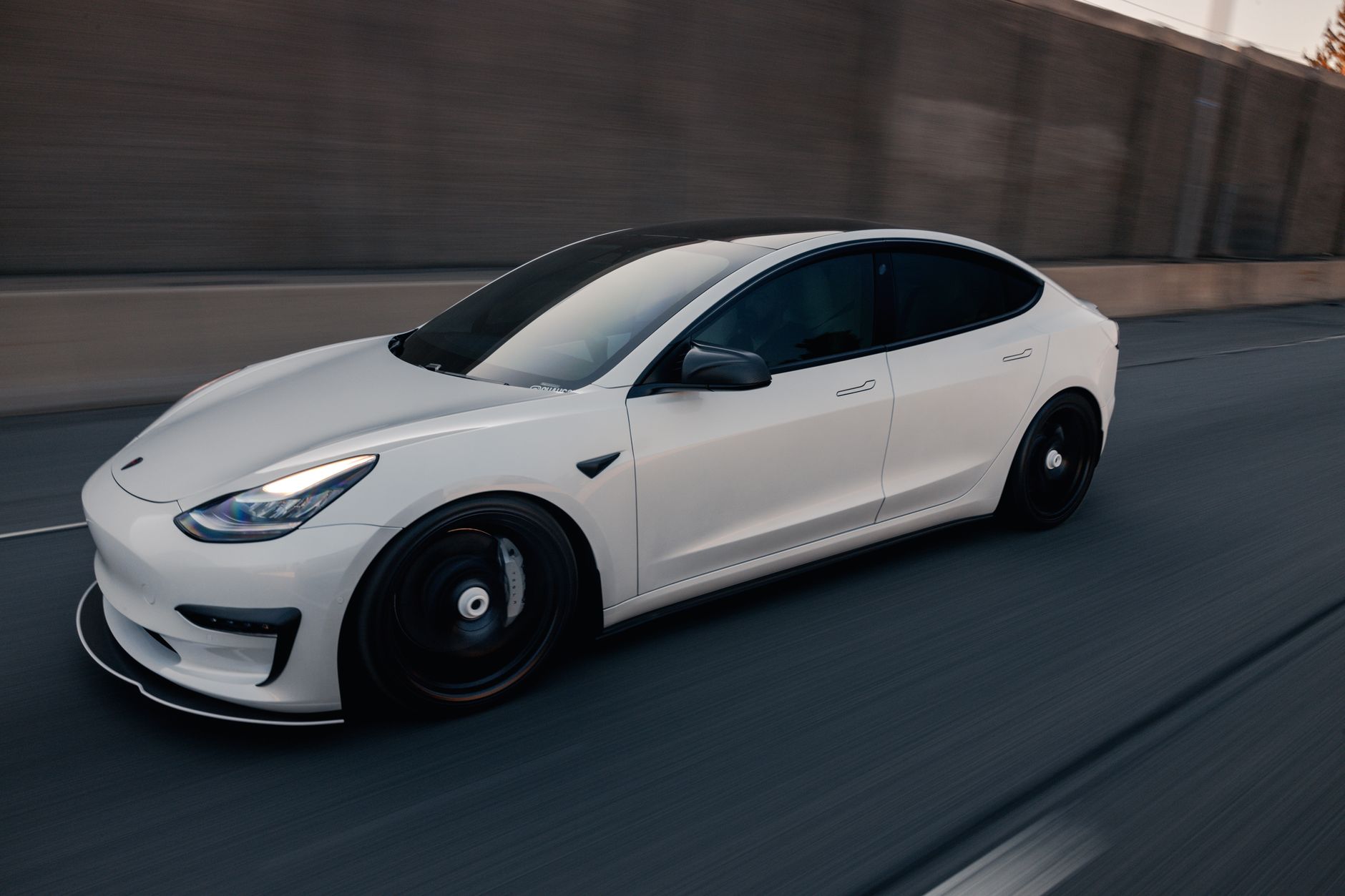
As the US automotive landscape shifts, automakers are introducing three-row electric SUVs, hydrogen speed challengers, and advanced EVs.
The automotive industry is currently navigating one of its most transformative eras, balancing the practical demands of everyday drivers with the urgent need for environmental sustainability and the enduring passion of driving enthusiasts. For consumers in the United States and abroad, the vehicle marketplace is shifting rapidly. The immediate future of the American automotive landscape is being shaped by strategic expansions from domestic electric vehicle pioneers, radical efficiency concepts from global energy giants, and continued innovations in both alternative fuel combustion and traditional driving mechanics.
Tesla's Strategic Shift in the American SUV Market
Consumer preference in the United States has long skewed toward larger, more accommodating vehicles, particularly for families. Automakers operating in the electric space are continually adapting their lineups to meet this specific demand. According to recent reporting by Car and Driver, a major shift is currently underway at Tesla regarding its larger passenger offerings.
Following the recent departure of the Model X from the active lineup, Tesla is reportedly planning to bring a new variant of its highly popular compact crossover to the U.S. market. This new model, identified as the Tesla Model Y L, is engineered as a long-wheelbase version of the standard Model Y.
The introduction of a long-wheelbase architecture allows the Model Y L to function as a more spacious three-row SUV. The departure of the Model X left a notable gap in Tesla's portfolio for consumers requiring maximum passenger seating. By stretching the dimensions of the existing Model Y platform, Tesla aims to provide that much-needed interior space. For American families, this development means access to a multi-passenger electric vehicle that delivers three rows of seating without forcing buyers into a significantly heavier or entirely new vehicle footprint.
Rethinking Small EVs with Shell's Triple10
While the American market continues to show strong demand for multi-row SUVs, there is a parallel global push toward ultra-efficient, small-scale electric vehicles. Energy giant Shell has recently unveiled its vision for the future of small electric cars, showcasing a concept that promises to alter how the industry approaches compact EV design.
Per Autocar, Shell's new concept, dubbed the Triple10, represents a generational leap in electric vehicle technology. The core of this advancement lies in a significant battery cooling breakthrough. Efficient thermal management is one of the most critical challenges in electric vehicle engineering. When a battery system is cooled more effectively, it unlocks a host of performance and longevity benefits that ripple throughout the vehicle's entire design.
According to Autocar, the Triple10 concept utilizes this thermal breakthrough to deliver several key advantages:
- Faster charging speeds that significantly reduce driver wait times.
- Better environmental credentials resulting from optimized energy use.
- A generational leap in weight reduction, which further enhances overall efficiency.
By shedding excess weight and improving how the battery handles heat during rapid charge cycles, Shell's Triple10 aims to offer superior efficiency compared to current market standards. This vision suggests that the next wave of small electric cars will be highly optimized machines built around advanced thermal dynamics, rather than merely shrunken versions of larger EVs.
The Enduring Pursuit of Hydrogen Combustion
As battery electric vehicles continue to capture mainstream attention, the pursuit of alternative zero-emission technologies remains vibrant, particularly in the realm of hydrogen combustion. Unlike hydrogen fuel cell vehicles—which convert hydrogen into electricity to power electric motors—hydrogen combustion involves burning hydrogen gas directly inside an internal combustion engine.
According to Jalopnik, the current land speed record for hydrogen combustion cars is actually held by a 22-year-old BMW. Set two decades ago, the German automaker established a staggering benchmark with its V12 BMW H2, proving that hydrogen gas could be successfully and powerfully utilized in a traditional, multi-cylinder engine block.
For twenty years, this V12-powered milestone has stood unchallenged. However, the competitive hiatus is seemingly over. A new, specialized twin-engine challenger has recently appeared on the scene, directly threatening to dethrone the aging BMW. This renewed pursuit of the hydrogen land speed record highlights a crucial reality for the automotive sector: the potential for high-performance hydrogen combustion remains a compelling frontier for engineers looking to push the boundaries of alternative fuels.
Preserving the Enthusiast Experience
Amidst the sweeping transition toward advanced electric motors and alternative fuels, engineers are also refining traditional driving mechanics to preserve the tactile engagement that driving enthusiasts cherish. This dedication is evident in both specialized transmission software and ultra-exclusive vehicle designs.
For manual transmission drivers, the mechanics of shifting gears have seen continuous refinement. Jalopnik recently detailed how the "no-lift shift" feature works in modern manual vehicles. Traditionally, executing a gear change requires a synchronized dance: the driver must lift their foot off the gas pedal, depress the clutch, change the gear, and then re-engage the accelerator. Failing to take your foot off the gas typically results in a harsh grinding of gears.
The modern no-lift shift technology fundamentally changes this dynamic. It allows drivers to safely change gears without lifting their foot off the accelerator. Modern automotive systems perfectly manage the engine's electronics during the fraction of a second the clutch is depressed. This prevents the dreaded grinding noises and ensures that drivers do not end up frying their clutch or damaging the transmission's delicate synchros during spirited driving.
On the aesthetic and exclusivity front, classic automotive artistry continues to thrive. Autocar reports that British manufacturer Morgan is returning to the coupé market in spectacular fashion. After more than a decade without a hard-top in its lineup, Morgan has transformed its stunning Midsummer roadster into an ultra-exclusive coupé.
This new vehicle is a striking glass-topped version of a Pininfarina special. The extensive redesign required to turn the open-top roadster into a hard-top coupé has resulted in a silhouette that blends vintage charm with bespoke engineering. In keeping with the tradition of highly collectible luxury vehicles, production of this stunning Midsummer hard-top will be incredibly rare, strictly limited to just nine cars worldwide.
Key Takeaways
- Tesla is reportedly planning to bring the long-wheelbase Model Y L to the U.S. market, offering a more spacious three-row SUV following the Model X's departure.
- Energy giant Shell has unveiled the Triple10, a small EV concept featuring a major battery cooling breakthrough that promises faster charging and significant weight reduction.
- The 22-year-old V12 BMW H2's long-standing hydrogen combustion land speed record is currently being challenged by a newly developed twin-engine vehicle.
Frequently asked questions
What is the Tesla Model Y L?
According to Car and Driver, the Tesla Model Y L is a reported long-wheelbase variant of the standard Model Y, designed to function as a more spacious three-row SUV for the American market.
How does a no-lift shift work in modern manual cars?
A no-lift shift allows drivers to change gears without taking their foot off the gas pedal. Modern engine management systems coordinate the shift to prevent the grinding of gears, ultimately protecting the clutch and synchros from sustaining damage.
What makes the new Morgan Midsummer coupé special?
The Morgan Midsummer hard-top is a glass-topped version of a Pininfarina special, marking the brand's first hard-top offering in over a decade. Production is highly exclusive and limited to just nine cars.
- 01Car and Driver: Tesla Model Y L Coming to the U.S. as a More Spacious Three-Row SUV
- 02Autocar: Shell rethinks small electric cars with ultra-efficient concept
- 03Jalopnik: The Current Land Speed Record For Hydrogen Combustion Cars Is Held By A 22-Year-Old BMW
This editorial article was written by US News Desk's editorial desk using current reporting from the publishers above. All facts were grounded against these sources.