Inside the Changing Auto Market: Tesla's New SUV and Alternative Fuels
*From Tesla's new three-row electric SUV to breakthroughs in hydrogen combustion, the global automotive market is undergoing a massive shift.*
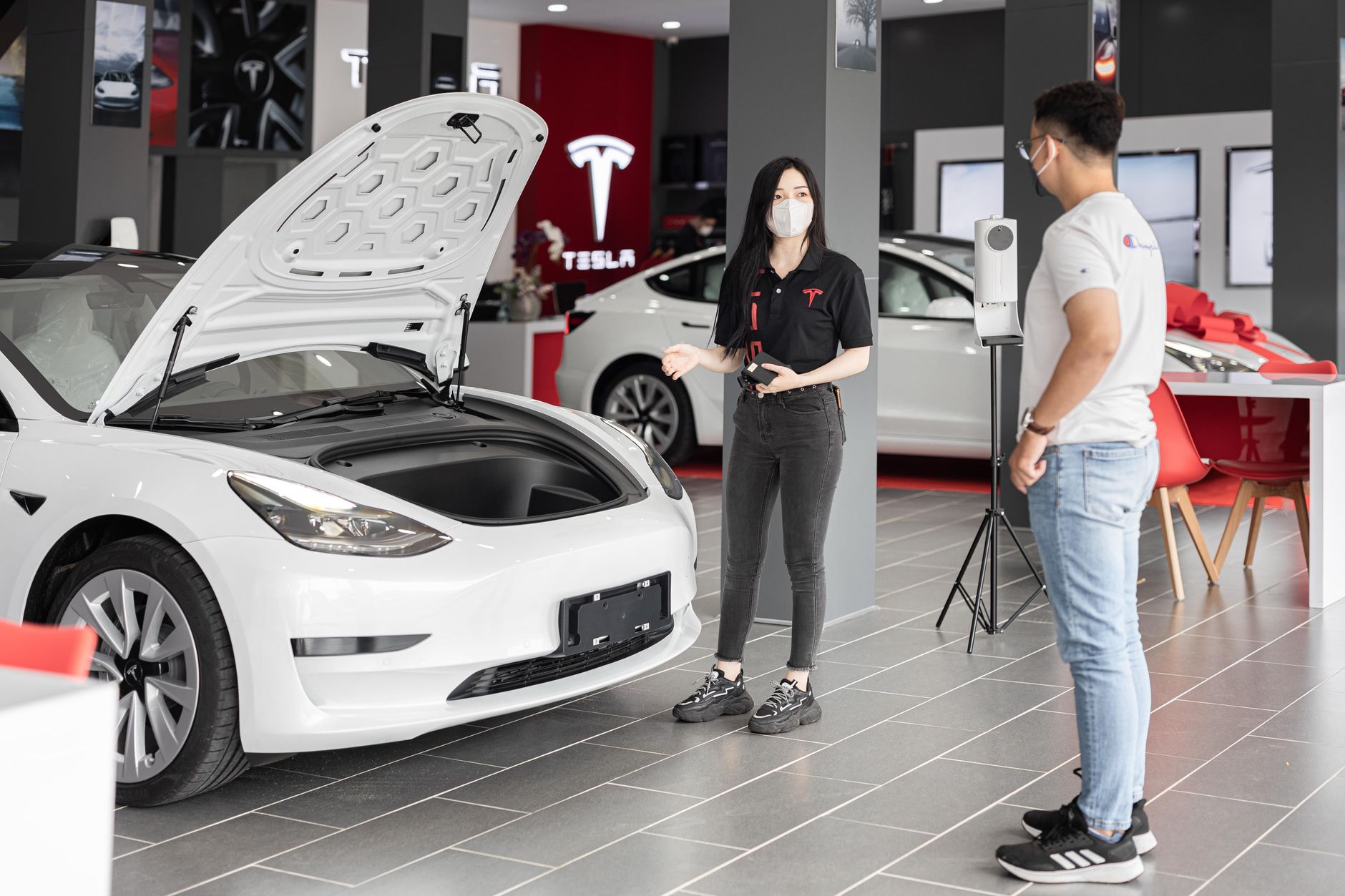
The global automotive landscape is currently experiencing a period of intense technological divergence. Automakers and energy companies alike are rethinking how vehicles are powered, how they shift, and how they fit into the lives of consumers. Recent developments highlight a market that is simultaneously pushing the boundaries of electric utility, exploring alternative combustion fuels, and refining traditional mechanical experiences.
Restructuring the American Electric SUV Market
In the United States, the electric vehicle market continues to evolve as manufacturers adjust their lineups to meet consumer demand for space and practicality. According to recent reporting from Car and Driver, a significant shift is underway at Tesla. The automaker is reportedly planning to introduce a long-wheelbase version of its highly popular crossover, designated as the Model Y L, to the American market.
This strategic move is designed to offer a more spacious, three-row SUV option for consumers. The arrival of the Model Y L follows the recent departure of the larger Model X from the brand's active forefront. By stretching the footprint of the existing Model Y, the company is attempting to fill the void left by the Model X without requiring consumers to step up to a substantially different vehicle platform.
The US market has long favored vehicles that can comfortably transport larger families while accommodating significant cargo. For buyers requiring higher passenger capacity, the three-row configuration presents a modernized approach to the electric family hauler. Furthermore, sharing parts across similar model platforms generally simplifies the supply chain, which remains crucial for scaling domestic electric vehicle production.
Rethinking Small EVs and Efficiency
While the US market often leans toward larger utility vehicles, innovations in smaller, ultra-efficient electric vehicles are occurring simultaneously. According to Autocar, energy giant Shell is rethinking the small electric car segment with a newly unveiled concept called the Triple10.
The Triple10 concept is intended to showcase a generational leap in several key areas of electric vehicle engineering:
- Weight reduction: Minimizing the mass of the vehicle to improve range, agility, and overall energy consumption.
- Charging speeds: Drastically reducing the time a vehicle needs to remain plugged into the grid.
- Overall efficiency: Maximizing the distance traveled per kilowatt-hour of energy utilized.
A primary driver of these improvements is a reported breakthrough in battery cooling technology. Effective thermal management is a critical hurdle in electric vehicle design. When a battery accepts a high-voltage charge, it generates significant thermal energy. By improving how the battery pack handles this heat, the Triple10 concept promises not only faster charging capabilities but also stronger environmental credentials over its operational lifespan.
The Frontier of Hydrogen Combustion
Beyond battery-electric propulsion, the pursuit of alternative fuels remains a focal point for engineers aiming to maintain the characteristics of internal combustion without the traditional carbon output. Hydrogen combustion technology, which burns hydrogen gas in a traditional engine block rather than converting it to electricity via a fuel cell, continues to be a battleground for automotive engineering records.
According to Jalopnik, the current land speed record for a hydrogen combustion car is actually held by a 22-year-old BMW. The German automaker set this major milestone two decades ago with a V12 engine, proving the viability of hydrogen as a high-speed performance fuel. However, this long-standing record is now facing a modern challenge. A new twin-engine vehicle has recently emerged on the scene, threatening to dethrone the aging BMW and push the boundaries of what hydrogen combustion can achieve in extreme land speed applications.
Preserving the Manual Transmission
While alternative fuels and electric motors dominate industry headlines, automotive engineers are still refining the traditional internal combustion and manual transmission experience. For driving enthusiasts, the mechanics of shifting gears remain a vital part of vehicle engagement.
Jalopnik recently detailed the mechanics behind "no-lift shift" technology in modern manual transmissions. Historically, keeping the accelerator fully depressed while shifting gears in a manual car would result in severe gear grinding, risking immediate and costly damage to the clutch or synchronizers.
The synchronizers in a transmission act as friction clutches that match the speed of the gear to the speed of the output shaft before the gears engage. High engine revolutions normally overwhelm these components. However, modern no-lift shift systems prevent this destructive outcome. By employing modern software and engine management, the vehicle allows the driver to shift gears without taking their foot off the gas pedal. This innovation preserves the longevity of the clutch and synchronizers while allowing for continuous power delivery and faster acceleration times.
The Return of Ultra-Exclusive Coachbuilding
Alongside mass-market electric utility and performance engineering, the ultra-luxury segment continues to thrive on exclusivity and striking design. British automaker Morgan is making a notable return to closed-roof vehicles, according to Autocar.
The company has introduced a stunning hard-top version of its Midsummer roadster. Originally created as a special project in collaboration with the legendary design house Pininfarina, the Midsummer has undergone an extensive redesign to accommodate a glass-topped roof. This new model represents Morgan's first hard-top offering in more than a decade. Underscoring its rarity and the intense craftsmanship involved, production of the Midsummer coupé will be strictly limited to just nine cars globally, catering to a highly select group of automotive collectors.
Key Takeaways
- Tesla is reportedly replacing the outgoing Model X in the US with a longer, three-row version of the Model Y to meet the demand for spacious electric SUVs.
- Energy giant Shell has introduced the Triple10 concept, showcasing battery cooling breakthroughs that promise a generational leap in EV charging speeds and efficiency.
- A 22-year-old BMW currently holds the land speed record for hydrogen combustion cars, though a new twin-engine challenger threatens to break the two-decade-old milestone.
- Modern manual transmissions utilize 'no-lift shift' software, allowing drivers to keep the gas pedal depressed during gear changes without frying the clutch or synchronizers.
- British automaker Morgan is returning to the hard-top market with an ultra-exclusive glass-topped Midsummer coupe, limited to just nine units worldwide.
Frequently asked questions
What is replacing the Tesla Model X in the US market?
According to reporting from Car and Driver, Tesla plans to introduce a long-wheelbase, three-row SUV known as the Model Y L to fill the void left by the departing Model X.
What is the Shell Triple10 concept?
The Shell Triple10 is an ultra-efficient small electric car concept that features a breakthrough in battery cooling technology, aiming to improve charging speeds, vehicle weight, and environmental impact.
How does 'no-lift shift' work in a manual car?
No-lift shift technology allows a driver to change gears without taking their foot off the accelerator. It uses modern engine management software to seamlessly match speeds and prevent traditional gear grinding, saving the clutch and synchronizers from damage.
- 01Car and Driver: Tesla Model Y L Coming to the U.S. as a More Spacious Three-Row SUV
- 02Autocar: Shell rethinks small electric cars with ultra-efficient concept
- 03Jalopnik: The Current Land Speed Record For Hydrogen Combustion Cars Is Held By A 22-Year-Old BMW
This editorial article was written by US News Desk's editorial desk using current reporting from the publishers above. All facts were grounded against these sources.