Identity Crisis and Nostalgia: What Massive Recalls and Shifting Retail Laws Signal for Honda’s Future
As the automaker wrestles with a 325,000-vehicle recall and shifting US dealership laws, Honda's look to its mechanical past highlights a pivotal industry crossroads.
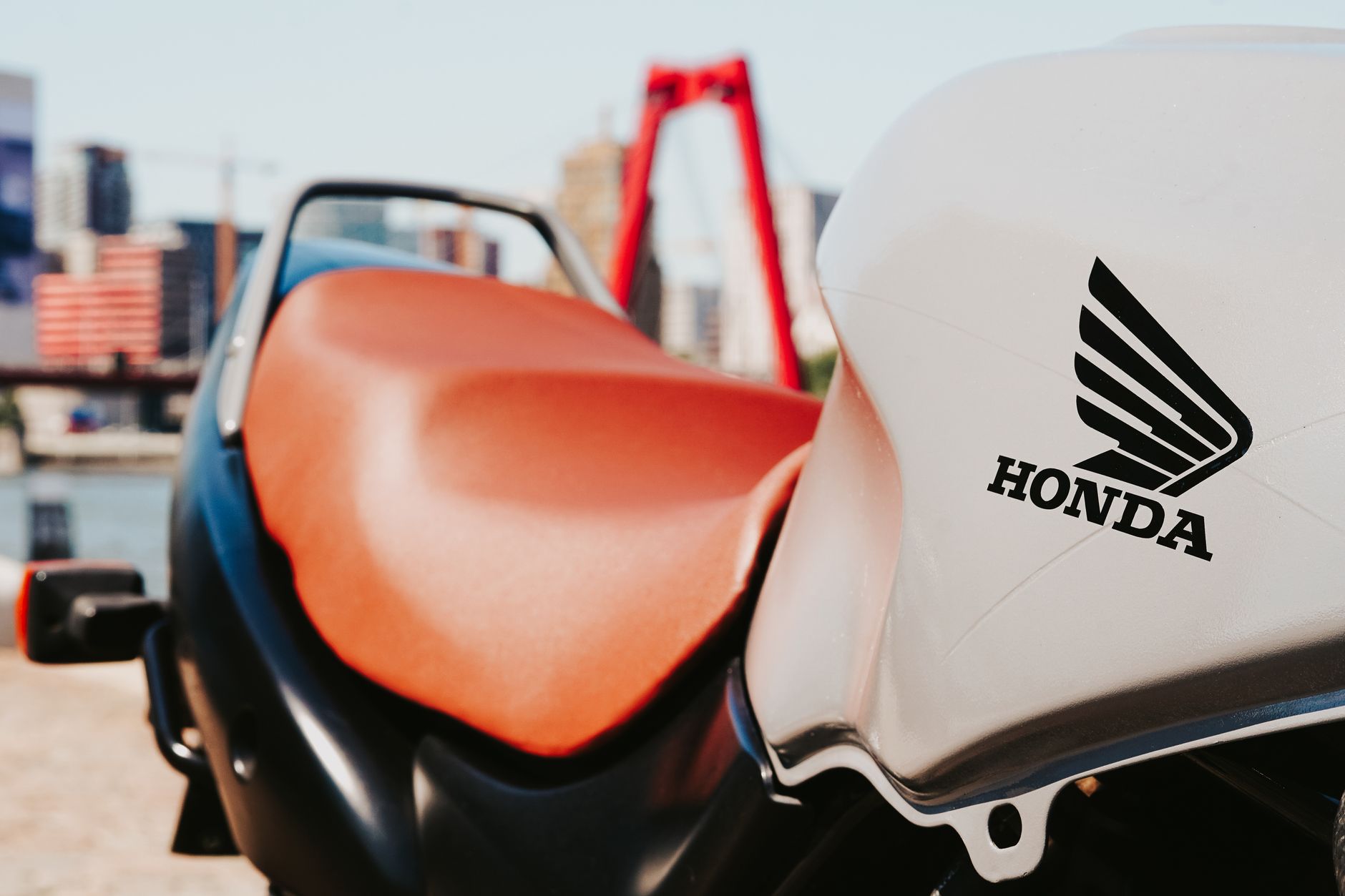
As the automaker wrestles with a massive 325,000-vehicle recall and shifting US dealership laws, Honda's look to its mechanical past highlights a pivotal industry crossroads.
The story so far
Astrophysicists recently delivered some unexpectedly optimistic news: according to new research, the Earth may avoid being swallowed by the sun when our star becomes unstable in roughly five billion years. Unfortunately for legacy automakers navigating the current United States market, their own existential threats are arriving on a much tighter timeline. Honda finds itself at a unique intersection of crisis and nostalgia this month, as the company initiates a sprawling recall of over 325,000 Honda Odyssey minivans due to critical manufacturing defects.
Simultaneously, the Japanese automaker is reportedly looking to its past to secure its future. Industry reports indicate Honda is actively considering a revival of the Honda Element, the quirky, boxy SUV that won a cult following in the 2000s. This retrospective gaze is further fueled by automotive media retrospectives deeply analyzing the key differences and legendary reliability of Honda's B-Series and D-Series VTEC engines—the very mechanical foundations that built the brand's sterling reputation in the United States decades ago.
This localized identity crisis at Honda is unfolding against a backdrop of severe turbulence in the broader automotive landscape. General Motors is currently watching its Chinese sales enter a state of absolute free fall, signaling an end to the era of easy overseas expansion. Domestically, the traditional automotive distribution model is under siege, highlighted by a new lawsuit from Washington state car dealers aiming to block Volkswagen’s Scout brand from utilizing a direct sales model. Even legacy truck competitors are struggling, with Stellantis desperately hoping its 2026 Ram lineup can finally break what industry analysts are calling a "seven-year self-inflicted bad luck streak."
Why this matters
The significance of this moment extends far beyond a single recall notice. For the South Asian diaspora and middle-class American families alike, the fundamental promise of a Honda—whether a compact Civic, a flagship Honda Pilot SUV, or a pragmatic Odyssey—has always been unimpeachable reliability. A recall impacting over 325,000 vehicles chips away at the armor of a brand that built its global empire on flawless manufacturing execution. Furthermore, the structural shifts in the industry cannot be ignored. With General Motors losing its grip on the crucial Chinese market and franchise dealers fighting tooth-and-nail in Washington state to protect their monopolies, legacy brands like Honda are facing an unprecedented squeeze. They must simultaneously manage the declining quality control of their immensely complex modern platforms while defending the traditional dealership networks that sell them.
Editorial analysis
To understand Honda's current predicament, we must examine the stark contrast between the automaker's mechanical legacy and its modern reality. In the 1990s and early 2000s, Honda engines were marvels of accessible, bulletproof engineering. The lightweight D-Series served as the economical workhorse of the commuter class, while the high-revving B-Series brought VTEC performance to the masses. These engine families represented the pinnacle of mechanical simplicity and durability, establishing a deep-seated trust among consumers that a Honda vehicle would simply never break down.
Today, modern family haulers like the Odyssey and the three-row Honda Pilot rely on immensely complex, modular architectures. They are effectively rolling computers, heavily dependent on sprawling global supply chains, millions of lines of proprietary code, and third-party electrical architectures. A recall of 325,000 units in 2026 reflects not necessarily a decline in Honda's core mechanical engineering prowess, but rather the inherent, unavoidable vulnerability of modern vehicle production. It is a sobering reminder that the era of the indestructible, set-it-and-forget-it vehicle has largely been replaced by the era of the software patch and the electronic sensor failure. This is precisely why the potential revival of the Honda Element is so fascinating; it suggests that Honda's leadership recognizes a deep consumer fatigue with homogenous, overly complex crossovers, and sees value in returning to a distinct, utilitarian aesthetic.
Equally critical to Honda's future in the US is the ongoing retail war playing out in the Pacific Northwest. The lawsuit initiated by Washington state car dealers against the Scout brand's direct-to-consumer sales model is a pivotal bellwether for the entire industry. Honda relies entirely on the traditional franchise dealer network to move its inventory across North America. Dealerships are powerful, deeply entrenched political entities in local US politics, and they have historically relied on strict franchise dealer protections to outlaw the direct sales approach pioneered by Tesla.
If legacy automakers like Volkswagen (via Scout) succeed in breaking these legislative moats, the floodgates will open. Brands will increasingly look to bypass the dealership middleman to improve margins and control the customer experience. For a brand like Honda, which has spent half a century cultivating its sprawling US dealer network, a shift toward direct sales would require a total restructuring of its American business model. It is a fascinating dichotomy: at the ultra-luxury end of the spectrum, brands are finding success by leaning into traditional excess—such as the 2027 Mercedes-Maybach S580 utilizing a flat-plane V-8 to offer what reviewers call "surprising value" for tight-fisted billionaires. Yet, in the mainstream consumer market where Honda operates, every traditional assumption about how cars are built, styled, and sold is being aggressively challenged.
What to watch next
For consumers, investors, and industry observers tracking Honda's trajectory and the broader automotive market, several key developments will require close monitoring in the coming months:
- NHTSA regulatory actions: Watch for any expansion of the 325,000-unit Odyssey recall, and whether the National Highway Traffic Safety Administration investigates shared components in other platform-mates like the Honda Pilot or Acura MDX.
- The Washington state Scout litigation: Judicial rulings in this case will set a crucial legal precedent regarding whether legacy automakers can spin off new brands to legally bypass franchise dealer protections.
- Honda Element official announcements: Pay attention to upcoming North American auto shows to see if Honda officially greenlights the Element revival, which would signal a major shift in their design language strategy.
- General Motors' China strategy: As GM's sales continue to plummet in China, watch for restructuring announcements that could force the automaker to pivot its volume expectations back to the fiercely competitive North American market.
For global readers
For our global diaspora audience, particularly those observing the market from India, the current friction in the US automotive retail sector offers a striking contrast to South Asian market dynamics. In India, automakers like Maruti Suzuki and Hyundai operate massive, highly controlled dealership networks (such as Maruti's Nexa and Arena showrooms). However, the Indian regulatory environment does not feature the same rigid, politically fortified franchise laws that legally prohibit direct-to-consumer sales in many US states. Furthermore, the perception of the Honda brand itself differs significantly across borders. While Honda is viewed in the US primarily as a purveyor of high-volume SUVs and minivans like the CR-V, Pilot, and Odyssey, its Indian market identity remains heavily anchored by premium sedans like the City and compact urban SUVs like the Elevate. Watching Honda navigate massive logistical recalls in its SUV-heavy US market provides a stark lesson in the challenges of scaling complex vehicular platforms globally.
The bottom line
Honda is currently standing at a vital crossroads, forced to balance the heavy logistical burden of modern platform recalls with a powerful consumer desire for the mechanical simplicity and distinct styling of its past. As the very legal foundation of how cars are sold in America faces unprecedented legal challenges, the automaker must prove that the legendary reliability of its past was not just a product of a simpler era, but a foundational ethos it can successfully adapt for an increasingly complex future.
Key Takeaways
- Honda is currently managing a massive recall of over 325,000 Odyssey minivans, highlighting the severe quality-control challenges inherent in modern vehicle manufacturing.
- The automaker is reportedly considering reviving the boxy Honda Element SUV, signaling a potential strategic pivot toward nostalgic, utilitarian design.
- Washington state car dealers are actively suing to block the Scout brand's direct-to-consumer sales model, a legal battle that threatens the traditional franchise network Honda relies upon.
- General Motors' plummeting sales in China serve as a stark warning to all legacy automakers about the rapid evaporation of entrenched global market share.
- The legendary reliability of Honda's historic B-Series and D-Series engines stands in sharp contrast to the software and sensor vulnerabilities of its modern family vehicles.
Frequently asked questions
How many vehicles are impacted by the recent Honda recall?
Honda has issued a recall affecting over 325,000 Honda Odyssey minivans due to critical manufacturing and component defects.
Is the Honda Element coming back?
While not officially confirmed for production, industry reports indicate that Honda is seriously considering a revival of the Honda Element to capitalize on demand for distinctive, utilitarian SUVs.
Why are car dealers suing the Scout brand?
Franchise car dealers in Washington state are suing the Volkswagen-backed Scout brand over its plan to use a direct-to-consumer sales model, which dealers argue violates established state franchise protection laws.
- 01Road & Track: Tested: 2027 Mercedes-Maybach S580 Combines Ultra-Luxury with Surprising Value
- 02Jalopnik: Ram's Solid 2026 Could Break Stellantis' Seven-Year Self-Inflicted Bad Luck Streak
- 03Motor1: Is The Honda Element Returning? Here's Everything We Know
- 04Wired: Good News! Turns Out the Earth Will Never Be Swallowed by the Sun
This editorial article was written by US News Desk's editorial desk using current reporting from the publishers above. All facts were grounded against these sources.