The End of the Starter Car: Nissan Versa and America's Mobility Crisis
As automakers prioritize luxury EVs and high-margin SUVs, the demise of affordable cars like the Versa signals a shift in American mobility.
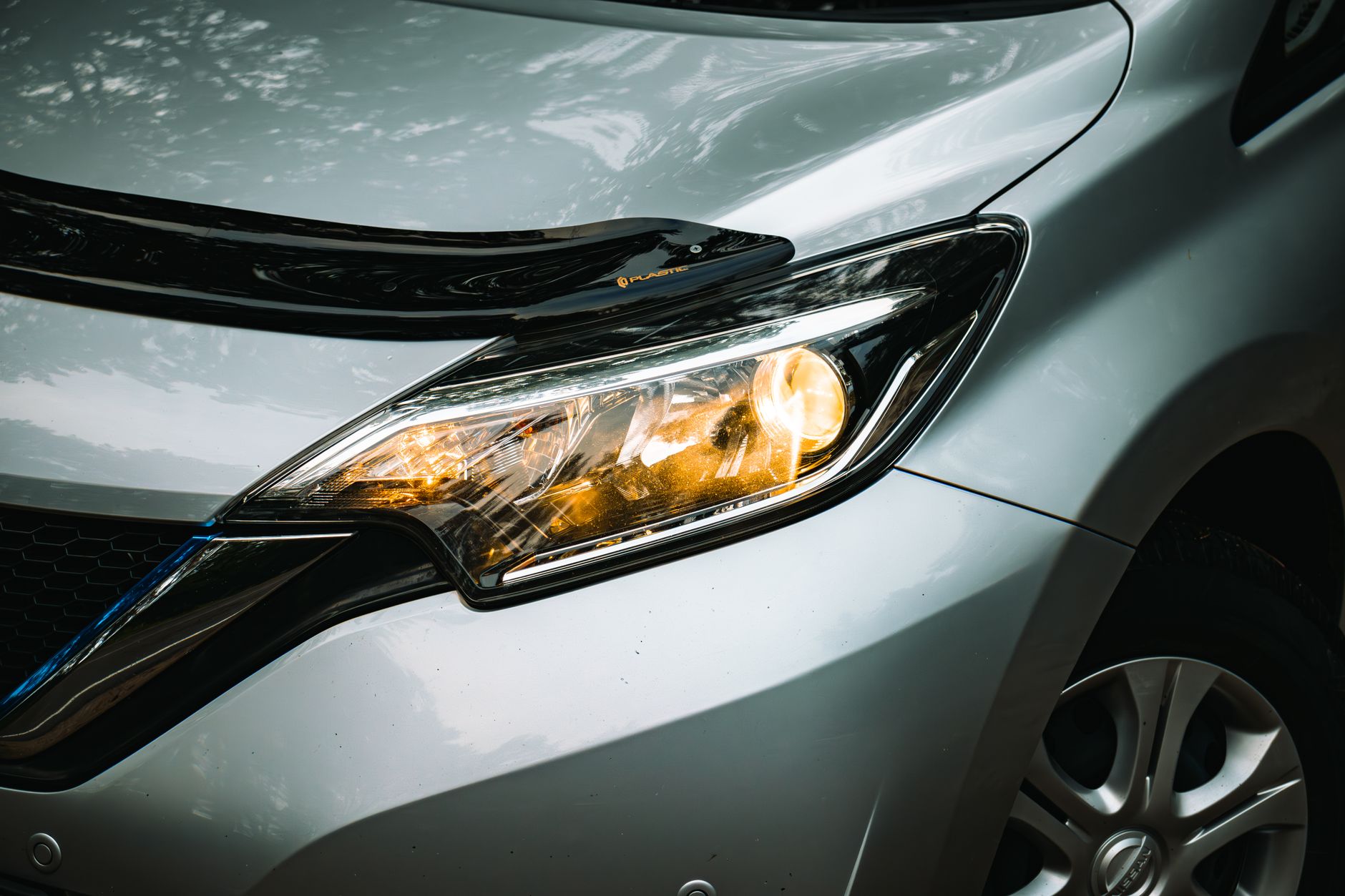
As automakers prioritize luxury EVs and high-margin SUVs, the potential demise of the Nissan Versa signals a profound shift in American mobility that leaves entry-level buyers behind.
The story so far
The automotive news cycle in early July 2026 is dominated by staggering extremes, highlighting a deeply bifurcated industry. On one end of the spectrum, enthusiast and luxury publications are chronicling the debut of ultra-premium, status-defining vehicles. As reported by Road & Track, Mercedes-Benz is currently rolling out the 2027 Mercedes-Maybach S580, boasting a new flat-plane V-8 engine that aims to entice ultra-wealthy buyers away from the flagship V-12 model. Simultaneously, Motor1 highlights the return of the Pagani Huayra, an exclusive, roofless special edition featuring a gated shifter built to celebrate founder Horacio Pagani’s 70th birthday. Against this backdrop of unapologetic opulence and high-end engineering, quiet conversations continue about the fate of the absolute opposite end of the market: the humble Nissan Versa.
The Versa remains one of the absolute last sub-$20,000 new cars available for purchase in the United States. While Nissan has not officially confirmed the permanent death of the Versa for the upcoming model years, industry analysts and supply chain observers widely expect the subcompact sedan to be discontinued as the automaker reallocates factory resources toward its electrification strategy and vastly more profitable crossover SUVs. If realized, this represents the final chapter of a decades-long American automotive tradition—the cheap, reliable, entry-level starter car.
Yet, Nissan’s pivot toward an electrified, higher-margin future is not without its own perilous roadblocks. As the company attempts to transition legacy buyers from affordable combustion cars to zero-emission vehicles, it faces severe geopolitical headwinds. Autocar reports that the Society of Motor Manufacturers and Traders (SMMT) in the UK has warned of a critical threat to the electric vehicle manufacturing industry due to an impending tariff cliff edge. Strict European Union rules of origin threaten the immediate competitiveness of key export models like the Nissan Leaf, alongside the upcoming Range Rover Electric and Bentley Torcal. The ongoing struggle to keep the Leaf viable in Europe highlights the massive logistical and financial hurdles automakers face when abandoning cheap, localized combustion platforms for complex, globally sourced EV supply chains.
Why this matters
The gradual phasing out of entry-level vehicles like the Nissan Versa matters because it fundamentally alters the socioeconomic ladder of American transportation. The current base price of a Nissan Versa hovers just under the $17,000 threshold, making it an essential lifeline for first-time buyers, credit-building consumers, and working-class families who cannot absorb the financial shock of a volatile used-car market. With the average transaction price of a new vehicle in the United States hovering dangerously close to $48,000, the extinction of the sub-$20,000 segment represents a systemic failure to provide affordable, warrantied mobility. For new immigrants, international students, and young professionals arriving in the US, the inability to purchase a reliable, low-cost new car forces a dangerous reliance on predatory used-car loans with exorbitant interest rates. When automakers prioritize six-figure Maybachs and resource-heavy luxury EVs over accessible sedans, they are effectively pricing a significant portion of the population out of new-car ownership entirely.
Editorial analysis
To fully grasp the implications of the Nissan Versa’s existential crisis, we must look at the broader "barbell" economy shaping the global automotive industry today. At one end of the barbell, we have ultra-luxury and high-performance novelties catering to a tiny fraction of the global elite. At the other, we have an aggressive, heavily subsidized push toward premium electrification, exemplified by the upcoming September 2 launch of the new Polestar 4 crossover. According to Autocar, this "more versatile" iteration will boast 536 brake horsepower and nearly 400 miles of range, aimed squarely at affluent buyers currently shopping for a BMW iX3 or a Mercedes-Benz GLC Electric. Automakers are collectively discovering a blunt economic truth: engineering a heavy, battery-laden SUV and selling it for upwards of $60,000 yields vastly superior corporate profit margins than assembling lightweight, fuel-efficient sedans for the working class.
This creates a fascinating, if deeply troubling, paradox in our approach to environmentalism and corporate sustainability. While climate advocates rightly push for zero-emission vehicles, the execution by major legacy automakers is heavily skewed toward resource-intensive excess. A 536-horsepower electric luxury crossover requires an enormous battery pack, reliant on complex, ecologically taxing global supply chains for lithium, cobalt, and nickel. Meanwhile, lightweight combustion cars like the Nissan Versa—which routinely achieve close to 40 miles per gallon on the highway with a minimal raw material footprint—are being systematically eradicated. Even as we celebrate micro-level environmental victories, such as NASA transferring a rare tract of Maryland woodland to the US Fish and Wildlife Service to preserve natural habitats (as noted by Engadget), we are simultaneously allowing our macroeconomic automotive landscape to become heavier, vastly more expensive, and structurally exclusionary to the working class.
Furthermore, Nissan’s own strategic tightrope walk illustrates the immense corporate risk of this market transition. The company is actively allowing its entry-level ICE products to wither while betting heavily on a global EV market that remains highly sensitive to regulatory whims and international trade disputes. The UK’s stark warning regarding the Nissan Leaf and EU rules of origin demonstrates that the electric future is not merely an engineering challenge; it is a geopolitical minefield. If impending tariffs render affordable EVs like the Leaf uncompetitive across European borders, and automakers simultaneously kill off cheap combustion cars like the Versa at home, the resulting vacuum will leave millions of middle- and lower-income consumers entirely stranded. The auto industry is gambling that the bottom of the market will simply accept whatever overpriced, heavily financed crossover trickles down to them in five years, but this assumption dangerously ignores the breaking point of middle-class consumer debt.
What to watch next
- Nissan’s official production timelines: Pay close attention to upcoming quarterly earnings calls and product lifecycle announcements from Nissan North America. Any official confirmation regarding the cessation of Versa production at their manufacturing facilities will mark a definitive turning point for the brand’s entry-level market strategy.
- The UK and EU tariff negotiations: The looming deadline for the European Union's rules of origin could drastically alter the pricing structure of exported EVs. If a diplomatic compromise is not reached quickly, the sudden imposition of 10 percent tariffs could cripple the market viability of the Nissan Leaf and other British-built EVs, forcing a localized manufacturing rethink.
- The launch and uptake of mid-tier premium EVs: As the Polestar 4 launches this September to aggressively rival the BMW iX3, track its sales performance in the US and European markets. The success or failure of these expensive crossovers will indicate whether the consumer appetite for high-horsepower electric SUVs has finally hit a saturation point amidst persistent inflation.
For global readers
For the global South Asian diaspora, and particularly observers in India, the US market’s abandonment of the subcompact car offers a jarring contrast to domestic automotive realities. In India, the entry-level hatchback and sub-four-meter sedan—dominated by mainstays like the Maruti Suzuki Swift, the Hyundai Grand i10 Nios, and the Tata Tiago—are the undisputed lifeblood of the nation’s mobility network. These vehicles, often priced well under the equivalent of $10,000, are viewed not as low-margin burdens by their manufacturers, but as essential tools for upward economic mobility, bringing millions of families into the middle class every year. Indian automakers have mastered the delicate art of extracting reliable profitability from high-volume, low-cost vehicles, whereas American subsidiaries have largely surrendered this space to focus almost exclusively on the lucrative SUV and truck segments. For an Indian expatriate or student arriving in the United States today, the realization that an affordable, simple "starter car" like the Nissan Versa is essentially an extinct species serves as a stark, unforgiving introduction to America's highly polarized, debt-driven consumer culture.
The bottom line
The potential demise of the Nissan Versa is far more than just a footnote in a quarterly product reshuffle; it is a glaring indicator of an automotive industry that has lost interest in outfitting the working class. While international headlines are effortlessly captured by roofless Pagani hypercars, ultra-luxury Maybachs, and heavy, long-range electric SUVs, the quiet erasure of the sub-$20,000 car fundamentally alters the fabric of American independence. If the future of transportation requires consumers to leverage themselves into decades of inescapable debt just to secure a basic, reliable daily commute, the industry’s transition away from affordable, efficient internal combustion engines may ultimately be remembered not as a triumph of technological innovation, but as a devastating crisis of accessibility.
Key Takeaways
- The Nissan Versa remains one of the last sub-$20,000 new vehicles in the US, but faces likely discontinuation as automakers pivot to SUVs.
- Automakers are aggressively shifting focus to high-margin luxury vehicles and premium EVs, sidelining entry-level buyers.
- Nissan's EV transition faces geopolitical hurdles, with UK and EU tariffs threatening the export competitiveness of the Nissan Leaf.
- The erasure of lightweight compact cars creates an environmental paradox as the market shifts to resource-heavy, 500+ horsepower electric SUVs.
- Unlike the US, markets like India continue to thrive on affordable sub-four-meter hatchbacks that actively facilitate upward economic mobility.
Frequently asked questions
Is the Nissan Versa being discontinued in the US?
While Nissan has not issued a final timeline for the current model year, industry analysts widely expect the Versa to be phased out as the brand pivots toward high-margin crossovers and electric vehicles.
How are UK and EU tariffs affecting Nissan's EV plans?
Impending European Union rules of origin threaten to impose strict tariffs on UK-built electric vehicles, which the SMMT warns could severely impact the competitiveness and pricing of the Nissan Leaf.
What are the alternatives for sub-$20,000 cars in the US?
The options are critically low, with the Mitsubishi Mirage being one of the only other true sub-$20,000 vehicles, though it too is facing industry phase-outs in favor of more expensive crossover platforms.
- 01Road & Track: Tested: 2027 Mercedes-Maybach S580 Combines Ultra-Luxury with Surprising Value
- 02Autocar: UK warns of critical threat for EVs as tariff cliff edge looms
- 03Motor1: The Pagani Huayra Returns With A Gated Shifter And No Roof
- 04Engadget: NASA transfers ownership of Maryland woodland to the US Fish and Wildlife Service
This editorial article was written by US News Desk's editorial desk using current reporting from the publishers above. All facts were grounded against these sources.