The Solid-State Frontier: MIT’s Battery Breakthrough and the Splintering Global EV Race
A critical solution to solid-state battery degradation could reshape the American automotive landscape and redefine international supply chains.
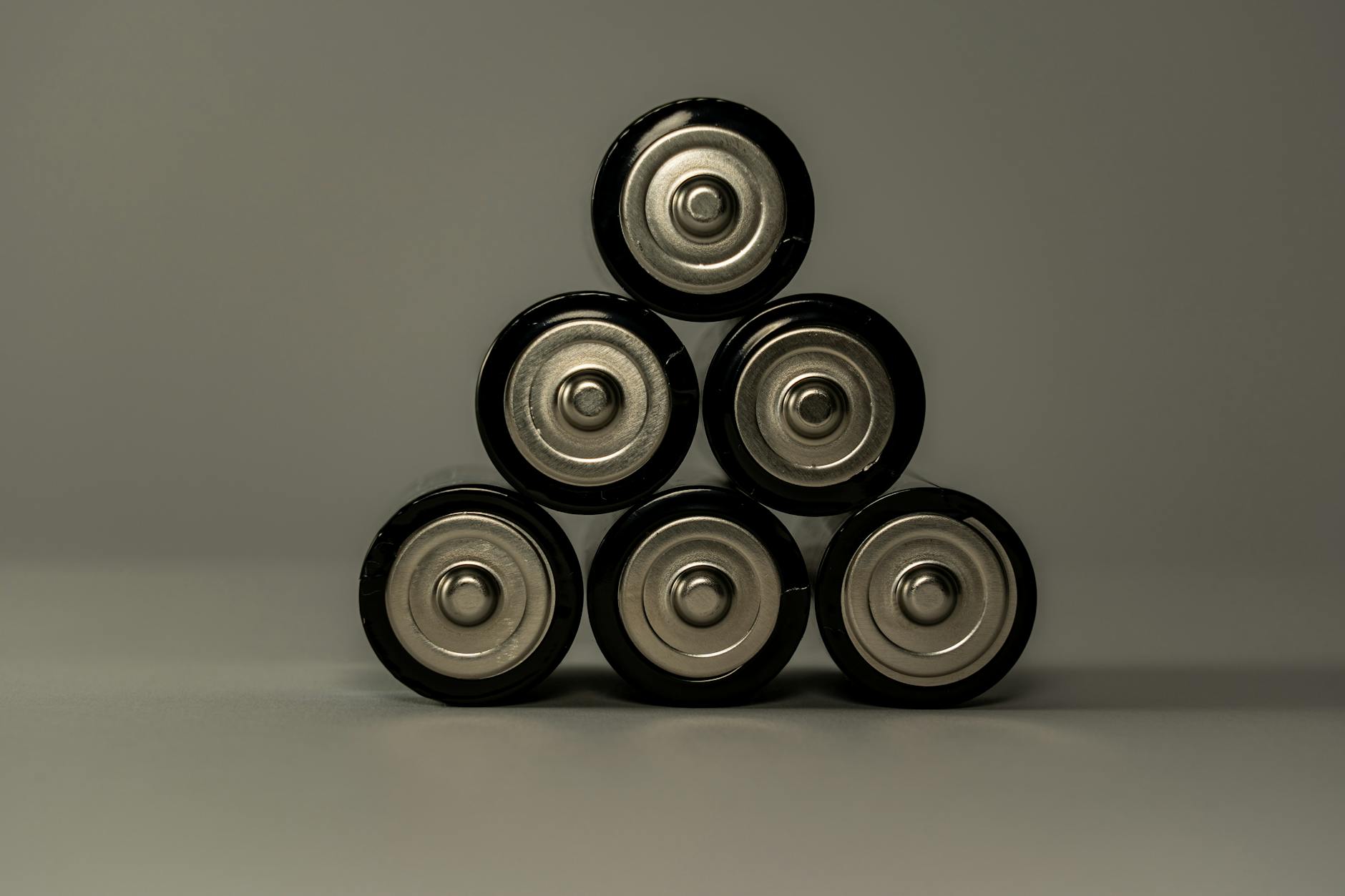
A critical solution to solid-state battery degradation could reshape the American automotive landscape and redefine international supply chains.
The story so far
The American automotive landscape is currently navigating a precarious transition, caught between the limits of existing technology and an increasingly fractured global marketplace. For years, the defining metric of electric vehicle success has been endurance. As automotive publications like Car and Driver have consistently reported in their exhaustive testing of the longest-range electric cars, automakers have been pushing traditional lithium-ion battery chemistry to its absolute physical limits in an effort to eliminate consumer range anxiety. However, squeezing more miles out of these conventional battery packs generally requires making the vehicles heavier and more expensive, creating a paradox that has stymied broader mass-market adoption.
Simultaneously, the geopolitical realities of vehicle manufacturing are shifting the availability of new models. According to recent industry reporting from Road & Track on July 7, 2026, the global EV market is beginning to splinter along regional and regulatory lines. The upcoming 2027 model year Polestar 4 SUV, slated for a September 2 market debut in various international territories, highlights this divide. While the rest of the world will gain access to this highly anticipated vehicle, U.S. buyers may find themselves locked out—a direct consequence of complex international trade dynamics and tariff structures that are actively reshaping what American consumers can park in their driveways.
Against this backdrop of engineering bottlenecks and supply chain isolation, a major scientific development has emerged from American academia. Researchers at the Massachusetts Institute of Technology (MIT) have announced a breakthrough in the development of solid-state batteries, long considered the holy grail of automotive energy storage. As detailed by InsideEVs, the MIT team has successfully identified a solution to the fatal flaw that has plagued solid-state technology for a decade: the formation of microscopic metal spikes, known as dendrites, which inevitably pierce the battery's internal structures and cause catastrophic short circuits.
Why this matters
To understand the magnitude of the MIT breakthrough, one must look at the fundamental architecture of modern energy storage. Conventional lithium-ion batteries rely on a liquid electrolyte to ferry ions back and forth during charging and discharging. This liquid is volatile, flammable, and fundamentally limits how densely energy can be packed. Solid-state batteries replace this liquid with a solid ceramic or polymer material, theoretically allowing for energy densities to double—pushing past the current ceiling of around 250 watt-hours per kilogram (Wh/kg) to well over 400 Wh/kg. Until now, the primary roadblock has been dendrite formation; these tiny metal stalagmites grow with each charge cycle until they bridge the gap between electrodes, killing the battery instantly. By engineering a novel way to suppress these metallic spikes, the MIT researchers have effectively removed the most stubborn technical barrier to commercialising a technology that promises lighter vehicles, drastically reduced fire risks, and a charging process that takes minutes rather than hours.
Editorial analysis
The transition from academic breakthrough to industrial-scale manufacturing is often referred to in Silicon Valley and legacy automotive circles as the "valley of death." For American battery technology companies, this valley is particularly deep. Discovering a chemical solution to dendrite growth in a controlled laboratory environment in Cambridge, Massachusetts, is merely the opening gambit. The true challenge lies in scaling this precise material science into a mass-production ecosystem that can spit out millions of flawless battery cells a year. American start-ups in this space, such as QuantumScape and Solid Power, have spent billions of dollars attempting to bridge this gap. The MIT research provides a crucial open-source foundation, but the race is now on to see which corporate entity can successfully integrate these findings into their proprietary manufacturing lines without driving up capital expenditures to unsustainable levels.
Furthermore, this technological leap is fundamentally entangled with national security and trade policy. The situation with the Polestar 4—a vehicle backed by Chinese automotive giant Geely, which finds itself on the wrong side of American import realities—is a bellwether. The United States government, through aggressive legislative frameworks like the Inflation Reduction Act (IRA), is attempting to on-shore critical supply chains and break a decades-long reliance on Chinese battery dominance. Currently, the global market is saturated with highly efficient, cost-effective Lithium Iron Phosphate (LFP) batteries championed by Asian manufacturers. For the U.S. automotive industry to genuinely leapfrog its geopolitical rivals, it cannot merely compete on legacy technology; it must own the next generation of intellectual property. Perfecting the solid-state battery on American soil is perhaps the most vital industrial imperative of the decade, ensuring that domestic automakers can offer superior range and safety profiles without relying on foreign-controlled battery chemistries.
For the South Asian diaspora, particularly the dense concentration of engineers, materials scientists, and technology executives working across the U.S. innovation hubs, this pivot represents a massive economic and professional shift. Immigrant talent has historically been the backbone of American hardware and materials engineering. The aggressive expansion of domestic battery manufacturing facilities—colloquially known as "gigafactories"—stretching from Nevada to the Rust Belt requires a highly specialised workforce. This sector's growth is driving a new wave of demand for advanced degrees in chemical engineering and electrochemistry, directly impacting the pipeline of H-1B visas and green card allocations in the STEM fields. The success of American solid-state commercialisation will rely heavily on this global talent pool navigating a complex U.S. immigration system.
What to watch next
As the industry digests the implications of the MIT research and navigates the ongoing bifurcation of the global auto market, several critical developments will dictate the pace of change over the next 18 to 24 months:
- Original Equipment Manufacturer (OEM) investments: Watch for legacy automakers—particularly Ford, General Motors, and Stellantis—to announce new rounds of strategic funding or joint ventures specifically aimed at integrating the dendrite-suppression techniques into their future supply chains.
- Escalating trade barriers: Keep a close eye on U.S. regulatory agencies and tariff announcements. The absence of models like the Polestar 4 in the American market may become the norm rather than the exception as trade policies heavily penalise EVs that utilise foreign battery materials.
- Commercialisation timelines from pure-play battery firms: Publicly traded American battery start-ups will face intense scrutiny during their upcoming quarterly earnings calls. Analysts will demand concrete timelines on when solid-state prototype cells (often referred to as A-samples or B-samples) will achieve the thousands of stable charge cycles required for automotive qualification.
For global readers
The implications of American solid-state battery development extend far beyond U.S. borders, holding particular resonance for emerging economies like India. Currently, India is orchestrating its own aggressive transition to electric mobility, heavily incentivised by government initiatives like the Production Linked Incentive (PLI) scheme for Advanced Chemistry Cells (ACC). However, the Indian EV market is fundamentally different from the West, dominated by two-wheelers and three-wheelers where space is at a premium and thermal management in extreme heat is a matter of life and death. Traditional lithium-ion batteries are highly sensitive to high ambient temperatures, increasing the risk of thermal runaway. If solid-state technology can be commercialised and scaled, resulting in robust technology transfer agreements, it could allow Indian manufacturers to leapfrog current supply chain bottlenecks entirely. A battery that does not require heavy, complex liquid cooling systems and is immune to dendrite-induced short circuits is perfectly suited for the rigorous demands of the South Asian climate and urban infrastructure.
The bottom line
The resolution of the dendrite problem by MIT researchers is not merely an academic triumph; it is the starter pistol for the final phase of the automotive revolution. As international trade barriers threaten to isolate consumer markets—leaving Americans waiting for vehicles that the rest of the world is already driving—the mandate for U.S. technological supremacy has never been clearer. For the global engineers building this future and the international markets waiting to adopt it, the shift from liquid to solid batteries represents the most significant leap in personal transportation since the invention of the internal combustion engine.
Key Takeaways
- MIT researchers have successfully solved the problem of dendrite formation, removing a massive barrier to the commercialisation of solid-state batteries.
- Solid-state batteries promise to vastly increase electric vehicle range and eliminate fire risks by replacing flammable liquid electrolytes with solid materials.
- Global EV markets are fracturing, evidenced by the 2027 Polestar 4 launching internationally but remaining largely unavailable to American buyers due to trade complexities.
- The push for American dominance in next-generation battery IP is a national security priority designed to break reliance on foreign, particularly Asian, supply chains.
- The breakthrough offers immense potential for hot-climate emerging markets like India, where solid-state technology could provide safer, uncooled batteries for two-wheelers.
Frequently asked questions
What is a dendrite in the context of batteries?
A dendrite is a microscopic, needle-like metallic spike that forms on a battery's anode during charging. Over time, these spikes can grow long enough to pierce the battery's internal separator, causing a short circuit and potentially starting a fire.
Why are solid-state batteries better than current EV batteries?
Solid-state batteries use a solid electrolyte instead of a liquid one. This allows them to hold more energy in a smaller footprint (increasing driving range), charge significantly faster, and drastically reduce the risk of fire.
Why is the Polestar 4 SUV delayed or unavailable for American buyers?
The fractured global EV supply chain and increasingly strict US tariff and regulatory frameworks aimed at imported vehicles and foreign battery components are making it difficult for models like the Polestar 4 to launch competitively in the American market.
- 01Car and Driver: Longest-Range Electric Cars We've Ever Tested
- 02Road & Track: Backdrop Brings Porsche's Most Iconic Colors to Your Home in New Collab
- 03InsideEVs: This Flaw Keeps Sabotaging Solid-State Batteries. Scientists Found A Solution
This editorial article was written by US News Desk's editorial desk using current reporting from the publishers above. All facts were grounded against these sources.