Botnets, Big Tech, and the Fight for Digital Sovereignty
The FBI's recent botnet takedown and Meta's quiet data extraction highlight a growing crisis of digital sovereignty for everyday consumers.
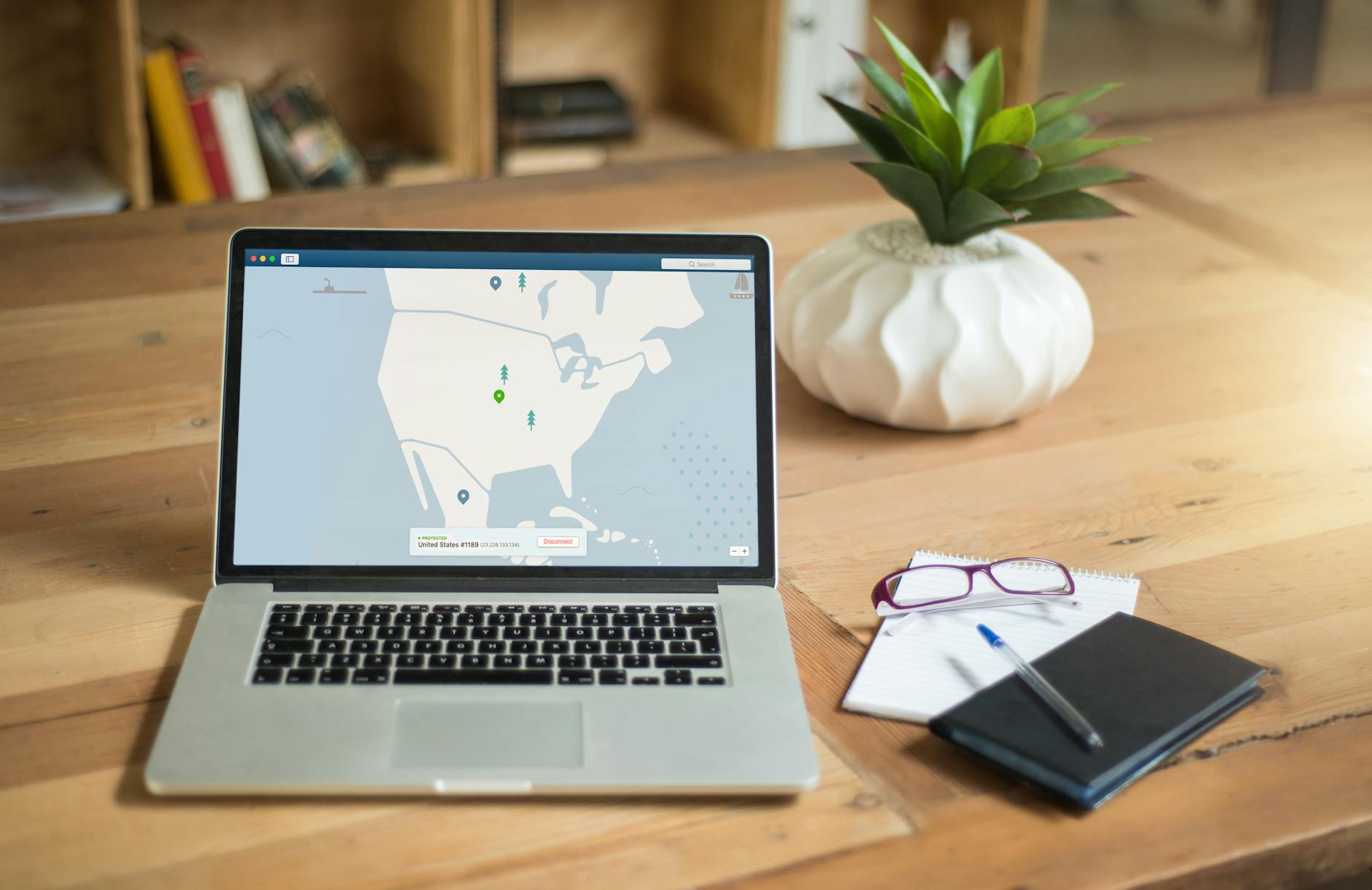
The FBI's recent botnet takedown and Meta's quiet data extraction highlight a growing crisis of digital sovereignty for everyday consumers.
The story so far
In the dog days of July 2026, the American digital landscape finds itself squeezed between two seemingly disparate, yet deeply connected, technological reckonings. On one front, federal authorities have intervened in a massive cybersecurity crisis operating right inside the living rooms of everyday citizens. As CNET has reported, Google and the Federal Bureau of Investigation (FBI) recently launched a coordinated takedown of a sprawling botnet that had quietly hijacked millions of low-cost, off-brand Android devices. These compromised smart home appliances—ranging from budget television set-top boxes to connected security cameras—were systematically tethered together to mask the digital footprints of global cybercriminals.
Simultaneously, a wholly legal but equally pervasive extraction of consumer data is unfolding across our social media platforms. According to recent coverage by Gizmodo, Meta has rolled out a powerful new algorithmic image synthesis tool that leverages the faces of users with public Instagram accounts. The feature, which critics argue arrived late in the deployment cycle without meaningful proactive privacy protections, allows third parties to utilize real human likenesses to render synthetic media—often colloquially dismissed as digital slop. Users who wish to protect their biometric data must proactively navigate complex settings to opt out of the system.
Amidst this extraction of hardware bandwidth and software data, users are increasingly desperate for tools that simply function safely and respect their boundaries. Tech publications like ZDNet have highlighted the rising popularity of secure, cross-platform utilities—such as the Android app Blip—which allows effortless file sharing across Windows, Mac, and iOS ecosystems. Together, these events underscore a critical moment in consumer technology: a battle for control over our devices, our data, and our digital identities.
Why this matters
The intersection of these developments represents a profound shift in the economics of consumer technology. When millions of low-cost Android appliances are co-opted into a botnet, the damage extends far beyond a sluggish home internet connection. Cybercriminals covet residential IP addresses because they bypass traditional enterprise security filters, allowing illicit actors to orchestrate credential-stuffing attacks and financial fraud from what appears to be a legitimate suburban home network. Conversely, the extraction of biometric data by Meta underscores a billion-dollar corporate strategy where the user is the raw material. With over two billion active users across its family of apps, Meta’s decision to default public accounts into its synthetic media training pool normalizes the wholesale commodification of personal likenesses. Whether it is a rogue hacker siphoning your bandwidth or a publicly traded conglomerate harvesting your family photographs, the underlying reality is identical: the modern consumer is unknowingly subsidizing the digital economy with their personal assets.
Editorial analysis
This dynamic reveals a fundamental flaw in the foundational architecture of our modern internet ecosystem, one that demands rigorous editorial scrutiny. We are witnessing the normalization of a digital landscape where digital consent is treated as an afterthought, an inconvenience to be bypassed either through malicious code or dense terms of service agreements. The burden of protection has been entirely offloaded onto the individual consumer, who is expected to act as both a network security engineer and a data privacy lawyer just to safely participate in modern society.
Consider the economics of the compromised hardware targeted by Google and the FBI. The market for Internet of Things (IoT) devices is driven relentlessly by a race to the bottom on price. Consumers, squeezed by inflation and the rising costs of premium hardware, frequently turn to off-brand alternatives available on massive global e-commerce platforms. A generic Android TV box might retail for under thirty dollars, a fraction of the cost of higher-tier equivalents. However, that upfront discount masks a hidden, ongoing cost. Manufacturers of these budget devices operate with razor-thin margins, entirely stripping away the resources necessary for robust software architecture, security patching, or long-term firmware support. In many documented cases, these devices are manufactured and shipped with malware pre-installed directly into the supply chain.
When a consumer plugs one of these bargain devices into their home router, they are inadvertently installing a Trojan horse, transforming their private residential network into a node for a global cybercrime syndicate. The technical mechanics of this are insidious: banks and retailers explicitly trust web traffic coming from recognized consumer internet service providers. When a criminal routes an attack through a compromised smart plug in Ohio or Texas, the enterprise security system allows it through, recognizing it as a legitimate suburban connection. The user’s bandwidth, electricity, and IP reputation are silently strip-mined to facilitate fraud.
Parallel to this hardware exploitation is the software-layer extraction masterminded by Silicon Valley giants. Meta’s recent deployment of its algorithmic image creation engine serves as a prime example of corporate overreach cloaked as technological innovation. By scraping public Instagram accounts to fuel its rendering engines, Meta shifts the burden of privacy entirely onto the consumer. The architecture of this rollout is highly instructive: by defaulting to inclusion rather than requiring proactive affirmative permission, the company ensures it captures the vast majority of its user base. These are individuals who simply do not have the time, technical literacy, or awareness to bury themselves in nested privacy menus to toggle an opt-out switch. This approach transforms human faces, personal milestones, and cultural expressions into mere training fodder for synthetic media tools, eroding the boundary between public sharing and commercial exploitation. It pollutes the digital public square with algorithmic slop, making it increasingly difficult to discern authentic human cultural heritage from machine-rendered caricatures.
Yet, the persistent demand for user-centric, non-exploitative technology remains strong, highlighting a counter-narrative of consumer resilience. The enthusiastic reception of interoperability tools like Blip—bridging the notoriously walled gardens of Android, Windows, Mac, and iOS—proves that technology can still serve the user without operating as a parasitic entity. When developers focus on core utility, secure file transfer protocols, and seamless integration, they demonstrate that the tech industry does not inherently require predatory infrastructure vulnerabilities to turn a profit. The stark contrast between a utility built for the user's convenience and platforms designed to extract the user's resources has never been more apparent.
What to watch next
As regulatory bodies and consumer advocates respond to these systemic vulnerabilities, several key developments require close monitoring in the coming months:
- The Federal Trade Commission's impending guidelines on IoT security standards, which may mandate basic patching requirements for imported smart home appliances to prevent residential proxy exploitation.
- Class-action litigation surrounding Meta’s synthetic media rendering engine, as privacy advocates prepare legal challenges arguing that defaulting users into biometric harvesting violates emerging state-level data protection statutes.
- The expansion of cross-platform interoperability protocols, driven by utilities that seamlessly connect disparate operating systems as major tech walled gardens face increasing antitrust scrutiny from the Department of Justice.
- Subsequent joint operations by the FBI and private sector partners like Google, which are expected to target the upstream international supply chains of compromised hardware manufacturers.
For global readers
For the South Asian diaspora and global observers, this dual-front battle over data and bandwidth is deeply resonant, especially when viewed alongside India’s evolving technological framework. India is currently one of the largest and fastest-growing markets for both budget IoT hardware and Meta’s social media platforms. The influx of low-cost, off-brand electronics into the Indian subcontinent creates a massive, poorly secured attack surface, mirroring the exact botnet vulnerabilities currently being policed by the FBI in the United States. Concurrently, as India implements its sweeping Digital Personal Data Protection (DPDP) Act, the tension between corporate data extraction and citizen privacy is reaching a boiling point. Unlike the fragmented, state-by-state privacy laws in the US, India’s centralized regulatory approach offers a different model for enforcing algorithmic accountability. However, the sheer volume of digital citizens in the region means that if companies deploy synthetic rendering tools without strict localized safeguards, the potential for cultural and personal data misuse is exponentially magnified on the subcontinent.
The bottom line
The simultaneous exposure of our hardware to criminal botnets and our digital likenesses to corporate rendering engines proves that passive technology consumption is no longer a viable option. Consumers must actively audit their physical network appliances and their social media privacy settings, recognizing that in the modern digital economy, any resource left undefended—be it household bandwidth or a public photograph—will inevitably be claimed by another party.
Key Takeaways
- Google and the FBI recently dismantled a massive botnet that utilized millions of compromised, low-cost Android home devices to mask cybercriminal activity.
- Meta has introduced a new algorithmic image synthesis tool that leverages the likenesses of users with public Instagram accounts, placing the burden of privacy firmly on consumers via convoluted opt-out settings.
- The market for cheap Internet of Things (IoT) devices is plagued by poor security standards, effectively turning everyday consumers into unwitting proxies for global cybercrime.
- The popularity of cross-platform apps like Blip highlights a strong consumer desire for tech utilities that prioritize interoperability and user autonomy over data extraction.
- The regulatory divergence between the US's piecemeal privacy approach and India's centralized DPDP Act will significantly impact how global tech giants deploy algorithmic features moving forward.
Frequently asked questions
What is a residential proxy botnet?
A residential proxy botnet is a network of hijacked personal home devices (like smart TVs or security cameras) that cybercriminals use to route their malicious internet traffic. This masks their true location and makes their attacks look like they are coming from a legitimate home network, bypassing enterprise security filters.
How is Meta using public Instagram accounts?
According to recent reports, Meta is using photos from public Instagram accounts to fuel its new algorithmic image synthesis tools. Unless users proactively navigate their settings to opt out, their public likenesses can be utilized to render synthetic media.
Why are cheap smart home devices a security risk?
Off-brand, low-cost smart appliances are often manufactured with razor-thin profit margins, meaning developers cut costs on essential software security architecture and firmware updates. This makes them highly vulnerable to malware, and some are even shipped with malicious code pre-installed.
- 01CNET: Google and the FBI Target Massive Botnet That Quietly Used Home Devices to Mask Cybercrime
- 02Gizmodo: If You Have a Public Instagram Account, You Might Be Surprised What AI Users Can Now Do With Your Face
- 03ZDNet: This free Android app makes sharing files across Windows, Mac, and iOS so easy for me
- 04Autocar: Driving a £21 million Gullwing in the world's wildest classic race
- 05Road & Track: Tested: 2027 Mercedes-Maybach S580 Combines Ultra-Luxury with Surprising Value
This editorial article was written by US News Desk's editorial desk using current reporting from the publishers above. All facts were grounded against these sources.