From Luxury SUVs to Micro-EVs: The Bifurcation of North American Mobility
As traditional luxury SUVs face steep depreciation curves, a new wave of unregulated micro-mobility startups is redefining urban transport.
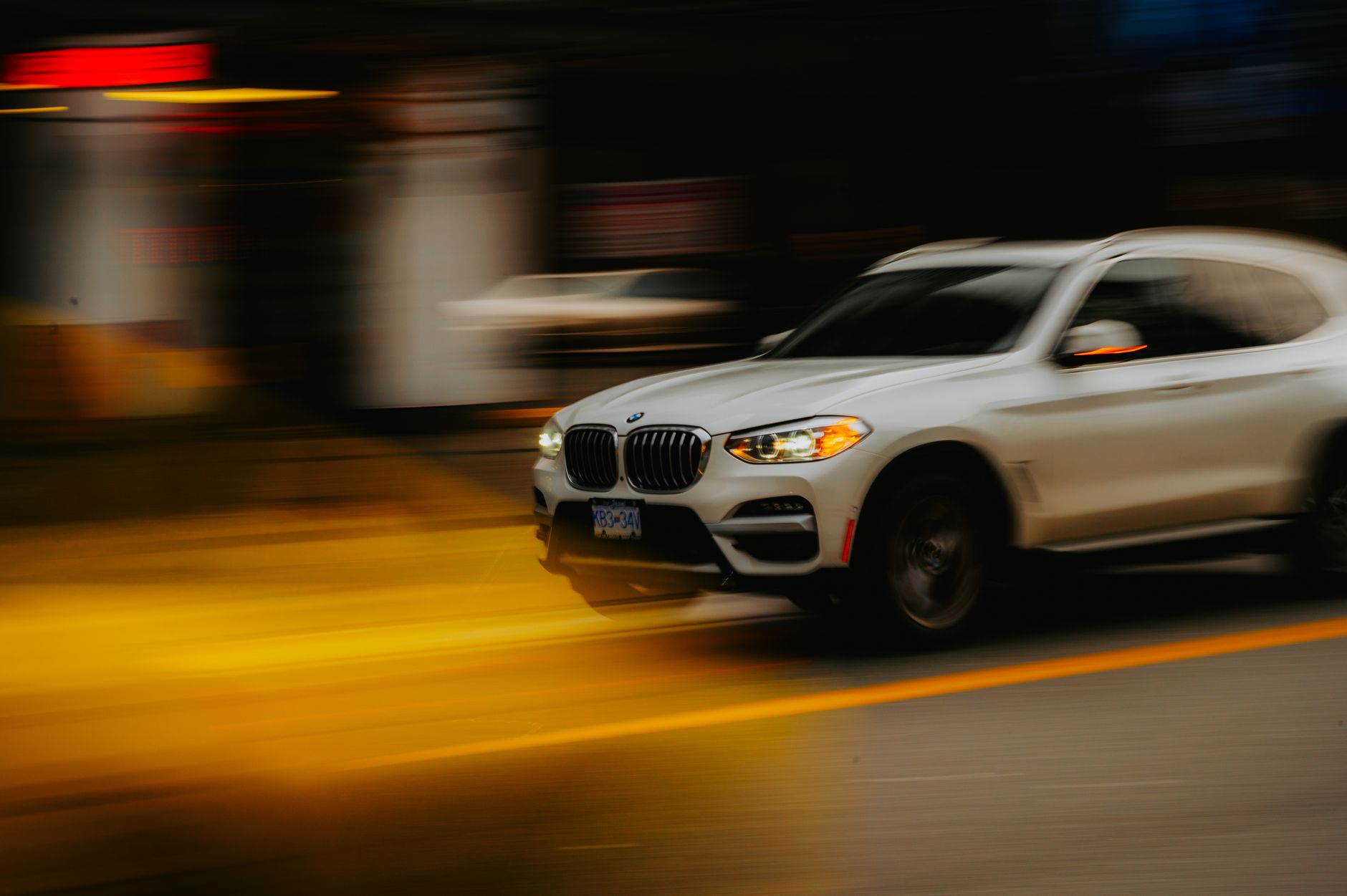
As traditional luxury SUVs face steep depreciation curves, a new wave of unregulated micro-mobility startups is redefining urban transport.
The story so far
The North American automotive market is experiencing a profound identity crisis, rapidly splitting into two extreme ends of the mobility spectrum. At one end, legacy automakers are grappling with the harsh economic realities of their internal combustion flagships. As Jalopnik has reported, models like the 2021 Lincoln Navigator L—the sprawling, extended-wheelbase sibling to the mid-size Lincoln Aviator—are demonstrating severe five-year depreciation curves. These massive, leather-lined utility vehicles, which frequently leave dealership floors carrying price tags well north of $90,000, are shedding residual value at a rate that is forcing both consumers and manufacturers to aggressively re-evaluate the long-term viability of traditional American luxury platforms.
At the absolute zenith of the internal combustion hierarchy, the story is slightly different but equally indicative of a fractured market. According to recent reviews from Road & Track, the upcoming 2027 Mercedes-Maybach S580 manages to easily justify its exorbitant price tag to tight-fisted billionaires. The publication notes that the sedan's flat-plane V-8 engine provides enough ultra-luxury refinement to make it a surprisingly compelling alternative to the range-topping V-12 model. This dynamic suggests that at the very top of the global economic pyramid, demand for high-displacement, fossil-fuel-burning luxury remains stubbornly robust, completely insulated from the broader economic pressures affecting the premium middle class.
Yet, at the exact opposite end of the mobility spectrum, a completely different sort of vehicle is capturing the attention of urban commuters. As detailed by InsideEVs, a Canadian startup named Beachman has launched its own Aviator lineup. But this is not a three-ton luxury SUV; it is a Class 2 electric bicycle meticulously styled to resemble a 1960s cafe racer motorcycle. Complete with functional pedals, the Beachman Aviator exploits a crucial regulatory loophole: it requires neither a driver’s license nor vehicle registration to operate on public roads. This zero-emission micro-EV represents a rapidly accelerating counter-movement to the bloat of traditional North American vehicles, offering a nimble, low-cost alternative for younger city dwellers.
Why this matters
This profound bifurcation matters because it exposes the widening gap between America's legacy infrastructure and its modern urban necessities. With the average transaction price of a new vehicle in the United States hovering ominously near the $48,000 mark—effectively locking millions of working-class families out of the new vehicle market entirely—the rapid depreciation of vehicles like the Lincoln Navigator L highlights the poor total cost of ownership associated with traditional luxury. Conversely, the rise of unregulated, license-free micro-mobility platforms like the Beachman Aviator signals a grassroots shift toward utilitarian, accessible transit. For policymakers and urban planners, this dynamic forces an urgent reckoning: metropolitan grids cannot simultaneously optimize for depreciating three-ton SUVs and hyper-efficient, 50-pound e-bikes.
Editorial analysis
Let us look closer at the depreciation crisis currently plaguing the premium SUV sector. For decades, the formula for American automotive luxury—perfected by brands like Cadillac and Ford Motor Company's Lincoln division—was predicated on sheer physical volume and imposing road presence. A vehicle like the Lincoln Navigator L or the slightly more manageable Lincoln Aviator was specifically engineered to conquer vast interstate highway systems in absolute silence. However, as the secondary market absorbs these vehicles five years post-production, a harsh economic reality sets in. The immense mechanical complexity of these machines, combined with their rapidly aging digital infotainment architectures and abysmal fuel economy, makes them incredibly expensive to maintain out of warranty. The steep depreciation curve is not merely a reflection of natural wear and tear; it is a structural market correction. Buyers in the used market are increasingly unwilling to absorb the financial penalty of legacy luxury. The capital destruction experienced by the original owner is immense, effectively turning a six-figure status symbol into a rapidly compounding financial liability.
Contrast this stark reality with the highly insulated world of the ultra-wealthy, where traditional internal combustion still reigns supreme. The 2027 Mercedes-Maybach S580 is a fascinating case study in extreme market segmentation. When automotive critics describe a flat-plane V-8 Maybach as offering "surprising value" to billionaires, it underscores a fundamental detachment from the macroeconomic pressures crippling the broader auto industry. For this specific demographic, the vehicle is not a depreciating asset to be painfully financed over a 72-month term; it is an experiential purchase, much like a private jet, a secondary estate, or fine art. Mercedes-Benz understands this perfectly, tailoring their internal combustion masterpieces to a clientele that is entirely unconcerned with fluctuating pump prices or secondary market retention. However, this ultra-luxury segment is a very narrow, precarious ledge. It does not provide a sustainable operational blueprint for the rest of the automotive industry, which must navigate tightening federal emissions regulations, volatile battery supply chains, and a shrinking middle class.
This brings us to the most compelling disruption in modern North American transit: the quiet but accelerating micro-mobility revolution. The nomenclature coincidence between the Lincoln Aviator mid-size SUV and the Beachman Aviator e-bike is a poetic encapsulation of our current infrastructural transition. The Canadian-built Beachman represents a wholesale rejection of the automotive status quo. By classifying its cafe racer as a Class 2 e-bike via the inclusion of rudimentary pedals, the startup has masterfully bypassed the bureaucratic friction of Departments of Motor Vehicles across North America. There are no mandatory insurance premiums, no annual registration fees, and no stringent licensing exams. This is mobility stripped down to its most functional, elemental essence, wrapped cleverly in a veneer of retro 1960s nostalgia. It appeals not only to environmentally conscious urban youth but to exhausted pragmatists who are actively seeking relief from the crushing financial burdens of modern car ownership. The fact that a vehicle equipped with bicycle pedals can provide genuine, daily utility in a sprawling North American city suggests that the historical reliance on massive personal automobiles is finally beginning to fracture under its own immense weight.
What to watch next
- Regulatory crackdowns on Class 2 loopholes: As fast, heavy e-bikes like the Beachman Aviator proliferate on city streets, expect municipal governments to aggressively scrutinize their unregulated status, potentially introducing new licensing frameworks for high-speed micro-EVs.
- Secondary market pricing for early luxury EVs: While internal combustion models like the 2021 Navigator face steep drops, closely monitor how upcoming fully electric equivalents from Ford, General Motors, and Rivian hold their value after 36 to 60 months of ownership.
- Dealership inventory buildup: Watch the quarterly earnings reports of legacy automakers closely. A sustained buildup of aging luxury SUVs on dealer lots will serve as a leading indicator that mainstream consumers are fully rejecting current pricing and depreciation paradigms.
- Infrastructure reallocation in major metros: Track high-profile urban planning initiatives in cities like Toronto, New York, and San Francisco as local governments attempt to reclaim traffic lanes from oversized SUVs to safely accommodate the surging volume of micro-mobility vehicles.
For global readers
For the global South Asian diaspora, this North American automotive schizophrenia offers a deeply fascinating parallel to the rapidly evolving transit ecosystems of India. In densely populated technology hubs like Bengaluru, Hyderabad, or Mumbai, micro-mobility is not viewed as a niche lifestyle choice or a quirky retro novelty; it is the fundamental, non-negotiable backbone of the regional economy. The explosive commercial success of domestic companies like Ola Electric and Ather Energy has normalized two-wheeled electric transit for hundreds of millions of daily commuters. When an Indian immigrant arrives in the United States or Canada, they are historically forced to abandon this innate pragmatism, adopting the North American mandate of owning a large, rapidly depreciating automobile simply to participate in basic civic life. However, the unexpected emergence and popularity of vehicles like the Beachman Aviator suggests that the West is slowly, almost reluctantly, converging with the Global South's approach to urban transit. The North American diaspora may soon find themselves enthusiastically returning to the two-wheeled agility they once left behind, this time driven by the crushing economics of the Western auto market rather than sheer geographical necessity.
The bottom line
The divergent paths of the modern automotive market—from the plummeting resale value of legacy luxury SUVs to the clever regulatory navigation of retro-styled micro-EVs—prove that North American mobility is undergoing a fundamental structural realignment. We are moving steadily away from a one-size-fits-all model of oversized automotive dominance, entering a complex new era where hyper-local pragmatism will ultimately outlast traditional automotive excess.
Key Takeaways
- Large luxury SUVs, like the 2021 Lincoln Navigator L, are facing severe five-year depreciation curves, turning expensive assets into financial liabilities for owners.
- The ultra-luxury market remains insulated from these trends, with wealthy buyers continuing to invest heavily in high-displacement, V-8 powered vehicles like the Mercedes-Maybach S580.
- A new wave of micro-mobility is emerging, exemplified by the Canadian-built Beachman Aviator, a Class 2 e-bike styled like a 1960s cafe racer.
- By classifying as e-bikes, these micro-EVs bypass DMV regulations, insurance, and licensing, offering a drastically lower total cost of ownership for urban commuters.
- This shift in North America mirrors the transit pragmatism of the Global South, where electric two-wheelers have long been the backbone of urban mobility in countries like India.
Frequently asked questions
They face a steep drop in value due to high mechanical complexity, rapidly aging infotainment technology, poor fuel economy, and expensive out-of-warranty maintenance costs, which deter secondary market buyers.
They face a steep drop in value due to high mechanical complexity, rapidly aging infotainment technology, poor fuel economy, and expensive out-of-warranty maintenance costs, which deter secondary market buyers.
What is the Beachman Aviator?
The Beachman Aviator is a Class 2 electric bicycle produced by a Canadian startup. It is styled to look like a vintage 1960s motorcycle but features functional pedals, allowing it to bypass standard motorcycle licensing and registration.
How does the North American micro-mobility trend compare to India's market?
In India, electric two-wheelers from companies like Ola Electric are already the backbone of mainstream transit. North America is slowly adopting this pragmatic, two-wheeled approach as urban congestion and car ownership costs rise.
- 01Jalopnik: Here's How Much A 2021 Lincoln Navigator L Has Depreciated In 5 Years
- 02Road & Track: Tested: 2027 Mercedes-Maybach S580 Combines Ultra-Luxury with Surprising Value
- 03InsideEVs: Canada’s Latest EV Is A 1960s Cafe Racer With Pedals
- 04The Verge: Xbox is a disaster
- 05Wired: Good News! Turns Out the Earth Will Never Be Swallowed by the Sun
This editorial article was written by US News Desk's editorial desk using current reporting from the publishers above. All facts were grounded against these sources.