Hyundai’s US Paradox: Surging Sales, EV Triumphs, and a Deadly Defect
As Hyundai outpaces legacy automakers, a fatal mechatronic flaw in its premium SUVs exposes the hidden dangers of automated luxury.
As Hyundai outpaces legacy automakers, a fatal mechatronic flaw in its premium SUVs exposes the hidden dangers of automated luxury.
The story so far
Hyundai Motor Group is currently navigating a highly complex intersection of immense commercial success and severe regulatory scrutiny in the United States market. According to recent June auto sales figures, Hyundai, alongside its sister brand Kia and competitor Stellantis, posted notable sales gains, effectively outpacing American legacy stalwarts like Ford and General Motors, which reported market downturns. This upward trajectory has been largely fueled by the automaker’s diverse and highly competitive portfolio, ranging from high-volume internal combustion SUVs like the ubiquitous Hyundai Tucson to critically acclaimed, boundary-pushing electric vehicles.
However, a significant shadow has been cast over this commercial triumph by a deeply concerning safety issue originating within Hyundai’s larger SUV lineup. Earlier this year, a deadly incident involving the power-folding seat mechanism in a Hyundai Palisade prompted widespread industry alarm. The severity of the defect, which involves the automated second- and third-row seating systems failing to detect human obstructions, has now rippled far beyond Hyundai's own corporate umbrella. As automotive outlets have recently reported, General Motors has initiated a comprehensive recall of the new Cadillac Vistiq. Internal testing by GM—spurred directly by the Hyundai Palisade tragedy—revealed a highly similar, potentially fatal fault in their own power-folding third-row mechanisms.
Until a permanent engineering remedy can be developed and validated by regulators, General Motors dealers are being instructed to physically disable the power-folding mechanisms on the Cadillac Vistiq entirely. This unprecedented cross-brand contagion highlights a growing crisis in modern automotive manufacturing: the rapid proliferation of automated, luxury-adjacent features in family-oriented SUVs has introduced novel, and sometimes fatal, failure points. For Hyundai, whose mass-market Tucson and premium Palisade models form the absolute bedrock of its North American commercial strategy, resolving this mechanical oversight is no longer just an engineering hurdle; it is a critical reputational priority.
Why this matters
The stark juxtaposition of surging market share and severe mechanical recalls highlights a fundamental tension in today’s automotive industry: the unrelenting drive for premium feature parity often comes at the expense of rudimentary mechanical safety. Hyundai and Kia’s ability to post consistent year-over-year sales increases in a volatile economic environment is largely predicated on offering luxury features—like automated, power-folding rear seats—at highly accessible mass-market price points. When a family purchases a top-tier Hyundai SUV, they now expect the technological convenience historically reserved for high-end European marques. However, the revelation that these motorized conveniences harbor potentially fatal pinching or crushing hazards fundamentally undermines consumer trust. The fact that a defect in a South Korean SUV has directly precipitated a preemptive, fleet-wide recall of an American luxury vehicle demonstrates how thoroughly globalized automotive supply chains have become. A single failure in a Tier 1 supplier's mechatronic design can now compromise the safety architecture of competing global brands simultaneously, putting thousands of families at risk before regulators can even issue a warning.
Editorial analysis
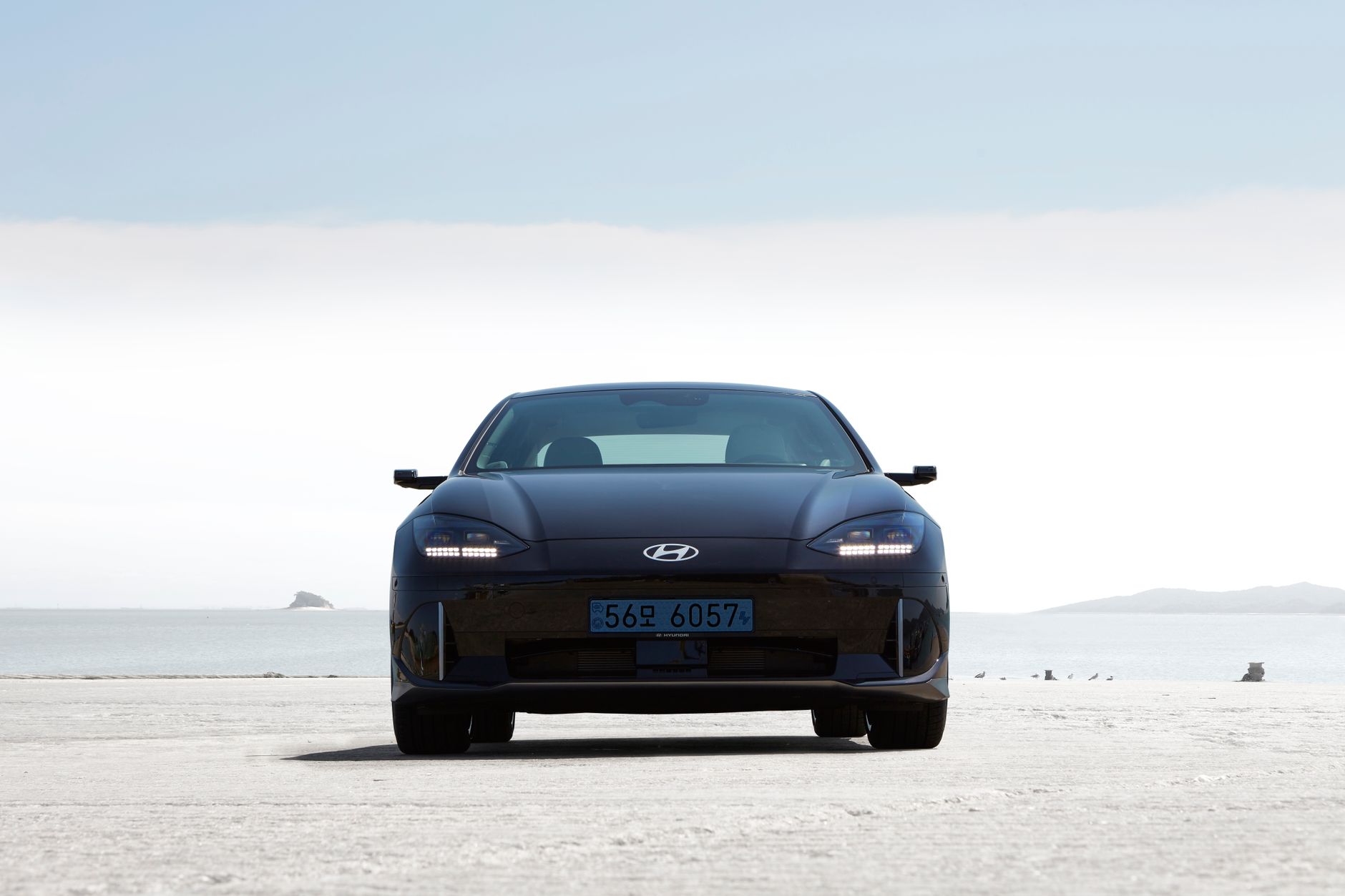
From an editorial perspective, Hyundai’s current predicament in the United States is deeply emblematic of the dual-edged nature of rapid brand elevation. Over the past decade, Hyundai has masterfully shed its former reputation as a purveyor of disposable, budget-tier economy cars, transforming itself into a genuine technological and design powerhouse. This evolution is vividly illustrated by the recent launch of the Hyundai Ioniq 6 N. As critics and road testers have recently noted, the electrification of Hyundai’s N performance division has wildly exceeded industry expectations, successfully positioning the Ioniq 6 N as a legitimate, high-performance challenger to elite European electric vehicles like the Porsche Taycan. This is a remarkable feat of engineering and corporate repositioning. Yet, the very ambition that fuels the success of the Ioniq 6 N is arguably contributing to the blind spots now evident in their mass-market offerings.
In the desperate race to pack family haulers like the Hyundai Tucson and Palisade with showroom-dazzling technology, automakers are increasingly automating systems that previously relied on simple, foolproof manual operation. The power-folding seat is a prime example of this insidious "feature bloat." While undoubtedly convenient for a parent loading groceries in a rainy parking lot, the introduction of high-torque electric motors into the passenger cabin—without adequately calibrated resistance sensors to prevent the crushing of limbs or occupants—represents a catastrophic failure of basic safety imagination. The resulting tragedy, and the ensuing industry-wide panic, suggests that modern automakers are aggressively prioritizing the marketing appeal of automation over the rigorous, edge-case testing required to deploy it safely.
For the South Asian diaspora in the United States, this dynamic presents a very particular dilemma. Indian-American professionals represent a vital and highly lucrative demographic for brands like Hyundai, Toyota, and Honda. This cohort traditionally indexes highly on pragmatic, value-driven purchasing decisions, heavily favoring vehicles that strike a perfect balance between premium features, long-term reliability, and impeccable safety ratings. The Hyundai Tucson and Palisade have become ubiquitous sights in suburban driveways across major diaspora hubs in New Jersey, Texas, and California precisely because they offer an unparalleled feature-to-price ratio. However, a highly publicized safety defect resulting in a fatality fundamentally alters that carefully constructed value proposition. When federal regulators are forced to intervene in how passenger seats operate, the highly informed, safety-conscious diaspora buyer may rapidly begin to view Hyundai's relentless innovation not as a premium benefit, but as an unacceptable household liability.
Furthermore, this cross-brand incident exposes the inherent fragility of modern "supplier monoculture." The swift, reactionary recall of the Cadillac Vistiq indicates that global automakers are increasingly relying on a consolidated, shrinking network of suppliers for complex mechatronic sub-assemblies. When a fundamental design flaw is discovered, it doesn't just affect one localized model assembly line; it instantly infects the broader competitive ecosystem. Hyundai is currently the brand left holding the public relations explosive due to the initial tragedy, but the underlying disease of unverified, hastily implemented automation is a systemic, industry-wide affliction.
What to watch next
For observers of automotive policy, consumer safety, and market economics, the fallout from this mechatronic defect will unfold across several specific arenas in the coming months. Readers and consumers should closely monitor the following developments:
- Regulatory intervention and standardization: Watch for the National Highway Traffic Safety Administration (NHTSA) to issue new, stringent guidelines regarding force-limitation and pinch-sensor requirements for all motorized interior components. This could potentially mandate wildly expensive hardware retrofits across multiple automotive brands, altering how interiors are designed for the next decade.
- Financial impact on upcoming earnings calls: Hyundai’s third-quarter earnings reports will inevitably reveal the true financial cost of this engineering failure. The expense of engineering a physical remedy for hundreds of thousands of impacted SUV models, combined with potential class-action legal liabilities, could significantly dent the profit margins generated by their recent summer sales surge.
- The software-defined vehicle solution: Monitor whether automakers attempt to fix this deeply physical hardware issue via Over-The-Air (OTA) software updates—perhaps by digitally modifying the seat motor's torque limits—or if a costly physical hardware replacement is ultimately mandated by skeptical regulators.
- Expansion of the electric N brand: On the performance and marketing front, track how Hyundai leverages the immense halo effect of vehicles like the Ioniq 5 N and Ioniq 6 N to distract from these mass-market safety woes. The company will likely attempt to fiercely anchor their public image in high-tech electrification rather than mechanical recalls.
For global readers
For our international readership, particularly those monitoring the rapidly evolving automotive sector in India, the US-based scrutiny of Hyundai’s safety systems offers a vital preview of coming regulatory battles. Hyundai Motor India Limited commands a massive, structural share of the Indian domestic market, with models like the localized Hyundai Tucson and the immensely popular Hyundai Creta serving as aspirational benchmarks for the nation's growing middle class. As the Indian government aggressively rolls out the Bharat New Car Assessment Programme (Bharat NCAP) to elevate domestic vehicle safety standards, the specific features that define "luxury" in the Indian market are rapidly mimicking those found in the US. The fatal power-folding seat incident in the American market serves as a stark, urgent warning for Indian regulators: as domestic and localized manufacturers rush to introduce automated conveniences to compete with global luxury brands, the homologation process must include rigorous, uncompromising scrutiny of mechatronic safety, not just traditional crashworthiness. The assumption that imported premium features are inherently safe simply because they are expensive is a dangerous fallacy.
The bottom line
Hyundai’s current position in the US market is a masterclass in the profound complexities of modern automotive manufacturing. While the company continues to conquer domestic sales charts and completely redefine electric vehicle performance boundaries, its tragic oversight in basic cabin safety threatens to erode the hard-won consumer trust it has spent decades meticulously building. For the safety-conscious family buyer, the overarching lesson of this recall is abundantly clear: as cars become rolling computers, the most dangerous part of a modern, technology-laden SUV may no longer be the engine or the high-voltage battery, but the motorized conveniences we take for granted inside the passenger cabin.
Key Takeaways
- Hyundai and Kia posted strong US sales in June, outpacing domestic rivals like Ford and General Motors.
- A fatal power-folding seat incident in the Hyundai Palisade has triggered widespread safety concerns across the auto industry.
- General Motors has preemptively recalled the Cadillac Vistiq to disable a similar third-row folding mechanism supplied by shared manufacturers.
- Despite mass-market safety woes, Hyundai’s EV division is thriving, with the Ioniq 6 N challenging elite European performance cars.
- The ongoing crisis highlights the regulatory and safety risks of "feature bloat" in modern SUVs targeting diaspora and middle-class families.
Frequently asked questions
Why is the Cadillac Vistiq being recalled?
General Motors has recalled the Cadillac Vistiq after internal testing revealed that its power-folding third-row seats lacked proper safety mechanisms, a discovery spurred by a fatal incident involving similar seats in a Hyundai Palisade.
How is Hyundai performing in the US auto market?
Hyundai is performing exceptionally well commercially. In recent June sales reports, Hyundai and Kia saw notable volume increases, outpacing traditional American competitors like Ford and General Motors.
What does this mean for automotive safety regulations?
The NHTSA and global regulatory bodies like India's Bharat NCAP may introduce stricter mandates for mechatronic interior components, requiring calibrated pinch sensors and force-limiters on all motorized passenger features.
- 01Car and Driver: Cadillac Vistiqs Recalled for Possibly Dangerous Power-Folding Third Row
- 02Jalopnik: Cadillac Recalls Every Vistiq After Internal Investigation Spurred By Deadly Hyundai Palisade Power-Folding Seat Incident Reveals Similar Fault
- 03Road & Track: Tested: 2027 Mercedes-Maybach S580 Combines Ultra-Luxury with Surprising Value
- 04Autocar: Hyundai Ioniq 6 N road test: The ultimate electric driver's car?
- 05Motor1: Winners And Losers From June Auto Sales
This editorial article was written by US News Desk's editorial desk using current reporting from the publishers above. All facts were grounded against these sources.