The Twilight of the Altima: What Nissan’s Pivot Means for the Middle Class
As Nissan navigates global EV tariffs and an ultra-luxury market divide, the fate of the dependable US sedan reflects a broader economic squeeze.
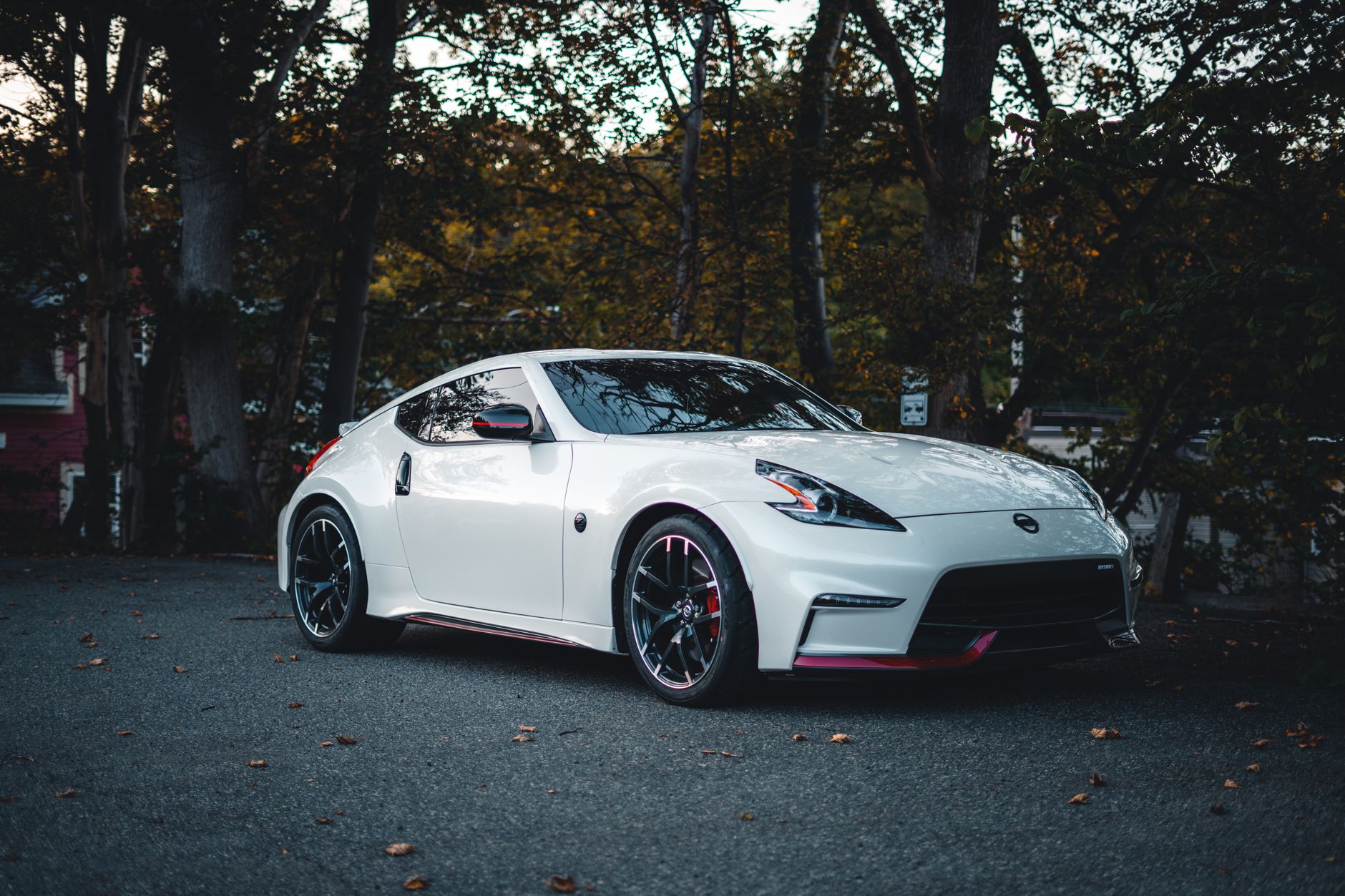
As Nissan navigates global EV tariffs and an ultra-luxury market divide, the fate of the dependable US sedan reflects a broader economic squeeze.
The story so far
For more than three decades, the Nissan Altima has served as a cornerstone of middle-class mobility in the United States. Manufactured heavily in Smyrna, Tennessee, the mid-size sedan built its reputation by offering a reliable, accessible alternative to the Honda Accord and Toyota Camry. However, recent developments across the global automotive sector highlight a brand—and an entire industry—being pulled in violently opposing directions. While the Altima continues to anchor Nissan’s traditional internal combustion engine (ICE) lineup in North America, the automaker’s transition toward an electrified future is facing severe geopolitical headwinds abroad.
This tension was cast into stark relief in early July. According to reporting by Autocar, the UK's Society of Motor Manufacturers and Traders (SMMT) has warned of a "critical threat" to the electric vehicle manufacturing industry. A looming tariff cliff edge, driven by the European Union’s strict rules of origin, threatens to severely undermine the competitiveness of the Nissan Leaf. These trade regulations dictate that a significant percentage of an EV's battery components must be sourced locally; failing to meet these thresholds will trigger punishing tariffs. The SMMT noted that this cliff edge arrives just as the UK industry sits on the cusp of producing significant EV volumes, threatening not just mass-market vehicles like the Leaf, but also high-end models like the Range Rover Electric and the upcoming Bentley Torcal.
For Nissan, this presents a profound capital allocation dilemma. The company relies on the steady, reliable cash flow generated by high-volume ICE vehicles like the Altima in the US to fund the staggering research, development, and supply chain investments required to build localized battery plants in Europe and Asia. If the EV transition stalls abroad due to protectionist trade policies, the burden on legacy models like the Altima to sustain the company's bottom line becomes exponentially heavier.
Why this matters
The survival of the mass-market sedan is no longer just a question of consumer preference; it is a barometer for broader economic inequality within the global auto industry. We are witnessing the rapid bifurcation of the market into two distinct extremes: ultra-luxury survivalists and mass-market transition casualties.
Consider the top end of the spectrum. As Road & Track reported on July 6, the newly tested 2027 Mercedes-Maybach S580 proves that the ultra-luxury ICE market is not only surviving, but thriving. The review noted that the vehicle's new flat-plane V-8 is "good enough to justify selection over the range-topping V-12 version," presenting it as good news for "tight-fisted billionaires" looking for surprising value in the upper echelons of automotive engineering. This illustrates a stark reality: automakers are more than willing to continue investing in and refining internal combustion engines when the profit margins are vast enough to absorb regulatory fines and development costs.
Conversely, the traditional middle-class segment, long dominated by $28,000 sedans like the Nissan Altima, is being ruthlessly squeezed. These vehicles operate on razor-thin margins. They cannot effortlessly absorb the costs of complex hybrid powertrains or the localized supply chain mandates required to pivot to full electrification. If a 10 percent tariff were to hit a mass-market EV due to rules of origin disputes, it would wipe out the vehicle's entire profit margin, pushing automakers to either abandon the segment entirely or cling desperately to aging ICE platforms to stay afloat.
Editorial analysis
The automotive industry is currently navigating a platform shift—a transition from one foundational technology to another—that is fraught with existential risk. We can look to the broader technology sector to see how botched transitions can hollow out legacy brands. Writing for The Verge on July 5, Andrew Webster highlighted the current "bleak state" of the video game industry, characterizing the current era of Xbox as a "disaster." While the mediums differ, this serves as a potent cautionary tale for legacy automakers. When a legacy company mismanages a transition—whether from physical hardware to cloud ecosystems, or from internal combustion to battery electrics—the foundational customer base is usually the first casualty. Nissan cannot afford to alienate its core Altima buyers while it struggles to untangle the European supply chain for the Leaf.
Adding to this complexity is the enduring cultural weight of Nissan's heritage, which is inextricably linked to internal combustion. Culturally, the brand holds immense nostalgic cachet, particularly among enthusiasts who revere its high-performance past. Mashable noted on July 6 that the Lego Technic 2 Fast 2 Furious Nissan Skyline GT-R (R34) hit its lowest-ever price on Amazon at $111.99—a 20% drop from its $139.99 retail price. The fact that a plastic model of a decades-old gas-guzzling sports car remains a highly sought-after cultural artifact underscores a crucial point: consumer emotional attachment to ICE heritage remains staggeringly high. The Skyline GT-R represents the aspirational soul of Nissan; the Altima represents its practical, bill-paying reality; and the EV lineup represents an uncertain, heavily regulated future.
It is tempting for policymakers and environmental advocates to view the internal combustion engine as a technology on the brink of immediate extinction. Yet, as with many apocalyptic predictions, the reality is far more nuanced and extended. In a somewhat poetic parallel, Wired recently reported on a new astrophysics study suggesting that when our sun becomes unstable in about 5 billion years, the Earth might actually avoid being engulfed by its fiery demise. The legacy ICE market, anchored by stalwarts like the Altima, appears to be on a similarly extended, stubborn timeline. Reports of its immediate death have been greatly exaggerated. Due to EV infrastructure bottlenecks, high interest rates, and the sheer affordability of mid-size sedans, the Altima will likely survive in one form or another for years to come, slowly evolving rather than facing a sudden, fiery end.
What to watch next
For industry observers and consumers alike, the next 24 to 36 months will dictate the long-term viability of the traditional sedan. Keep a close eye on the following developments:
- Rules of origin deadlines: The upcoming negotiations between the UK and the EU regarding battery component sourcing will serve as a bellwether. If tariffs are enforced on the Nissan Leaf and Range Rover Electric, expect a massive ripple effect in how automakers price and produce EVs globally, including in the US market.
- Nissan's North American production strategy: Watch for any capital expenditure shifts at the Smyrna, Tennessee plant. If Nissan scales back investment in the Altima's next generational redesign, it will signal a definitive, albeit risky, point of no return for their ICE operations.
- The introduction of e-Power hybrids: Nissan has successfully deployed its e-Power hybrid technology in global markets. Tracking whether they bring this specific technology to the US Altima lineup will indicate how they plan to bridge the affordability gap between traditional gas engines and full EVs.
For global readers
For the South Asian diaspora in the United States, the Nissan Altima carries a specific sociological weight. For decades, it has represented a gateway to middle-class mobility—often serving as the first brand-new car purchased by first-generation immigrants establishing their footing in America. This dynamic contrasts sharply with the current automotive evolution in India. In the subcontinent, the market largely bypassed the era of the sprawling mid-size family sedan, jumping directly from ultra-compact hatchbacks like the Maruti Suzuki Swift to compact SUVs like the Tata Nexon. Yet, the underlying economic tension remains identical across both borders. Just as Indian automakers are currently battling to produce affordable EVs without relying entirely on Chinese battery supply chains, US-based automakers must figure out how to transition their working-class customer base to electric power without pricing them entirely out of the showroom.
The bottom line
The Nissan Altima is more than just a ubiquitous American commuter car; it is an economic shock absorber for a company navigating immense global turbulence. While ultra-wealthy buyers celebrate the engineering marvels of new V-8 luxury sedans and global regulators draw aggressive tariff lines around EV supply chains, the humble mid-size sedan stands as the crucial, fragile bridge between a storied automotive past and an incredibly uncertain electric future.
Key Takeaways
- UK and EU 'rules of origin' tariffs pose a critical threat to Nissan's EV operations, complicating its global transition away from legacy models.
- The auto market is heavily bifurcated, with ultra-luxury ICE vehicles thriving while mass-market sedans face extreme pricing and regulatory pressures.
- Cultural attachment to Nissan's internal combustion heritage, embodied by models like the Skyline GT-R, remains a powerful force despite industry EV pivots.
- The internal combustion engine faces a long, slow twilight rather than a sudden death, requiring automakers to carefully manage their platform shifts to avoid alienating core buyers.
- For the global South Asian diaspora, cars like the Altima represent vital middle-class mobility that is currently threatened by the high costs of electrification.
Frequently asked questions
What are rules of origin in the auto industry?
Rules of origin are trade regulations that dictate what percentage of a vehicle's components (especially batteries) must be sourced locally. If automakers like Nissan fail to meet these thresholds in the UK and EU, their EVs face significant import and export tariffs.
Is Nissan discontinuing the Altima in the US?
While rumors continually circulate about the demise of traditional mid-size sedans, the Altima currently remains a vital part of Nissan's US lineup, providing the steady cash flow needed to fund the company's broader transition to electric vehicles.
How does the ultra-luxury car market compare to the mass market right now?
The ultra-luxury market is highly resilient, with automakers still profitably producing complex internal combustion engines (like V-8s and V-12s). In contrast, mass-market vehicles operate on thin margins and are struggling to absorb the high costs of transitioning to battery-electric technology.
- 01Road & Track: Tested: 2027 Mercedes-Maybach S580 Combines Ultra-Luxury with Surprising Value
- 02Autocar: UK warns of critical threat for EVs as tariff cliff edge looms
- 03The Verge: Xbox is a disaster
- 04Wired: Good News! Turns Out the Earth Will Never Be Swallowed by the Sun
- 05Mashable: The Lego Technic 2 Fast 2 Furious Nissan Skyline GT-R is down to its best-ever price — save over $20 at Amazon
This editorial article was written by US News Desk's editorial desk using current reporting from the publishers above. All facts were grounded against these sources.